Quick Answer: Rural King carries major chicken feed brands including Purina, Dumor, Nutrena, and Southern States, plus private-label options — available in pellet, crumble, and mash forms. The right feed depends on your flock’s age and purpose: chick starter for brooding, grower feed for pullets, and layer feed at 18 weeks. Standard hens eat about 4 oz per day, scratch grains are a treat only, and medicated starter is recommended for unvaccinated chicks.
Whether you’re picking up your first bag of chick starter or restocking layer pellets for a mature flock, shopping for chicken feed at Rural King is straightforward once you know what to look for. The challenge isn’t finding feed — it’s choosing the right one. This guide walks you through every brand, life stage, and supplement on the shelf so you leave with exactly what your birds need.
What Chicken Feed Brands Does Rural King Carry?
Purina Poultry Feeds
Purina is one of the most trusted names in poultry nutrition, backed by decades of feeding research. Their lineup covers every life stage: Start & Grow for chicks, Flock Raiser for mixed flocks, and Layena for laying hens. If you want a reliable, widely available option with consistent formulas, Purina is a safe bet.
Dumor Feeds: Rural King’s House Brand
Dumor is Rural King’s in-house brand and typically the most budget-friendly option on the shelf. Quality is solid for a house brand — it meets standard nutritional requirements for each life stage — and many backyard keepers use it as their primary feed without issue. If you’re feeding a larger flock and watching costs, Dumor is worth a close look.
Nutrena and Southern States Options
Nutrena’s NatureWise line is well-regarded, particularly among keepers who prefer non-GMO or natural-ingredient formulas. Southern States feeds are common in the Southeast and offer competitive pricing at a quality level comparable to Purina. Availability of both brands varies by Rural King location, so call ahead if you have a specific preference.
Private-Label and Budget Feed Picks
Beyond Dumor, Rural King occasionally stocks additional private-label or regional brands at lower price points. These are fine for healthy adult birds on a tight budget, but read the tag carefully — not all budget feeds hit the protein and calcium targets your flock actually needs.
Pellets vs. Crumbles vs. Mash: Which Form Is Best?
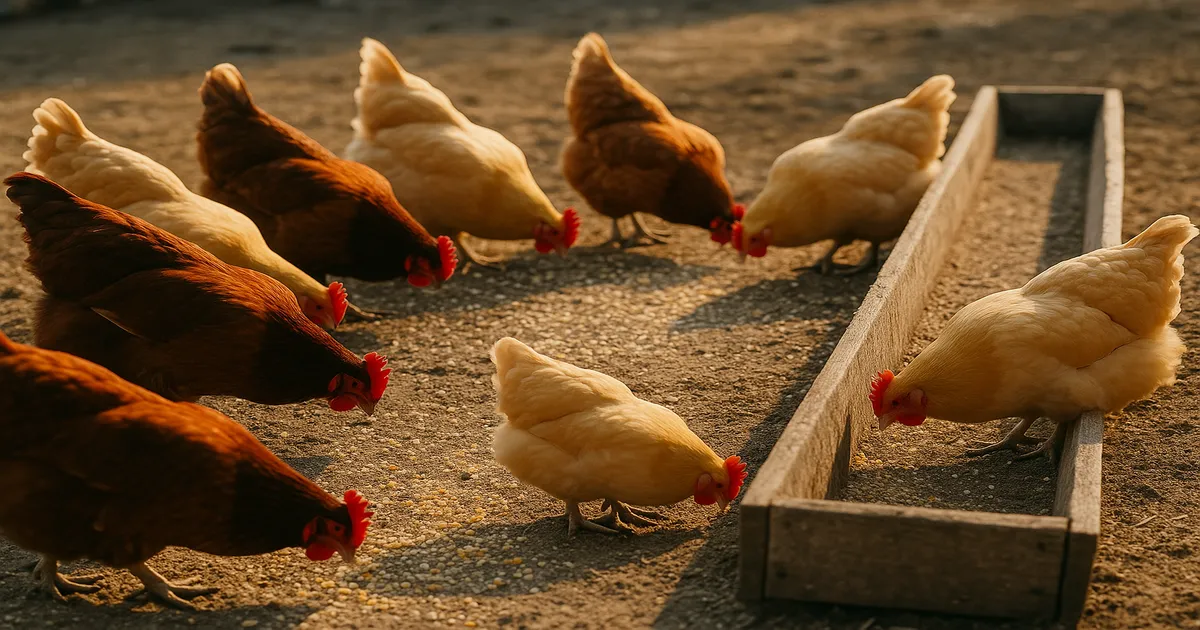
- Pellets produce the least waste and are ideal for adult hens — the most popular form for backyard flocks
- Crumbles are easier for younger or smaller birds to eat and work well for chicks transitioning off starter
- Mash is the most natural, unprocessed form but tends to be dusty; hens can flick a lot of it out of the feeder
For most backyard keepers, pellets are the practical winner. They stay in the feeder, birds can’t sort through them, and you’ll spend less money on wasted feed.
Choosing the Right Chicken Feed at Rural King for Every Life Stage
Chick Starter (Hatch to 8 Weeks): Medicated vs. Non-Medicated
Chick starter is a high-protein formula — typically 18–22% crude protein — designed to fuel rapid early growth. Rural King stocks both medicated and non-medicated versions. Medicated starter contains amprolium, which prevents coccidiosis, a protozoan disease that kills more young chicks than almost anything else. If your chicks weren’t vaccinated for coccidiosis at the hatchery, use medicated starter.
Non-medicated starter is appropriate for vaccinated chicks or for keepers raising chicks on pasture where gradual exposure builds natural immunity. When in doubt, ask whether your Rural King chicks came vaccinated — staff can usually tell you.
Grower and Developer Feed (8–18 Weeks): Why Calcium Levels Matter
Once pullets reach 8 weeks, switch to a grower or developer feed with 16–18% protein. The critical difference from layer feed is calcium — grower feed contains very little, and that’s intentional. Young pullets cannot process the 3.5–4.5% calcium in layer feed, and feeding it too early can damage their kidneys. Keep them on grower until 18 weeks or until they lay their first egg, whichever comes first.
Layer Feed (18 Weeks and Beyond)
Layer feed is formulated with 15–18% protein and 3.5–4.5% calcium to support both egg production and shell quality. This is what the majority of backyard flock owners buy most often, and Rural King keeps it well-stocked in all three physical forms.
Meat Bird Feed for Cornish Cross Chickens
Cornish Cross meat birds have completely different nutritional needs. They require a high-energy broiler feed with 22–24% protein to support their rapid growth rate — reaching 6–8 lbs in just 6–8 weeks. Feed it free-choice from hatch to processing. Don’t substitute layer feed; the protein simply isn’t high enough to hit their growth targets.
How Much Feed Do Chickens Eat Per Day?
A standard laying hen eats roughly 4 oz (¼ lb) per day. For practical planning:
- 6 hens = 1.5 lbs of feed per day, or about 10.5 lbs per week
- A 50 lb bag lasts a flock of 6 roughly 4–5 weeks
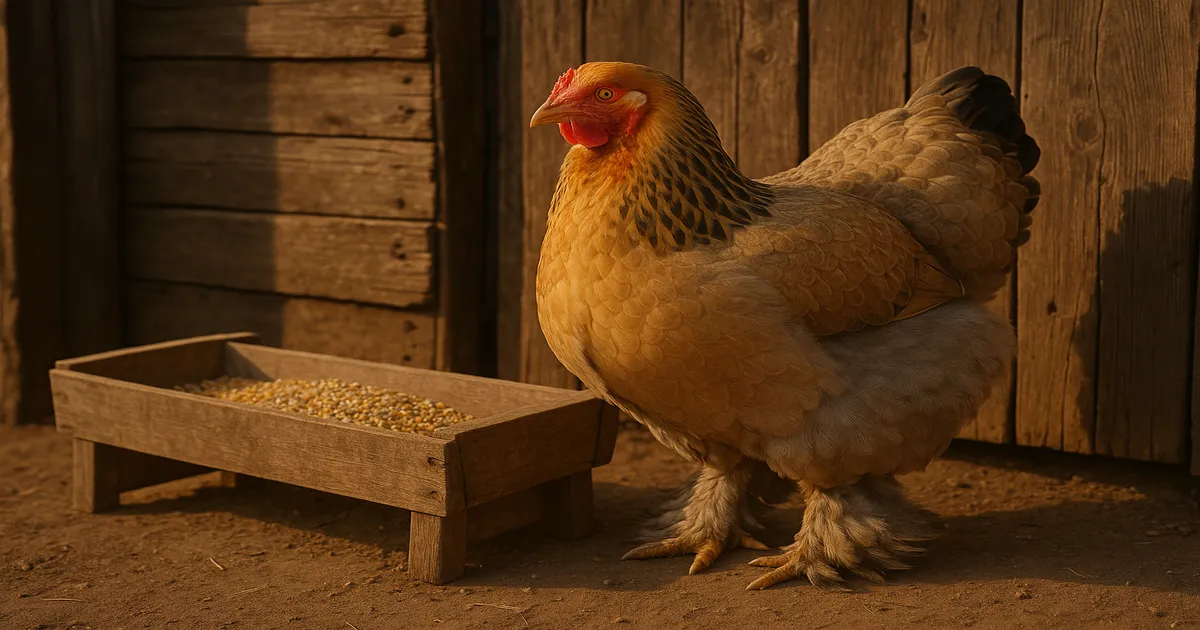
Heavy heritage breeds like Buff Orpington eat a bit more; lean Mediterranean breeds like Leghorn eat slightly less per bird but produce more eggs per pound of feed consumed.
Scratch Grains, Treats, and Supplements at Rural King
What Are Scratch Grains and How Much Should You Feed?
Scratch grains — a mix of cracked corn, wheat, and oats — are only 8–10% protein. That’s not nearly enough to sustain a laying hen, which is why scratch is a treat, not a diet. Cap it at 10% of your flock’s total daily intake. The one real benefit: scratch generates body heat during digestion, making it a useful late-afternoon winter treat when temperatures drop.
Oyster Shell: The Essential Calcium Supplement for Layers
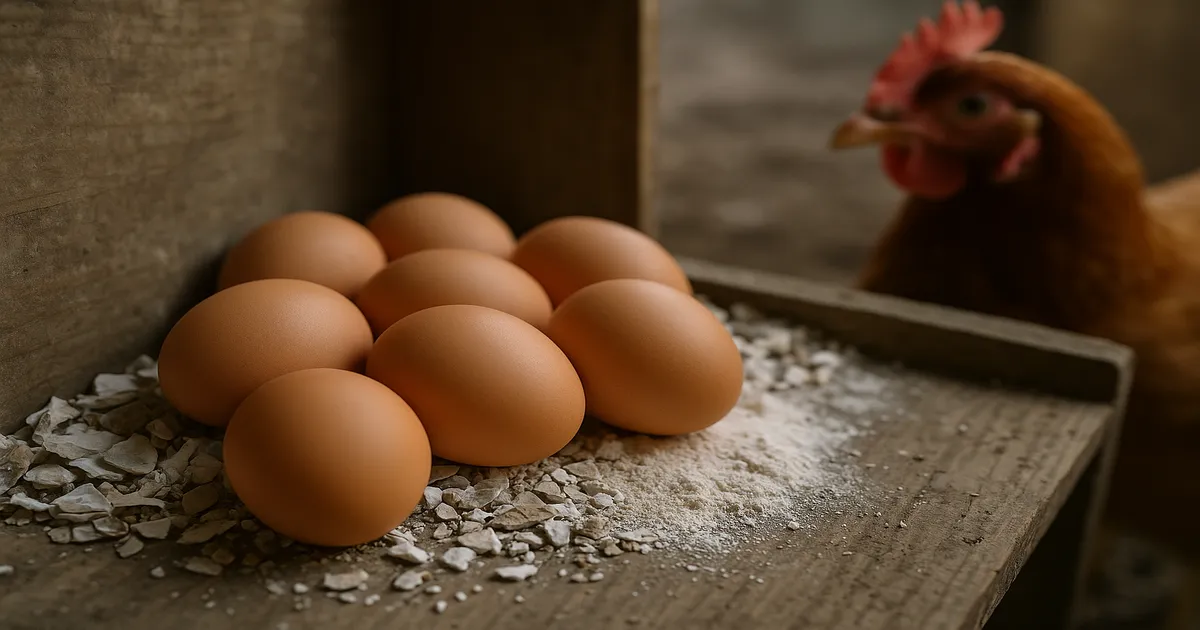
Each egg requires roughly 2 grams of calcium to form a proper shell. If hens aren’t getting enough, they’ll pull calcium from their own bones — a condition called cage layer fatigue that leads to osteoporosis and broken legs over time. Offer oyster shell free-choice in a separate container alongside their feed. Hens self-regulate their intake based on need, so don’t mix it directly into the feed.
Chicken Grit: Why Confined Birds Can’t Go Without It
Chickens have no teeth. They grind food in the gizzard using small stones called grit. Hens with access to dirt and pasture pick up grit naturally, but confined birds need it provided separately. Use fine chick grit for birds under 8 weeks and coarser granite grit for adults. Like oyster shell, offer it free-choice in its own small container.
Safe Treats and Foods to Avoid
Good treat options include dried mealworms (roughly 53% protein — excellent during molt), leafy greens like kale and lettuce, watermelon in summer heat, and cooked eggs, berries, pumpkin, or squash.
Never feed your flock avocado (especially the skin and pit), chocolate, green potato skins or raw potatoes (which contain solanine), heavily salted or processed foods, or anything moldy. Mycotoxins from mold can be fatal.
Feeder Types, Storage, and Rodent Control
Choosing the Right Feeder
A basic hanging tube feeder is affordable and works well when positioned correctly — set the feeder lip at the back height of your shortest hen. Too low and birds fling feed out; too high and smaller birds can’t reach. This single adjustment can cut waste noticeably.
For better rodent and wild bird control, a treadle feeder is the gold standard. It only opens when a hen steps on the platform, keeping pests out of your feed supply entirely. In a rural area — which describes most Rural King shoppers — the investment pays for itself quickly in saved feed.
Storing Feed Safely
Always store feed in metal trash cans with locking lids — rodents chew through plastic bags and even plastic bins with ease. Keep feed dry and off the ground. Moisture causes mold, and moldy feed produces mycotoxins that will sicken or kill your flock. Don’t buy more than you can use in 4–6 weeks.
Beyond storage, clean up spilled feed daily and avoid leaving feeders out overnight if rodent pressure is high in your area. Rodents contaminate feed with droppings, attract predators, and can introduce disease.
How Feed Affects Egg Production and Flock Health
Protein, Calcium, and Shell Quality
Thin, soft, or shell-less eggs are almost always a nutrition problem. Inadequate calcium is the most common culprit — make sure oyster shell is always available free-choice. Low protein during peak production can also reduce lay rate and shell quality. If you’re seeing problems, check your feed’s protein percentage first.
Feeding Through the Annual Molt
Most hens molt in fall, dropping feathers and halting egg production for 8–16 weeks. During this period, protein requirements spike because feathers are roughly 85% protein. Boost their diet with dried mealworms or switch temporarily to a higher-protein feed — Purina Flock Raiser at 20% protein works well. Don’t push production with supplemental lighting during molt; let them rest and rebuild.
Winter Feeding Tips
Hens need 14–16 hours of light per day to maintain peak production. When natural daylight drops below that in fall and winter, egg production can fall 50–90% in unsupplemented flocks. A simple timer and a 40–60 watt equivalent LED bulb in the coop, set to extend light in the early morning hours, keeps production steady. A handful of scratch grains per bird in the late afternoon also helps generate body heat overnight.
Signs Your Chickens Aren’t Getting the Right Nutrition
Watch for these red flags:
- Soft or shell-less eggs
- Pale or watery yolks
- Significant feather loss outside of molt season
- Lethargy, hunched posture, or reduced activity
- A noticeable drop in lay rate without a seasonal explanation
Any of these warrants a close look at your feed’s protein and calcium content, your supplementation routine, and whether scratch or treats are crowding out complete feed.
Common Health Issues Linked to Feed and Nutrition
Coccidiosis in Chicks
Coccidiosis is caused by Eimeria protozoa and is most dangerous in chicks 3–6 weeks old. Symptoms include bloody or watery droppings, lethargy, and failure to thrive. Medicated starter with amprolium is your first line of prevention. If an outbreak occurs despite prevention, consult your vet — treatment with Corid (amprolium) is commonly used, but dosing should follow current product label instructions or veterinary guidance.
Respiratory Illness and Feeder Hygiene
Dirty feeders and waterers are a breeding ground for bacteria and mold. Disinfect them weekly with a dilute bleach solution (1 part bleach to 9 parts water), rinse thoroughly, and let dry before refilling. Respiratory illness in chickens spreads fast and is often difficult to treat — prevention through hygiene is far easier.
Biosecurity When Bringing Home Chicks or Feed
Quarantine any new chicks from Rural King for 30 days before introducing them to an existing flock. Confirm whether chicks were vaccinated for Marek’s disease at hatch — most commercial hatcheries vaccinate, but it’s worth asking. Store new feed immediately in sealed metal containers to prevent contamination.
Breeds Commonly Raised by Rural King Shoppers
Rural King sells live chicks seasonally — typically February through May — and the breeds on offer reflect what sells well in rural Midwest and Southeast markets.
Top egg layers:
- ISA Brown — 6–7 brown eggs per week (300–350/year); the most productive backyard layer you can buy
- Leghorn — 5–7 white eggs per week (280–320/year); the most feed-efficient breed per dozen eggs produced
- Black Australorp — 5–6 light-brown eggs per week; holds the world record of 364 eggs in 365 days (Australia, 1922–23); calm temperament and excellent cold hardiness
Dual-purpose breeds popular with homesteaders:
- Rhode Island Red — 5–6 brown eggs per week (250–300/year); tough, reliable, handles cold well
- Barred Plymouth Rock — 4–5 brown eggs per week; friendly temperament, great for beginners, cold-hardy
- Buff Orpington — 3–4 light-brown eggs per week; docile, cold-hardy, and a decent meat bird when production slows
Meat birds: The Cornish Cross reaches 6–8 lbs in 6–8 weeks on a 22–24% protein broiler diet. No other breed comes close to that efficiency. Keep high-protein feed in front of them at all times — growth stalls fast without it.
Frequently Asked Questions About Chicken Feed at Rural King
What brands of chicken feed does Rural King sell?
Rural King typically stocks Purina, Dumor (their house brand), Nutrena, and Southern States, along with occasional private-label or regional brands. Purina and Dumor are the most consistently stocked across locations. Availability of other brands varies by store, so call ahead if you’re looking for something specific.
Is Dumor chicken feed a good choice for backyard flocks?
Yes. Dumor is a solid, budget-friendly option that meets standard nutritional requirements for each life stage. Many backyard flock owners use it as their primary feed without issue. Just check the protein and calcium percentages on the bag to confirm you’re buying the right formula for your flock’s age.
What is the difference between medicated and non-medicated chick starter?
Medicated chick starter contains amprolium, which prevents coccidiosis — a potentially fatal protozoan disease in young chicks. Non-medicated starter does not include this additive. Use medicated starter if your chicks were not vaccinated for coccidiosis at the hatchery; use non-medicated if they were vaccinated or if you’re raising chicks on pasture where gradual immunity builds naturally.
How much chicken feed do I need per week for a flock of 6 hens?
A standard laying hen eats roughly 4 oz (¼ lb) of feed per day. A flock of 6 hens will go through about 1.5 lbs per day and approximately 10.5 lbs per week. A 50 lb bag will last your flock roughly 4–5 weeks, depending on breed size and how much they free-range.
Can I feed chickens scratch grains as their main diet?
No. Scratch grains are only 8–10% protein — far below the 15–18% that laying hens require. Feeding scratch as a primary diet leads to poor egg production, nutritional deficiencies, and serious health problems over time. Use scratch as a treat only, capped at no more than 10% of your flock’s total daily intake.