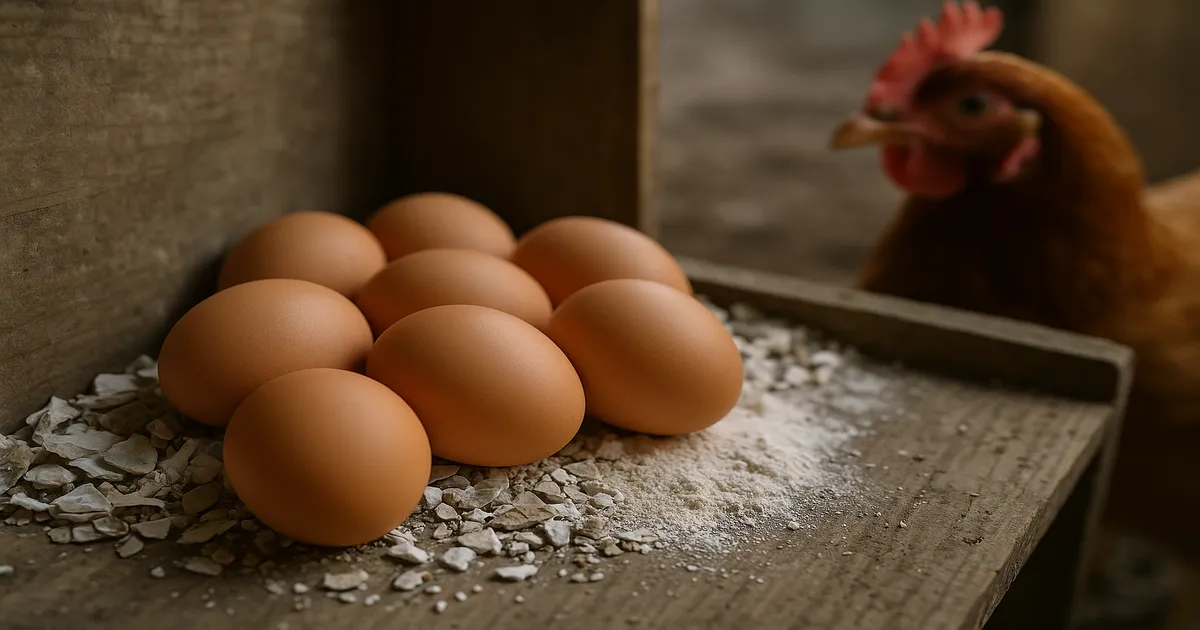
Quick Answer: Yes, most actively laying hens benefit from free-choice powdered calcium or oyster shell — each eggshell requires roughly 2 grams of calcium, and layer feed alone often can’t keep up with peak production demands. Roosters, chicks under 16–18 weeks, and non-laying pullets should never have access to calcium supplements, as excess calcium causes irreversible kidney damage in these birds.
If you’ve ever cracked open an egg and found the shell thin, rubbery, or missing altogether, you’ve already seen what calcium deficiency looks like. The question of whether to feed your chickens powdered calcium comes up constantly in backyard flocks — and for laying hens, the answer is almost always yes. But the details matter, especially if you keep a mixed flock.
Should You Feed Chickens Powdered Calcium? The Core Answer
For Laying Hens: Yes
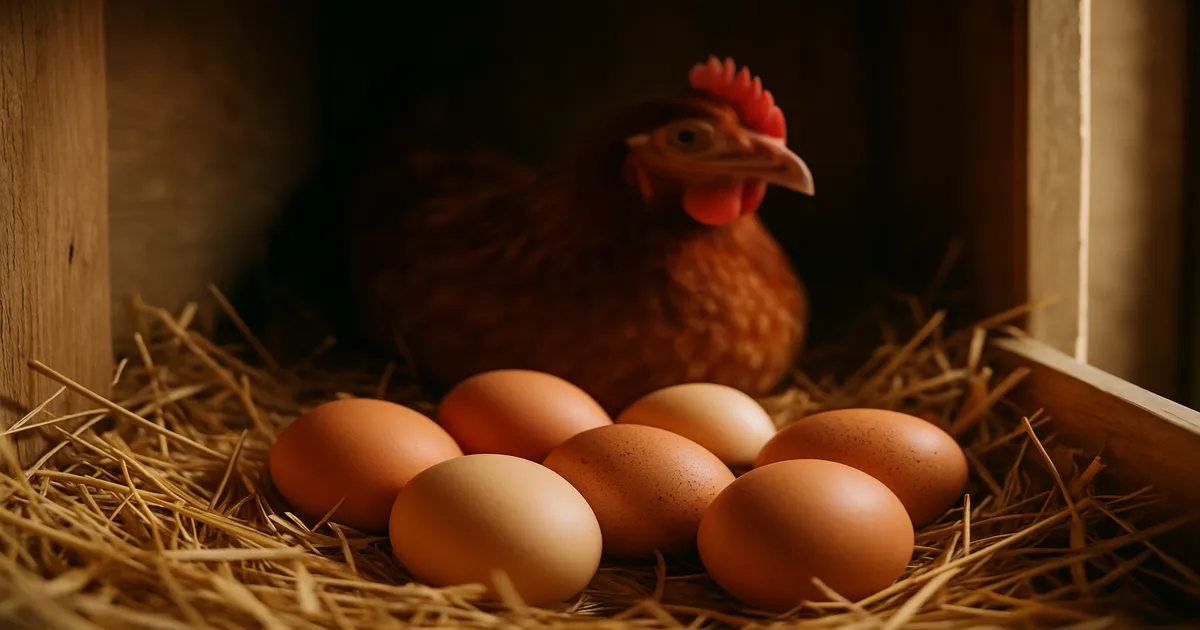
Each eggshell deposits roughly 2.0–2.2 grams of calcium. A hen laying five or six eggs per week puts 12–13 grams of calcium into shells every seven days — yet her entire skeleton stores only 20–25 grams total. When dietary calcium falls short, she doesn’t stop making eggs. She pulls calcium from her own bones instead, a process called medullary bone resorption, and that leads quickly to osteoporosis, egg binding, and worse.
Standard layer feed contains 3.5–4.5% calcium, which covers average needs. It often falls short, though, for high-production hens, birds under heat stress, or older hens whose absorption efficiency has declined. Free-choice powdered calcium or coarse oyster shell fills that gap safely.
Who Should NOT Get Supplemental Calcium
This part is non-negotiable. Roosters, chicks under 16–18 weeks, and non-laying pullets should not have access to calcium supplements. Their kidneys cannot process the excess, leading to visceral gout and permanent kidney damage. In a mixed flock, keeping calcium away from the wrong birds is just as important as offering it to the right ones.
What Forms of Powdered Calcium Are Available?
“Powdered calcium” is a broad term. In backyard chicken keeping, it usually means calcium carbonate (CaCO₃) delivered in one of several forms.
| Form | Calcium Content | Key Notes |
|---|---|---|
| Oyster shell (coarse) | ~38% | Most popular; slow-dissolving; best free-choice option |
| Oyster shell (fine/powdered) | ~38% | Faster absorption; can be mixed into feed |
| Limestone flour (aragonite) | ~36–38% | Economical; common in commercial feeds |
| Dried crushed eggshell | ~34–40% | Free DIY option; must be fully dried to prevent egg-eating behavior |
| Calcium carbonate powder | ~40% | Pharmaceutical grade; useful for emergency dosing |
Coarse oyster shell is the go-to for most backyard flocks. It’s widely available, affordable, and hens readily accept it. A 50-pound bag of Manna Pro Crushed Oyster Shell will last a small flock several months.
Why Particle Size Matters
Coarse oyster shell particles (2–4 mm) dissolve slowly in the gizzard, releasing calcium steadily over 12–20 hours. That sustained release matters because eggshell formation happens primarily overnight. Fine powders absorb faster but don’t provide that extended window — so for overnight shell formation, coarse wins.
One important clarification: oyster shell is soluble and dissolves during digestion. It is not a substitute for insoluble grit, which hens need to grind their feed. Always keep these in separate feeders.
Signs Your Hens Need More Calcium
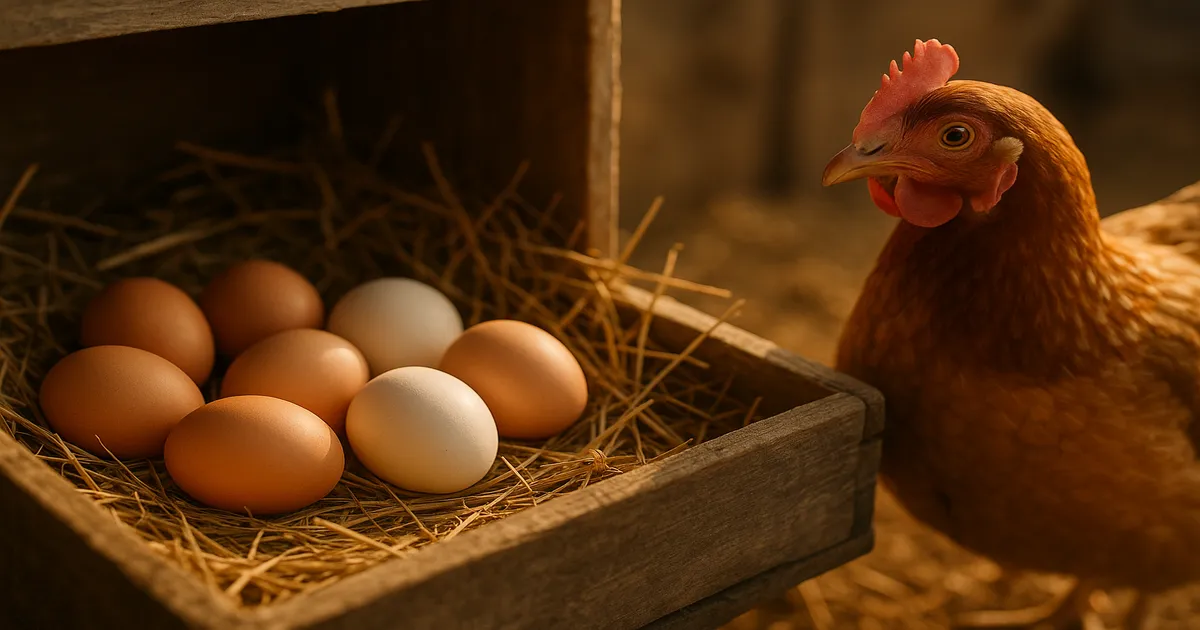
The earliest warning usually shows up in the nest box. Watch for:
- Soft, rubbery, or shell-less eggs (membrane only, no shell)
- Thin shells that crack under light pressure
- Rough, ridged, or pitted shell surfaces
- Increased egg breakage in the nest box
- Lethargy, weakness, or a hen sitting hunched and puffed up
Chronic deficiency leads to osteoporosis and cage layer fatigue, where hens lose the ability to stand. Acute deficiency causes hypocalcemia — muscle tremors, seizures, and death. These aren’t minor outcomes, and they’re largely preventable.
Which Breeds Need Calcium Most Urgently
The more eggs a hen lays, the more calcium she burns through. High-production breeds run their calcium metabolism at full throttle year-round.
| Breed | Eggs per Year | Calcium Urgency |
|---|---|---|
| Leghorn | 280–320 | Very High |
| Golden Comet / ISA Brown | 280–320 | Very High |
| Rhode Island Red | 250–300 | High |
| Barred Plymouth Rock | 200–280 | High |
| Buff Orpington | 180–220 | Moderate–High |
| Silkie Bantam | 100–120 | Moderate |
Don’t let the hardy reputation of dual-purpose breeds like Rhode Island Reds and Barred Rocks fool you — they still need consistent supplementation throughout their laying lives. Buff Orpingtons tend toward broodiness, which temporarily pauses calcium demands, but free-choice access should remain available at all times.
Bantams like the Silkie lay smaller eggs and fewer of them — around 100–120 per year. Their absolute calcium needs are lower, but relative to body size the demand is proportionally similar. Offer free-choice calcium to all laying bantams.
How to Feed Powdered Calcium Correctly
Free-Choice Method: Simplest and Safest
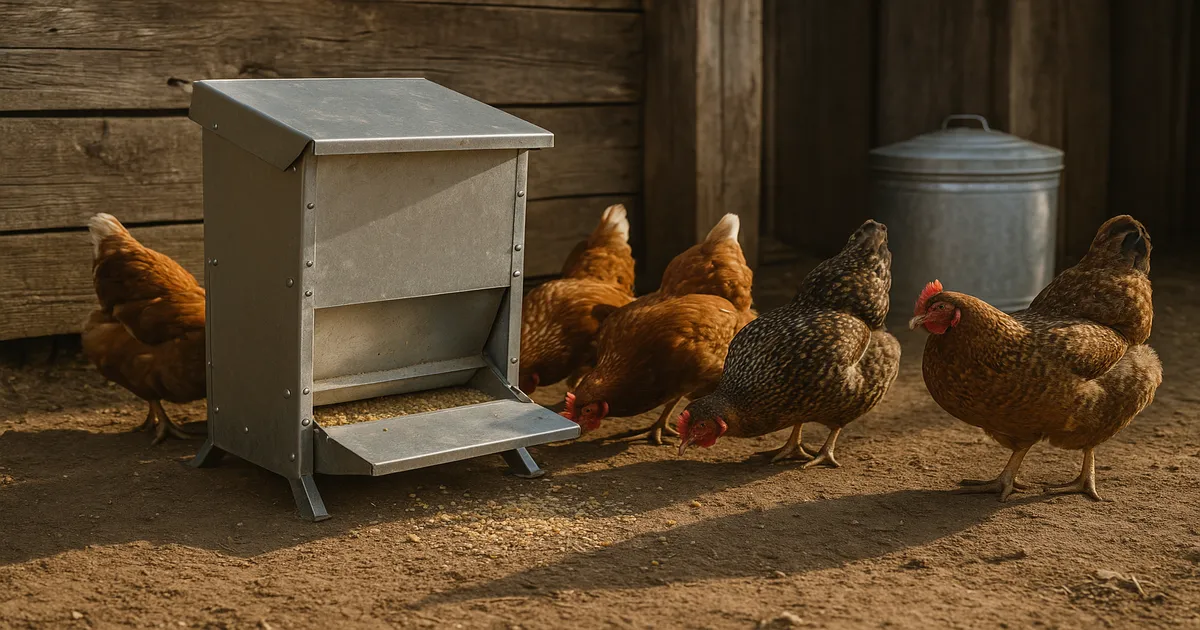
Place coarse oyster shell or powdered calcium in a separate feeder and leave it available at all times. Hens self-regulate beautifully — a laying hen will consume roughly 4–6 grams of supplemental calcium per day when she needs it, and ignore the feeder when she doesn’t. No measuring, no calculating, no risk of overdosing your layers.
A tube or trough-style hanging feeder works well. Hang it at hen shoulder height inside the coop or covered run, away from waterers — moisture turns powdered calcium into a clumped, unpalatable mess.
Mixed-Into-Feed Method
If your flock is made up entirely of actively laying hens with no roosters, chicks, or pullets, you can add calcium directly to feed at 1–2% of total feed weight — roughly ½ teaspoon per pound of feed. This becomes risky the moment a rooster or young bird shares the feeder, so free-choice is almost always the safer default.
Emergency Calcium for Acute Deficiency
If a hen shows signs of egg binding or hypocalcemia — straining, tail pumping, lethargy, or muscle tremors — a plain calcium carbonate antacid tablet (such as Tums, 500 mg) given orally can serve as a short-term bridge while you arrange veterinary care. A warm soak at 85–90°F (29–32°C) for 20–30 minutes may help relax the muscles during egg binding. These are first-aid measures only. If the egg isn’t passed within 24 hours, treat it as a veterinary emergency.
The Role of Vitamin D3 and Phosphorus
Calcium doesn’t work alone. Vitamin D3 is essential for absorption — hens with outdoor access synthesize it from UV sunlight, but confined birds may need it supplemented in their feed. Look for layer feeds providing 500–2,000 IU of D3 per kg. Phosphorus matters too: the ideal calcium-to-phosphorus ratio is roughly 2:1. Too much phosphorus from excess meat scraps, seeds, or grain can block calcium absorption even when intake looks adequate.
Heat stress above 90°F (32°C) reduces feed consumption, which means calcium intake drops exactly when hens need it most. During summer heat waves, check and refill the calcium feeder more frequently. A quality complete layer feed (Purina Layena Plus Omega-3) with balanced calcium and D3 is a good foundation year-round.
Managing Calcium in a Mixed Flock
Keeping calcium away from roosters, chicks, and non-layers takes some creative setup. The most reliable solution is placing the calcium feeder behind a small pop door sized for hens but too narrow for a rooster, or in a pen section only laying hens can access.
Store powdered or fine-ground calcium in a sealed container in a dry location. Humidity above 70% causes clumping and reduces palatability. A lidded plastic bin or sealed galvanized can works well. Coarse oyster shell is more forgiving than fine powder, but both benefit from dry storage.
Seasonal Adjustments to Calcium Feeding
Winter: When daylight drops below 10 hours, egg production falls sharply in most breeds. Calcium needs drop proportionally — but never withdraw free-choice calcium entirely. Some hens keep laying, and all hens need maintenance-level calcium for basic metabolic function.
Spring and Summer: Spring is peak demand — long days, high production, hens eating well. Summer complicates things: heat stress suppresses appetite, so hens may consume less layer feed and therefore less dietary calcium even while still laying. Check and refill the feeder more often during heat waves.
Molt: Hens stop laying for 6–12 weeks while regrowing feathers. Calcium demand drops, but don’t pull the feeder. Molt timing varies across a flock, and some hens may still be laying while others have stopped.
Older Hens: Hens over two years old absorb calcium less efficiently than young layers, even when consuming the same amount. Free-choice access becomes even more important for mature flocks — older hens need the opportunity to consume more to absorb the same amount.
Frequently Asked Questions About Feeding Chickens Powdered Calcium
Should I feed my chickens powdered calcium if they already eat layer feed?
Usually yes. Layer feed provides 3.5–4.5% calcium, which covers average needs but often falls short for high-production hens, older birds, or hens under heat stress. Offering free-choice powdered calcium or oyster shell alongside layer feed lets hens top up exactly as needed without any risk of overdose.
Can you give chickens too much calcium?
Laying hens on free-choice calcium rarely overconsume — they self-regulate based on need. The real danger is roosters, chicks, and non-laying pullets accidentally accessing supplements. Excess calcium causes kidney damage and visceral gout in these birds. Keep calcium feeders in areas only laying hens can reach.
Is oyster shell the same as powdered calcium for chickens?
Oyster shell delivers calcium carbonate — the same compound as powdered calcium — but particle size differs. Coarse oyster shell dissolves slowly over 12–20 hours, making it ideal for overnight eggshell formation. Fine powdered calcium absorbs faster but doesn’t provide the same sustained release. For most flocks, coarse oyster shell is the better choice.
Can roosters eat oyster shell or powdered calcium?
No. Roosters don’t lay eggs and have no mechanism to use excess calcium. Their kidneys must excrete it, and over time that causes irreversible damage and visceral gout. If you keep roosters, place calcium supplements where only hens can access them, or switch to an all-flock feed and offer calcium free-choice to hens in a separate area.
How quickly will calcium supplementation fix thin eggshells?
Shell quality typically improves within one to two weeks of introducing free-choice calcium, assuming the hen is otherwise healthy. If shells remain poor after two weeks, check vitamin D3 levels in the feed, rule out other health issues, and consider whether a high-phosphorus diet may be interfering with absorption.