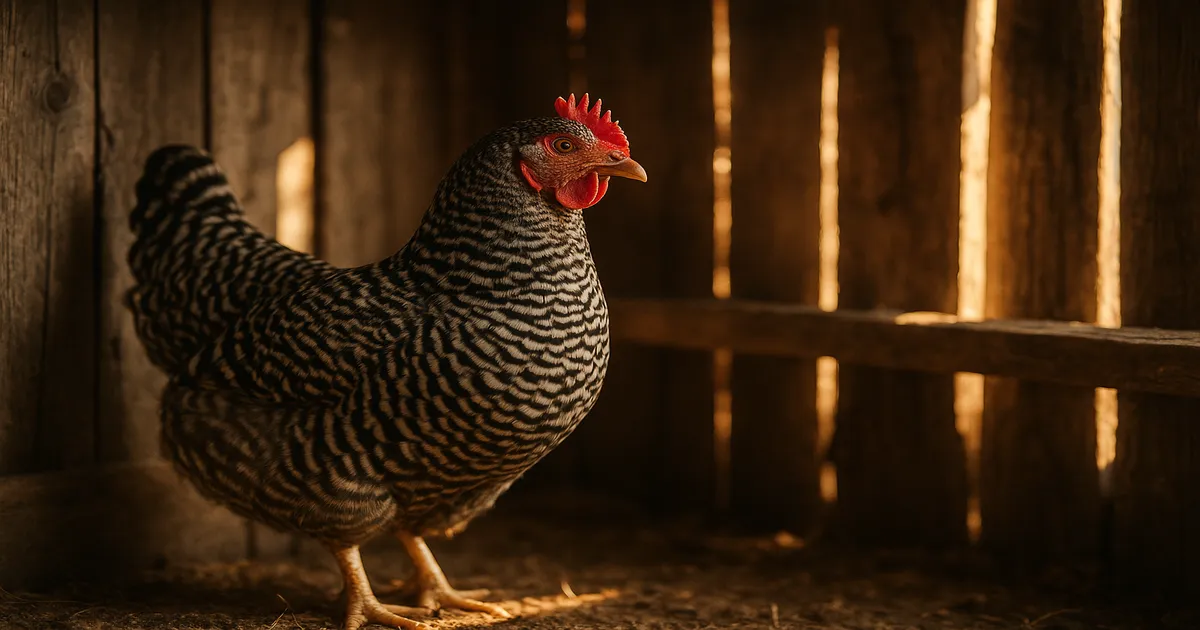
Quick Answer: A Plymouth Rock chicken is a large, dual-purpose American breed developed in the 1800s and best known in its Barred variety. Calm, cold-hardy, and beginner-friendly, these hens lay 200–280 brown eggs per year and hold their own at the table too. They’ve been a staple of American backyard flocks for over 150 years — and for good reason.
What Is a Plymouth Rock Chicken?
The Plymouth Rock chicken is one of America’s oldest and most beloved breeds — a big, beautiful bird that genuinely does it all. Admitted to the American Poultry Association (APA) Standard of Perfection in 1874, Plymouth Rocks spent decades as the backbone of commercial poultry farming before modern hybrids took over. Today they’ve found their true home in backyard flocks, where their calm temperament and reliable egg production make them a perennial favorite.
They’re not the flashiest breed, and they’re not the highest producer. What they are is dependable — friendly enough for kids to handle, tough enough to weather a cold winter, and productive enough to keep your egg basket full most of the year.
Plymouth Rock Chicken History and Origin
First Exhibition and Standardization
The breed traces its roots to Boston, Massachusetts, where birds matching the Plymouth Rock description were first exhibited in 1849. The breed was re-developed and standardized around 1869, and the Barred variety was formally admitted to the APA Standard of Perfection in 1874. Additional color varieties followed throughout the 20th century.
Role in American Poultry History
For decades, Plymouth Rocks were simply the American chicken. From the late 1800s through World War II, they dominated both egg and meat production across the country. Their displacement came gradually as commercial producers shifted to faster-growing Cornish Cross hybrids in the mid-20th century. For backyard keepers, though, the Plymouth Rock never really went away.
Conservation Status Today
The Barred variety remains common and widely available. Several other color varieties — including White, Columbian, and Blue — carry watch or recovering status with the Livestock Conservancy. Sourcing them may take a little more effort, but doing so supports important breed preservation work.
Plymouth Rock Varieties and Appearance
The 8 APA-Recognized Color Varieties
The APA recognizes eight Plymouth Rock varieties:
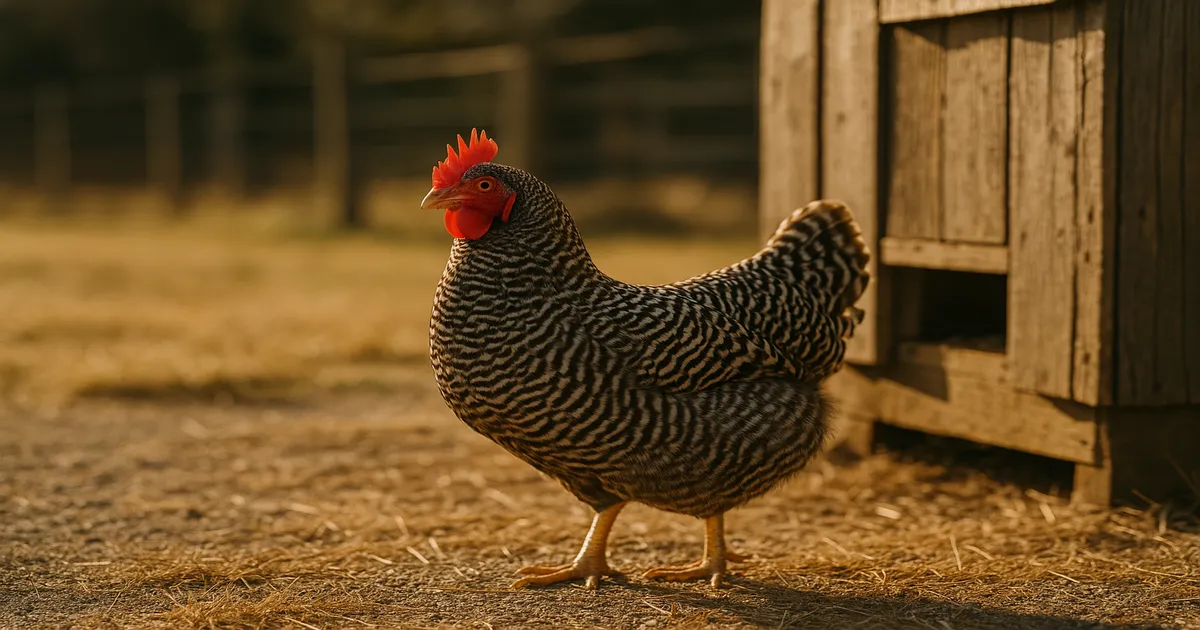
- Barred — the classic look; alternating black and white parallel bars across every feather
- White — pure white plumage; historically popular in commercial settings
- Buff — warm, golden-buff coloring
- Silver Penciled — silver-white base with distinct dark penciling
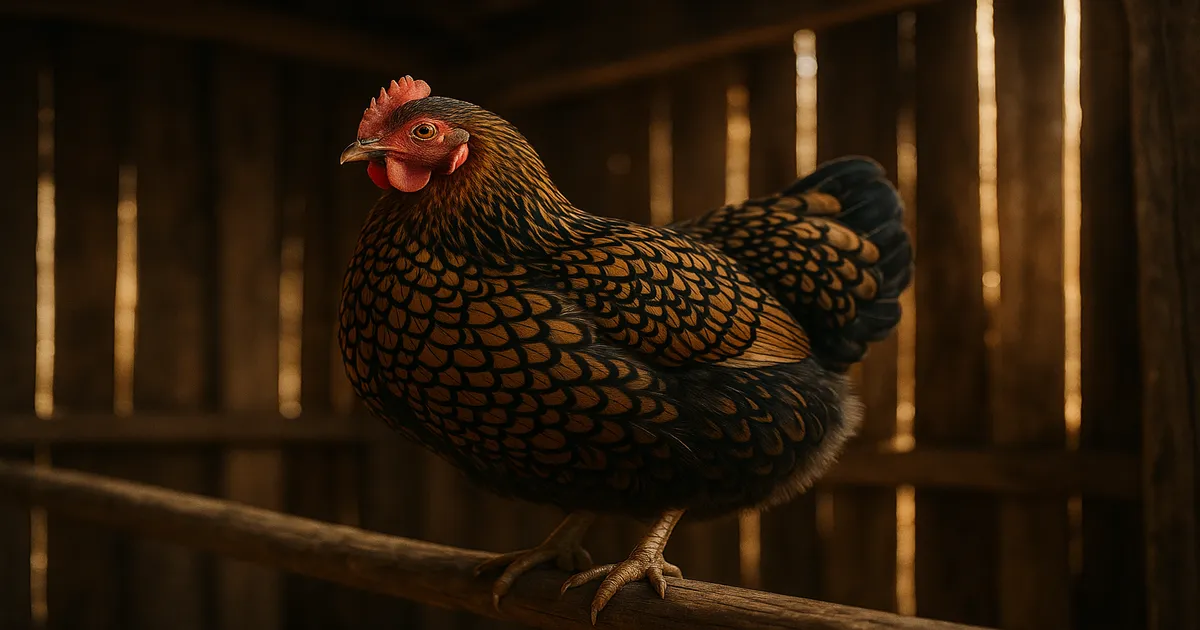
- Partridge — complex multi-color patterning similar to a Partridge Cochin
- Columbian — white body with black hackle and tail markings, reminiscent of a Light Brahma
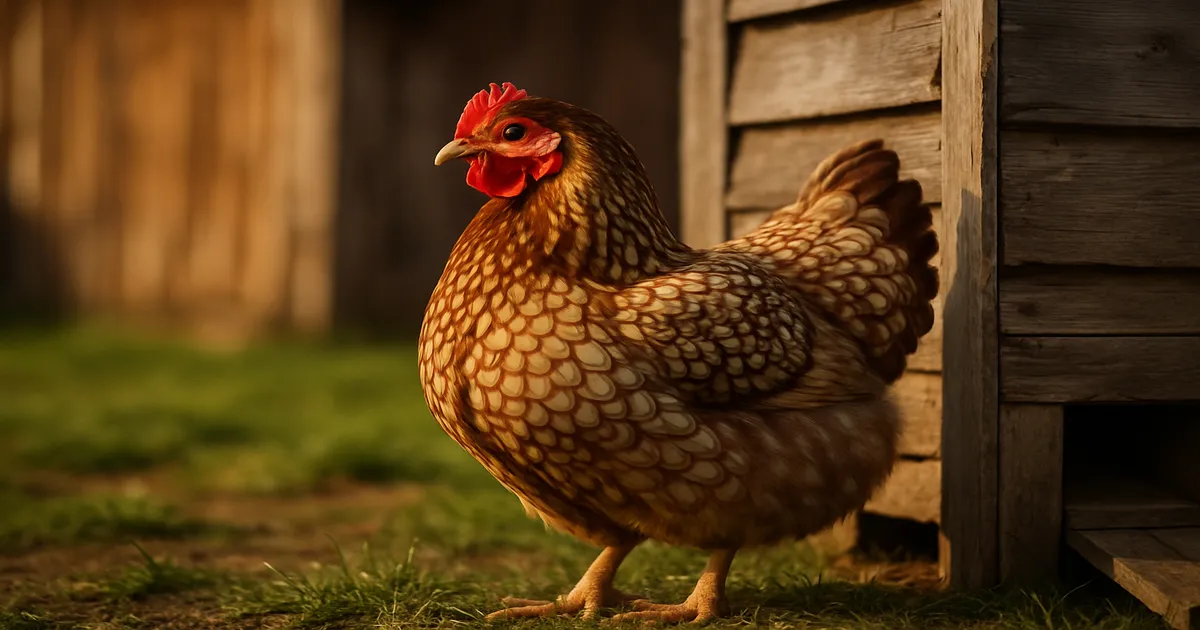
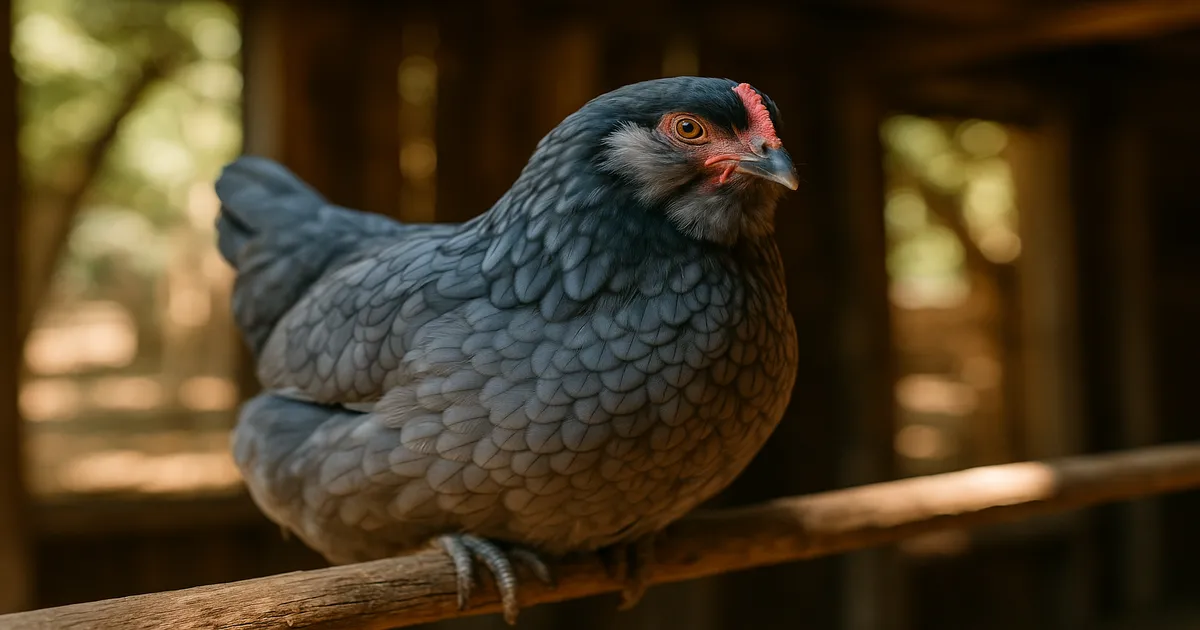
- Blue — slate-blue lacing; the rarest of the eight
- Black — solid black with a green sheen
The Barred pattern is worth a closer look. Those crisp alternating bars are produced by a sex-linked gene that creates a subtle visual difference between males and females: roosters appear noticeably lighter because they carry two copies of the barring gene, which widens the white bars. It’s a handy trick for early gender identification. Bantam Plymouth Rocks mirror all eight color patterns in miniature form.
Physical Characteristics
Plymouth Rocks are big, solid birds with a broad, deep-chested body that makes their dual-purpose heritage obvious at a glance. They carry a single, upright 5-point comb; a short, curved yellow beak; clean yellow legs with four toes; and bay (reddish-orange) eyes. Wattles and earlobes are red and medium-sized.
Standard vs. Bantam
Standard roosters weigh 9.5 lbs, with hens at 7.5 lbs. Bantam versions come in at 3 lbs for roosters and 2.5 lbs for hens — a great option if you’re tight on space but love the breed’s temperament and pattern.
Plymouth Rock Chicken Temperament
Behavior With Humans and Children
Plymouth Rocks consistently rank among the most recommended breeds for families with children. Hens are calm and tolerant of handling, and many become genuine lap chickens with regular interaction from a young age. They’re curious rather than skittish — they’ll follow you around the yard investigating whatever you’re doing.
Flock Dynamics and Mixed-Breed Compatibility
In a mixed flock, Plymouth Rocks are solid citizens. They’re not aggressive toward smaller breeds and tend to settle into the middle of the pecking order without drama. Roosters are typically calm and manageable, especially when socialized consistently from chick age — protective without being aggressive about it.
Foraging and Confinement
These birds are active, capable foragers that genuinely enjoy free-ranging. That said, they adapt well to a confined run as long as it’s spacious enough. Their heavier body type means they’re not as flighty as lighter breeds, which makes them easier to manage in both setups.
Plymouth Rock Egg Production
How Many Eggs Do Plymouth Rocks Lay?
Expect 4–5 eggs per week, translating to roughly 200–280 eggs per year. A realistic average for a well-managed hen is 220–250 annually. For comparison, Leghorns push 280–320 eggs per year — but they’re a single-purpose laying breed with a much more nervous temperament. For a bird that also puts meaningful meat on the table and stays friendly doing it, Plymouth Rock production is genuinely impressive.
Production peaks in years one and two, then declines roughly 15–20% per year after that.
Egg Size, Color, and Shell Quality
Eggs are large — typically 55–65 grams — with light to medium brown shells. Shell quality is consistently good, partly because the breed’s calm temperament reduces stress-related defects.
When Do Pullets Start Laying?
Most pullets lay their first egg at 18–20 weeks. Fall-hatched birds heading into shorter days may push that to 22–24 weeks. Spring-hatched pullets tend to start at the earlier end of the range.
Seasonal Laying and Winter Production
Like all chickens, Plymouth Rocks respond to daylight. When days drop below 14 hours of light, hens slow down or stop laying. The annual fall molt — typically lasting 6–12 weeks — adds another production gap. Summer heat above 85°F (29°C) can also cause a dip.
If you want consistent winter eggs, run a timer-controlled light in the coop to maintain 14–16 hours of total daily light. A simple LED on a timer does the job without disrupting the flock’s sleep cycle.
Broodiness
Plymouth Rocks are moderately broody — more so than Leghorns, less persistently than Silkies or Buff Orpingtons. Broodiness is more common in the Buff and Partridge varieties than in Barred Rocks. A broody hen stops laying for the full 21-day incubation period plus however long she spends mothering chicks.
To break a broody hen, place her in a wire-bottom cage with food and water but no nesting material for 3–5 days. The airflow under the cage cools her underside and breaks the hormonal cycle.
Coop and Housing for Plymouth Rock Chickens
Space Requirements
Plymouth Rocks are large birds — don’t shortchange them on space:
| Area | Minimum | Recommended |
|---|---|---|
| Indoor coop | 4 sq ft per bird | 6–8 sq ft per bird |
| Outdoor run | 10 sq ft per bird | 15–20 sq ft per bird |
| Free-range | 250+ sq ft per bird | Unlimited preferred |
Overcrowding is the single biggest driver of pecking, feather pulling, and disease in backyard flocks. When in doubt, give them more room.
Roost Bar Setup
Use a 2×4 piece of untreated pine lumber laid flat, with the 4-inch side up. This wide, flat surface lets hens cover their toes with their breast feathers on cold nights — critical frostbite prevention for a heavy bird.
- Height: 18–24 inches off the floor; avoid going above 36 inches to protect heavy birds on dismount
- Linear space: 10–12 inches per bird
- Avoid: Round dowels (foot fatigue), metal bars (conduct cold), plastic (slippery)
Nesting Boxes
Standard 12×12-inch boxes work, but 14×14 inches is more comfortable for Plymouth Rocks. Plan for one box per 3–4 hens — they’ll share willingly. Mount boxes 18–24 inches off the floor but lower than the roost bars. If boxes sit higher than roosts, hens will sleep in them and you’ll end up with dirty eggs every morning.
Ventilation
Ventilation matters more than insulation. Moisture buildup causes respiratory disease and frostbite far more reliably than cold air does. Aim for at least 1 sq ft of ventilation per 10 sq ft of coop floor space, with vents positioned high on the walls or in the eaves — above roost height so there’s no direct draft on sleeping birds.
Plymouth Rocks handle cold well without supplemental heat in most North American climates. If you’re in a region that regularly dips below 0°F (-18°C), insulate the walls and ceiling. Skip the heat lamp — the fire risk is real, and birds acclimated to artificial warmth suffer badly if the power goes out. A flat panel radiant heater is a much safer choice if you genuinely need supplemental warmth.
Predator-Proofing
Chicken wire keeps chickens in — it does not keep predators out. Use ½-inch galvanized hardware cloth on all openings, windows, and run panels. Key steps:
- Bury an apron: Lay hardware cloth 12–18 inches outward from the run perimeter (or bury it 12 inches deep) to stop diggers
- Use two-step latches or carabiner clips on all doors — raccoons solve simple hook-and-eye latches in seconds
- Cover the run completely to prevent hawk strikes and climbing predators
- Install an automatic coop door on a light sensor or timer to close reliably at dusk
Feeding Plymouth Rock Chickens
Feed by Life Stage
| Life Stage | Feed Type | Protein % |
|---|---|---|
| Chicks (0–8 weeks) | Chick Starter | 18–20% |
| Growers (8–18 weeks) | Grower/Developer | 16–18% |
| Laying hens (18+ weeks) | Layer Feed | 15–17% |
| Molting hens | Flock Raiser or high-protein supplement | 18–20% |
Plymouth Rocks are good foragers. Free-ranging birds can naturally supplement 10–20% of their diet from insects, seeds, and greens, which reduces feed costs and improves yolk color.
Calcium, Grit, and Supplements
Always keep oyster shell free-choice in a separate container alongside layer feed. Hens self-regulate how much they take based on their individual needs. Don’t mix it into the feed — that forces roosters and non-laying birds to consume calcium they don’t need.
Insoluble grit (granite or flint) is essential for any bird eating anything other than commercial pellets. Free-range birds usually find enough naturally; confined birds need it offered free-choice. Don’t confuse grit with oyster shell — they serve completely different functions. Oyster shell is too soft to grind food in the gizzard.
During the annual molt, bump protein temporarily by switching to a Flock Raiser (20% protein) or adding:
- Black soldier fly larvae (BSFL): 40–45% protein
- Dried mealworms: 50–55% protein (treat, not staple)
- Black oil sunflower seeds: useful fat and protein for feather regrowth
Treats and Foods to Avoid
The 90/10 rule applies here: complete feed should make up at least 90% of the diet. Safe treats include leafy greens, watermelon, cooked oatmeal, berries, squash, and cooked eggs. Watermelon is especially useful in summer — it’s hydrating and hens love it.
Strictly avoid:
- Avocado (skin, pit, and flesh — all toxic)
- Raw or dried beans (contain hemagglutinin)
- Chocolate
- Onions in large quantities
- Rhubarb leaves
- Moldy food of any kind
Water and Daily Feed Amounts
Each hen needs ½–1 pint of water per day, doubling in hot weather above 85°F (29°C). Nipple waterers are the most sanitary option and dramatically reduce the mess that open founts create. In winter, a heated waterer base keeps water above 35°F (2°C) without the hassle of breaking ice twice a day.
Daily feed consumption runs about ¼ lb (roughly ½ cup) of complete layer feed per adult hen. Free-choice feeders work well — Plymouth Rocks are not prone to overeating when they have adequate space to move.
Common Health Issues in Plymouth Rock Chickens
Marek’s Disease
Marek’s disease is caused by a highly contagious herpesvirus and is one of the most serious threats to young chickens. Symptoms include leg or wing paralysis, a grayed iris, tumors, and sudden death — most commonly in birds between 2 and 5 months old. There is no cure.
Vaccination at hatch is strongly recommended and costs just $0.15–$0.25 per chick at most hatcheries. Note that vaccination prevents tumor development but doesn’t stop the virus from spreading, so biosecurity still matters.
Coccidiosis
Coccidiosis is caused by Eimeria protozoan parasites living in soil and feces. It’s most dangerous in chicks 3–6 weeks old, causing bloody or watery diarrhea, lethargy, hunched posture, and rapid weight loss. Treat with Amprolium (Corid) in the drinking water — 9.6% liquid at 2 tsp per gallon for 5–7 days.
Medicated chick starter contains Amprolium as a preventive. If you use a coccidiosis vaccine instead (such as Coccivac), skip the medicated feed — they work against each other.
Mites and Lice
Northern fowl mites and red roost mites are the most common external parasites. Check under wings, around the vent, and along feather shafts during routine health checks. Red mites feed nocturnally, so inspect roost bars with a flashlight after dark — you’ll see tiny reddish-brown specks moving on the wood.
Treat with permethrin dust or spray (0.25%) or Spinosad (Elector PSP) applied to birds and coop surfaces. Repeat in 7–10 days to break the egg cycle. Prevention is easier than treatment: maintain a dedicated dust bath area filled with fine dirt, sand, and wood ash.
Bumblefoot
Bumblefoot is a Staphylococcus aureus bacterial infection that enters through small cuts or abrasions on the foot pad — often caused by jumping from roosts that are too high or landing on rough, wet bedding. Keep roosts under 36 inches for heavy breeds, maintain dry bedding, and inspect feet regularly during routine handling. Catching it early makes treatment far simpler.
Frequently Asked Questions About Plymouth Rock Chickens
Are Plymouth Rock chickens good for beginners?
Yes — Plymouth Rock chickens are one of the best breeds for beginners. They’re calm, tolerant of handling, easy to manage in a mixed flock, and adaptable to both free-range and confined setups. Their combination of reliable egg production and forgiving temperament makes them a genuinely low-stress starting point for new chicken keepers.
What is the difference between a Plymouth Rock and a Barred Rock chicken?
“Barred Rock” is simply the informal name for a Plymouth Rock chicken in the Barred color variety — the most common and recognizable of the eight APA-recognized varieties. All Barred Rocks are Plymouth Rocks, but not all Plymouth Rocks are Barred Rocks. The other seven varieties (White, Buff, Silver Penciled, Partridge, Columbian, Blue, and Black) are all Plymouth Rocks without the “Barred Rock” nickname.
Are Plymouth Rock chickens cold hardy?
Very. Their dense plumage and calm temperament make them well-suited to cold climates. The single comb can be susceptible to frostbite in extreme cold, but a dry, well-ventilated coop is sufficient in most of North America without supplemental heat. Applying a thin layer of petroleum jelly to the comb during deep freezes adds extra protection.
How long do Plymouth Rock chickens live?
Plymouth Rocks typically live 8–10 years with good care, though productive laying drops off significantly after years 3–4. Many keepers hold onto them well past peak production — their calm, curious personalities make them genuinely enjoyable flock members long after the egg numbers decline.
Can Plymouth Rock chickens be kept with other breeds?
Yes, and they’re one of the easier breeds to integrate. They’re not aggressive toward smaller birds and tend to settle into the middle of the pecking order without causing problems. Introduce new birds gradually using a see-but-don’t-touch partition for a week or two, and most flocks settle in without serious conflict.