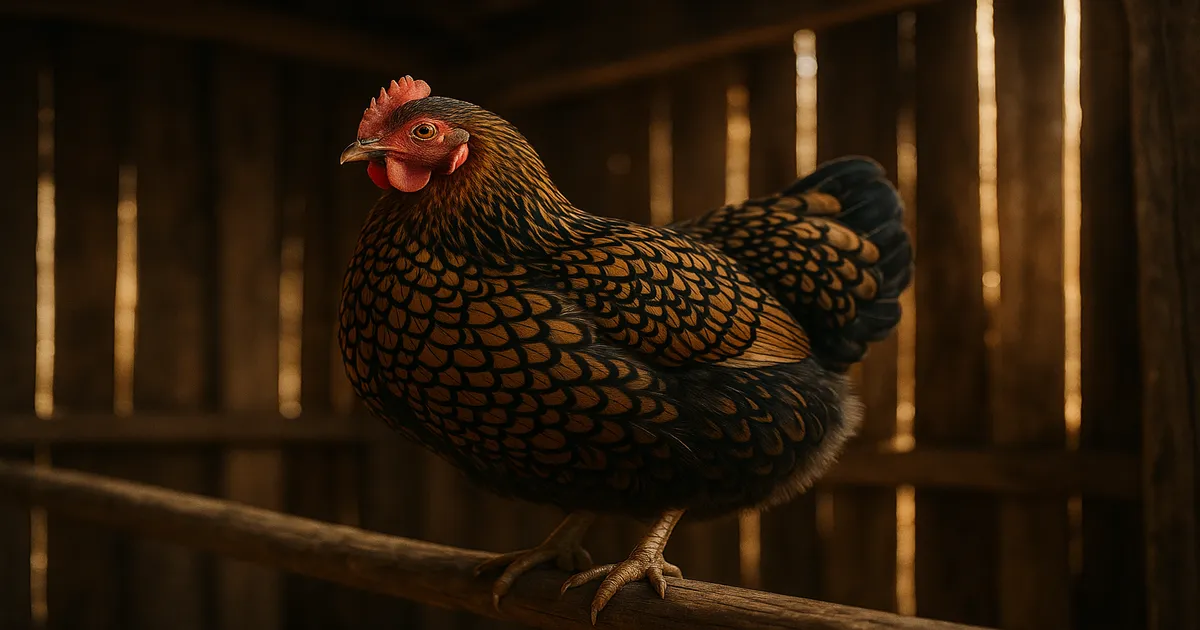
Quick Answer: Wyandotte chickens typically cost $3–$6 for day-old straight-run chicks from a hatchery, $5–$10 for sexed pullets, and $25–$60 for point-of-lay hens. Rare color varieties like Blue Laced Red and Lavender can push chick prices to $10–$20+. Breeder birds with show or breeding quality run $50–$300+.
If you’re wondering how much are Wyandotte chickens, the honest answer is: it depends on where you buy and what you’re looking for. A day-old hatchery chick and a show-quality breeding hen are both “Wyandottes,” but they occupy completely different price tiers. This guide breaks down every cost you’ll encounter — from purchase price through ongoing care — so you can budget confidently before your first bird arrives.
How Much Do Wyandotte Chickens Cost? Price Summary
| Bird Type | Typical Price Range |
|---|---|
| Day-old chick (straight run) | $3–$6 |
| Sexed pullet chick | $5–$10 |
| Started pullet (8–16 weeks) | $15–$35 |
| Point-of-lay pullet (18–22 weeks) | $25–$60 |
| Breeding-quality adult | $50–$150+ |
| Show-quality adult | $100–$300+ |
| Hatching eggs (per dozen) | $25–$60 |
| Rare variety chicks (e.g., Blue Laced Red, Lavender) | $10–$20+ |
Five factors move the needle most: source (hatchery vs. private breeder), age (chick vs. point-of-lay), sex (straight-run vs. sexed pullet), color variety (standard vs. rare), and quality grade (production, breeding, or show). Hatcheries sell volume and keep per-bird costs low. Breeders invest in genetic selection, which costs more but delivers better conformation and truer breed traits.
Wyandotte Chicken Breed Overview
History and Origin
Wyandottes are a genuinely American breed, developed in the 1870s from crosses that likely included Dark Brahmas, Spangled Hamburgs, and Silver Sebright Bantams — though historians still debate the exact recipe. The Silver Laced Wyandotte was the first variety admitted to the American Poultry Association’s Standard of Perfection in 1883. The breed takes its name from the Wyandot Nation, an Indigenous people of North America.
The goal from the start was a productive, cold-hardy dual-purpose bird suited to American farm conditions. By most accounts, the breeders nailed it.
Recognized Color Varieties
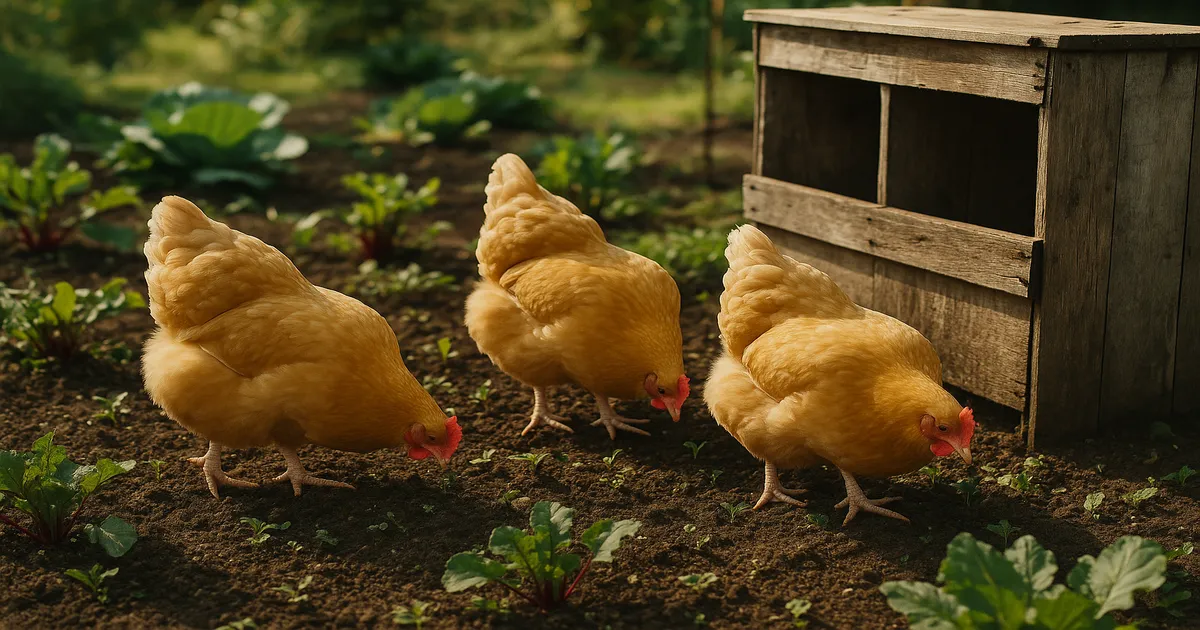
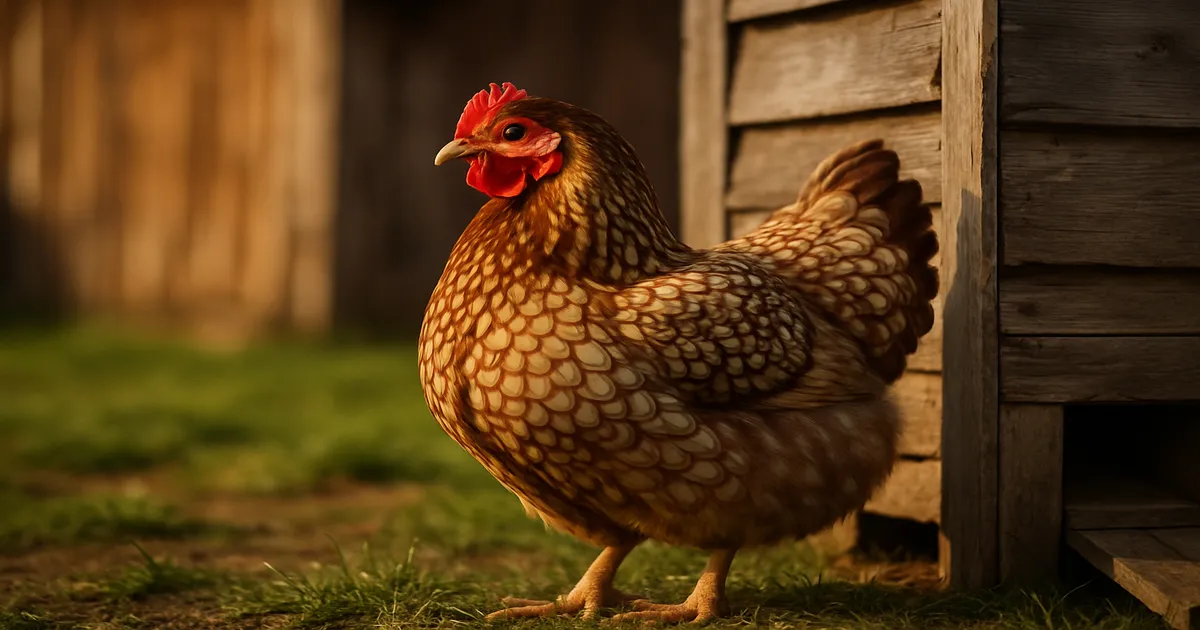
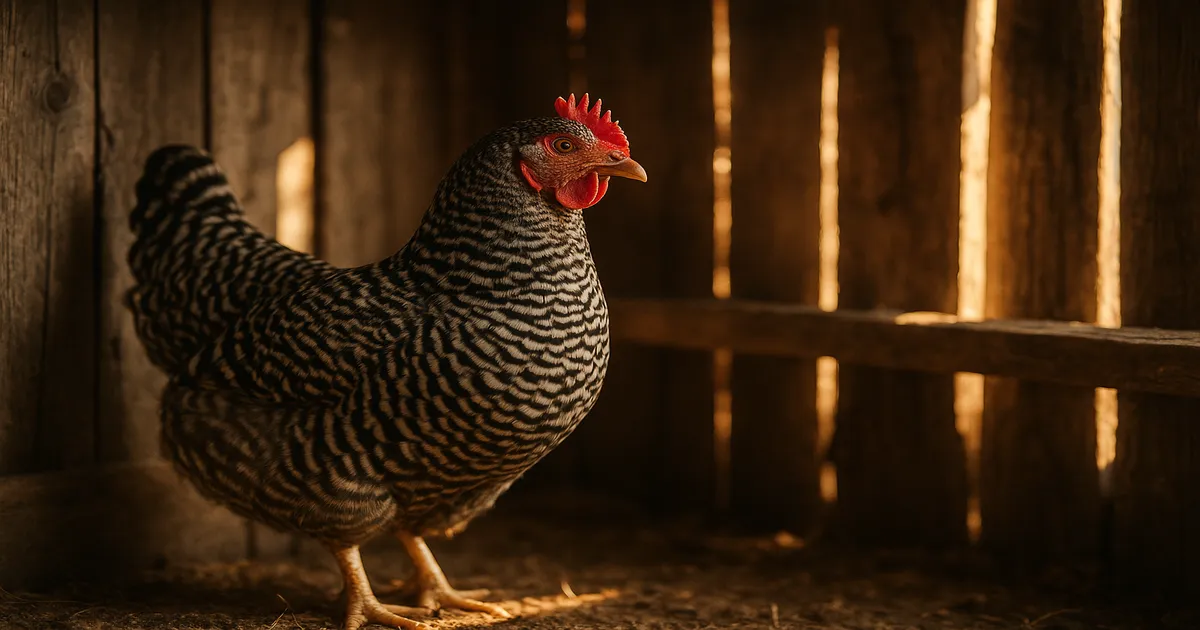
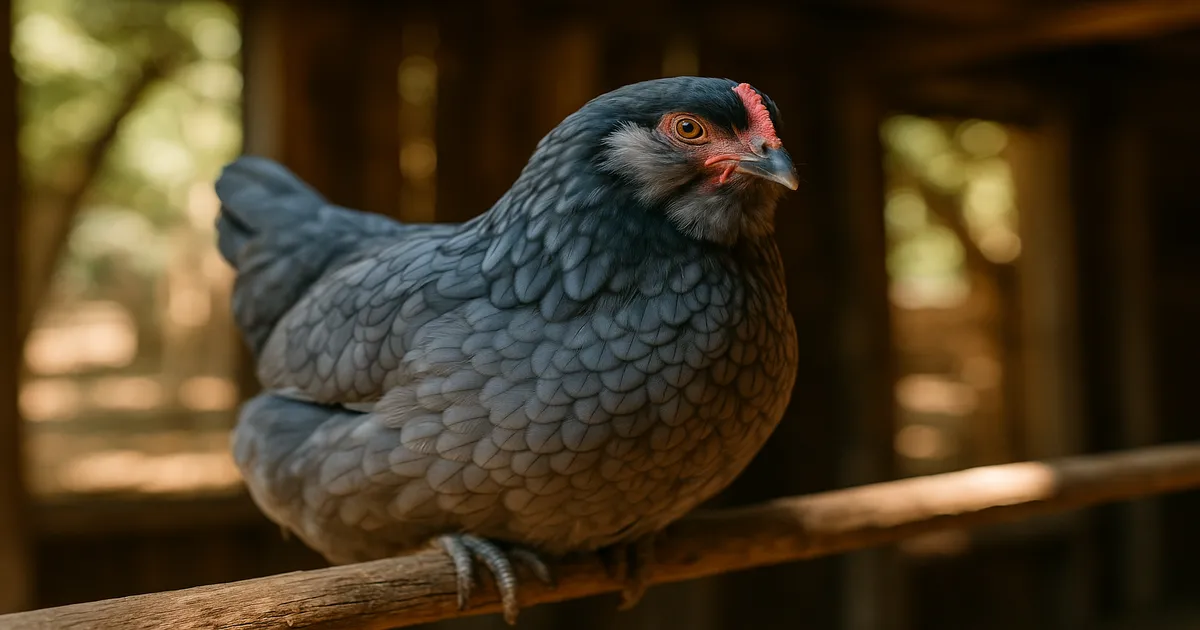
The APA currently recognizes nine standard varieties: Silver Laced, Golden Laced, White, Black, Buff, Partridge, Silver Penciled, Columbian, and Blue. Bantam Wyandottes are also widely available and recognized in additional color patterns. Outside the APA standard, Blue Laced Red and Lavender are extremely popular — just expect to pay a premium for either one.
Temperament and Personality
Wyandottes are calm, curious, and genuinely pleasant to be around. They’re assertive enough to hold their own in a mixed flock without being bullies, and they take well to handling when socialized young. That combination makes them a strong choice for families with kids or first-time keepers who want a friendly, manageable bird.
Hens can be moderately broody, especially in heritage-bred lines — worth knowing before you commit.
Size, Weight, and Appearance
Standard hens weigh 6–7 lbs and roosters 8–9 lbs: solidly built, broad-chested birds with the classic American dual-purpose look. Their rose comb sits low, flat, and close to the head, making it far more resistant to frostbite than the upright single combs on breeds like Leghorns. Dense feathering and clean yellow legs round out the picture. These traits are a big part of why Wyandottes command a slight premium over basic production breeds — you’re getting a cold-hardy, productive, beautiful bird all in one package.
Where to Buy Wyandotte Chickens and What to Expect to Pay
Hatcheries: Best for Beginners on a Budget
Large hatcheries like Meyer Hatchery, Hoover’s Hatchery, and Murray McMurray offer Wyandotte chicks at the lowest per-bird price — typically $3–$10 depending on sex and variety. You’ll get healthy, vaccinated chicks shipped to your door, usually with a minimum order requirement that helps maintain safe shipping temperatures.
The trade-off is genetic selection. Hatchery birds are bred for volume, not conformation or heritage traits. If show quality or strict breed standards matter to you, a hatchery probably isn’t your final destination.
Private Breeders: Worth the Premium?
Reputable breeders charge $50–$300+ per bird, and for good reason. They’re selecting for conformation, temperament, productivity, and true-to-standard coloring across multiple generations. If you want breeding stock, show birds, or rare varieties with strong genetics, a private breeder is worth every extra dollar.
Finding a good one takes a little homework. The Wyandotte Breeders of America is a solid starting point, as are local poultry shows and breed-specific Facebook groups.
Buying Started Pullets or Point-of-Lay Hens
Started pullets (8–16 weeks, $15–$35) and point-of-lay pullets (18–22 weeks, $25–$60) cost more upfront, but you skip the brooder entirely — no heat source, no chick starter, no six weeks of close monitoring. For busy keepers or anyone without a brooding setup, that convenience has real value.
Hatching Eggs: The Most Affordable Entry Point
At $25–$60 per dozen, hatching eggs offer the lowest per-bird entry cost. You’ll need an incubator, though — a reliable forced-air model makes a real difference in hatch rates. (Brinsea Ovation 28 EX) Expect 70–85% fertility under good conditions, and factor in that roughly half of straight-run hatches will be males. For rare varieties or top-tier genetics, hatching eggs are often the only affordable way in.
Rare Varieties: Expect Higher Prices and Waiting Lists
Blue Laced Red, Lavender, and other non-APA-recognized varieties are in high demand and short supply. Chick prices of $10–$20 each are common, and quality hatching eggs from proven breeders can sell out months in advance. If you have your heart set on one of these, get on a waiting list early.
Egg Production: What to Expect From Wyandotte Hens
Wyandottes are solid, reliable layers — not record-setters. Expect 3–5 eggs per week per hen during peak season, or roughly 150–220 eggs per year. Well-bred production lines hit the higher end; heritage show lines tend toward the lower end. That’s a meaningful gap compared to a dedicated laying breed like a Leghorn (280–320 eggs/year), so calibrate your expectations accordingly.
Eggs are brown, ranging from light tan to a warm medium brown, and land in the large-to-extra-large size category. Shell quality is typically excellent. Most pullets begin laying at 18–22 weeks, though slower-maturing lines may hold out until 24 weeks. First eggs are often small — size normalizes within 4–6 weeks of laying onset.
Like all chickens, Wyandottes slow down or stop laying when daylight drops below 14 hours. Supplemental lighting (14–16 hours of total light per day) can maintain year-round production. Expect a 20–40% drop in output during the fall molt as well. Broodiness is moderate; if a hen goes broody and you don’t want her to sit, a wire-bottomed broody breaker cage for 3–5 days will break the hormonal cycle without harming her.
Coop and Housing Requirements for Wyandottes
Plan for a minimum of 4 sq ft per bird indoors — though 6–8 sq ft is better for these broad-bodied birds — and at least 10 sq ft per bird in the run. More run space means less stress, cleaner ground, and a healthier flock overall.
Keep roost bars 18–24 inches off the ground. Higher roosts increase landing stress on heavier frames and contribute to bumblefoot over time. A flat 2×4 set wide-side-up is better than a round dowel — it lets birds flatten their toes for warmth and is simply more comfortable. Allow 8–10 inches of linear roost space per bird.
One nesting box per 4–5 hens is the standard ratio. For Wyandottes, go with 14×14×14 inches if you can; their broader bodies appreciate the extra room. Position boxes lower than the roost bars so hens aren’t tempted to sleep in them overnight.
Ventilation matters more than insulation in cold climates. Moisture buildup — not cold air — causes frostbite and respiratory problems. Position vents high on the walls or in the eaves so ammonia and humidity escape without creating drafts at bird level. The deep litter method (6–12 inches of pine shavings) generates modest microbial heat and insulates the floor naturally. Wyandottes genuinely don’t need supplemental heat in most North American climates — their rose comb and dense feathering are purpose-built for cold weather.
For predator-proofing: use ½-inch hardware cloth on all openings (chicken wire keeps chickens in, not predators out), bury an apron of hardware cloth 12 inches deep or bend it outward 12–18 inches in an “L” to stop diggers, and install two-step or carabiner latches on all doors. An automatic coop door adds a reliable layer of protection overnight . Check for any gap larger than ½ inch and seal it.
Feeding and Nutrition for Wyandotte Chickens
Switch to layer feed at 18–20 weeks or when you see the first egg — whichever comes first. Look for 15–18% crude protein and 3.5–4.5% calcium. Pellets produce less waste than crumbles; either works fine. (Purina Layena Plus Omega-3)
Keep crushed oyster shell in a separate container so hens can self-regulate calcium intake. Don’t mix it into the feed — roosters and young birds don’t need the extra calcium load. Offer insoluble granite grit free-choice for any bird that eats treats, whole grains, or free-ranges.
Wyandottes eat approximately ¼ lb of feed per bird per day, a little more in cold weather. Hang feeders at the bird’s back height to reduce waste and contamination. Fresh water is non-negotiable — plan for 1–2 cups per hen per day, doubling in summer heat or during peak laying. A large-capacity poultry waterer keeps things simple, especially in summer.
Cap treats at 10% of the daily diet. Great options include mealworms (especially during molt), leafy greens, watermelon, and squash. Hard no’s: avocado, onions, chocolate, raw dried beans, salty foods, and anything moldy. Several of these are genuinely toxic, not just “not ideal.”
Health, Common Diseases, and Preventive Care
Marek’s Disease is a highly contagious herpesvirus that causes tumors, paralysis, and death. Vaccination at hatch costs just $0.25–$0.50 per chick and is offered by most reputable hatcheries — always ask for it. It doesn’t prevent infection, but it prevents the disease from expressing. Quarantine all new birds for 30 days before introducing them to your flock.
Coccidiosis hits hardest in chicks 3–6 weeks old. Watch for bloody or watery droppings, lethargy, hunched posture, and pale combs. Treat immediately with Amprolium (Corid) — 9.6% liquid at 2 tsp per gallon of drinking water for 5–7 days. Medicated chick starter contains a low preventive dose; use it if your chicks weren’t vaccinated for cocci.
Mites and lice are the most common external parasites. Check under vent feathers and wings monthly. Signs include feather damage, restlessness, pale combs, and reduced egg production. Treat with permethrin-based poultry dust or spray, hitting both birds and coop on the same day. A proper dust bathing area — dry dirt or sand, roughly 2×2 feet per 3–4 birds — lets chickens manage parasites naturally.
Bumblefoot is a staph infection of the foot pad, usually triggered by rough roosts, hard landings, or wire flooring. You’ll see a swollen pad with a dark scab on the bottom. For mild cases, soak the foot in warm Epsom salt water, gently remove the scab, apply antibiotic ointment, and bandage. Prevention is easier: smooth roost bars, appropriate roost height, and clean dry bedding go a long way.
Respiratory infections — including Mycoplasma gallisepticum (MG), Infectious Bronchitis, and Newcastle Disease — show up as rattling breath, nasal discharge, and sudden drops in egg production. Viral diseases have no cure; supportive care only. MG can be managed with antibiotics like Tylosin under veterinary guidance. The best defense is biosecurity: 30-day quarantine for new birds, dedicated coop footwear, and no sharing of equipment between flocks.
Vaccination Schedule:
| Vaccine | Timing | Method |
|---|---|---|
| Marek’s Disease | Day of hatch | Subcutaneous injection (hatchery) |
| Newcastle/Bronchitis Combo | 1–4 weeks | Eye drop or drinking water |
| Fowl Pox (optional) | 8–12 weeks | Wing web stab |
Raising Wyandotte Chicks: Brooder Setup and Integration
Start with ½ sq ft per chick for the first two weeks, then expand to 1 sq ft per chick by weeks 3–4. Use 2–3 inches of pine shavings (not cedar — the oils are harmful to chicks), with paper towels on top for the first few days to help chicks find their feed.
A radiant heat plate is safer than a heat lamp and mimics the warmth of a mother hen more naturally. (Brinsea EcoGlow Safety 600) If you use a heat lamp, secure it with two independent attachment points and use a red bulb to reduce pecking.
Week-by-Week Temperature Guide:
| Week | Temperature at Heat Source | Notes |
|---|---|---|
| 1 | 95°F (35°C) | Chicks should be able to move away from heat |
| 2 | 90°F (32°C) | Reduce by 5°F each week |
| 3 | 85°F (29°C) | Watch chick behavior as your guide |
| 4 | 80°F (27°C) | Becoming more feathered |
| 5 | 75°F (24°C) | Nearly fully feathered |
| 6+ | 65–70°F (18–21°C) | Can transition outdoors if weather permits |
Read the chicks, not just the thermometer. Huddling under the heat means too cold; spreading to the edges and panting means too hot; scattered evenly means you’ve got it right.
Feed 18–22% protein chick starter for the first 8 weeks, then transition to 16–18% grower feed through week 18. Use medicated starter if chicks weren’t vaccinated for coccidiosis; unmedicated if they were. Offer chick-sized grit free-choice any time you introduce treats.
Never drop young chicks directly into an established flock — the size and pecking order disparity can get birds seriously hurt. The see-but-don’t-touch method works well: partition a section of the run with wire so the flocks can see and smell each other for 1–2 weeks without contact. Aim for integration at 12–16 weeks when size differences are less extreme. Do the actual merge at dusk when birds are calm and roosting, set up multiple feeding and water stations to reduce competition, and watch closely for the first 3–5 days. Some chasing is normal — outright bullying that draws blood is not.
Frequently Asked Questions About Wyandotte Chickens
Are Wyandotte chickens good for beginners? Yes. Wyandottes are one of the best beginner breeds available. They’re calm, cold-hardy, easy to handle, and lay reliably without demanding much from their keeper. Their docile temperament makes flock management straightforward, even for first-timers.
How much does it cost to keep a Wyandotte chicken per year? Budget roughly $50–$80 per bird per year for feed alone, plus bedding, occasional health supplies, and coop maintenance. Total annual cost per bird typically lands between $80–$150, depending on your setup and local feed prices.
Do Wyandotte roosters cost more than hens? Generally no — roosters are often cheaper or given away because demand is lower. Straight-run chicks are priced below sexed pullets precisely because you’re taking on the risk of getting males. The exception is a proven show or breeding rooster from a top breeder, which can command a significant premium.
How long do Wyandotte chickens live? With good care, Wyandottes typically live 8–12 years, though peak egg production runs for the first 2–3 years and declines gradually after that. Many keepers keep older hens as pets or pest control long after their laying days wind down.
Are Wyandottes heat-tolerant as well as cold-hardy? They’re primarily known for cold hardiness, but they handle moderate heat reasonably well. In climates with very hot summers, provide shade, good ventilation, and plenty of fresh cool water. They’re not as heat-tolerant as Mediterranean breeds like Leghorns, so extra attention is warranted above 90°F.
Prices and product availability vary by region and season. Always verify current pricing with your chosen hatchery or breeder before purchasing.