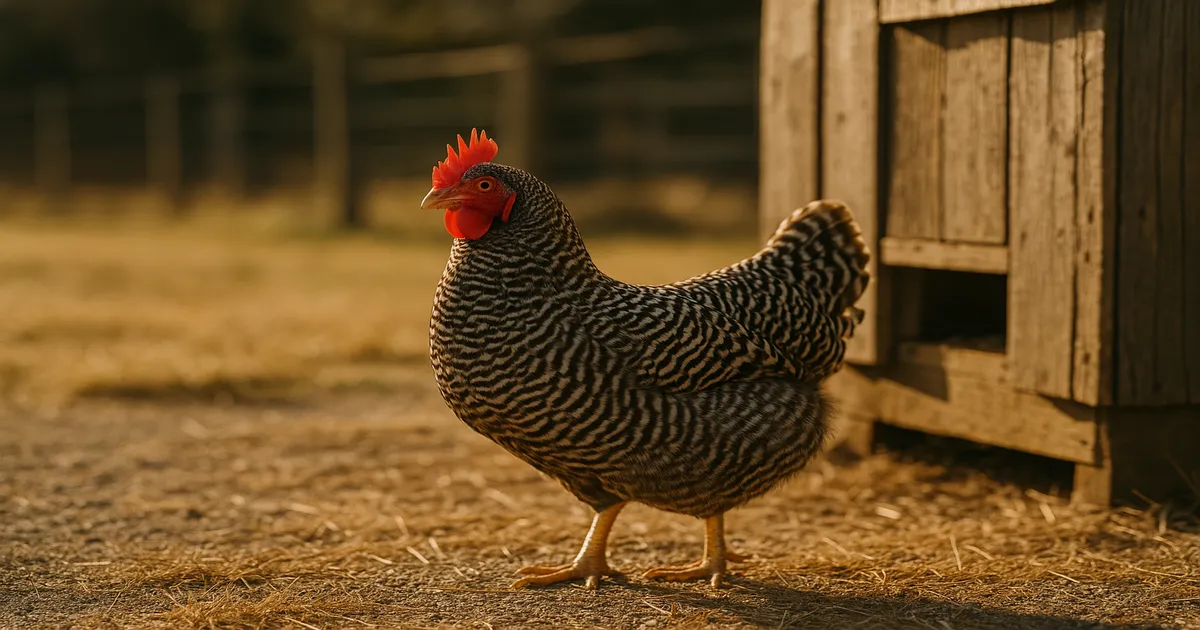
Quick Answer: A Barred Rock chicken is the most popular color variety of the Plymouth Rock breed — an American dual-purpose chicken developed in the mid-1800s and recognized by the APA in 1874. Known for their striking black-and-white striped feathers, calm personality, and reliable output of around 260 brown eggs per year, Barred Rocks are one of the best all-around breeds for backyard flock keepers at any experience level.
What Is a Barred Rock Chicken?
The Barred Rock is an American heritage breed that has been a farmyard staple for over 150 years. When most people say “Plymouth Rock chicken,” they’re almost always talking about the Barred variety — the two terms get used interchangeably in everyday conversation, even though Plymouth Rock is technically the breed name and Barred Rock refers to its signature plumage pattern.
What makes this bird so enduringly popular? It checks nearly every box: beginner-friendly temperament, consistent egg production, decent meat yield, cold hardiness, and good looks. Whether you’re setting up your first backyard flock or rounding out an experienced one, the Barred Rock deserves serious consideration.
Breed History and Origin
How the Barred Rock Was Developed
The Barred Rock’s story begins in Boston, where the bird was first exhibited in 1849. Early breeders crossed several breeds — most likely Dominiques, Black Javas, Cochins, and possibly Malays — to produce a practical, hardy farm bird suited to American conditions. The result was a large, dual-purpose chicken capable of delivering both a substantial table bird and a reliable supply of eggs.
APA Recognition and Historical Significance
The Plymouth Rock was admitted to the American Poultry Association’s Standard of Perfection in 1874, making it one of the first officially recognized American breeds. Its popularity exploded from there. Through the first half of the 20th century, it was the most widely kept farm chicken in the United States. After World War II, the breed’s genetics played a significant role in developing the commercial broiler industry — a testament to its meat-producing qualities.
Plymouth Rock Varieties
The Plymouth Rock breed includes seven APA-recognized color varieties:
- Barred (by far the most common)
- White
- Buff
- Silver Penciled
- Partridge
- Columbian
- Blue
The Barred variety so thoroughly dominates in backyard flocks and hatchery catalogs that it has become synonymous with the breed itself.
Barred Rock Appearance and Physical Traits
The Distinctive Barred Plumage Pattern
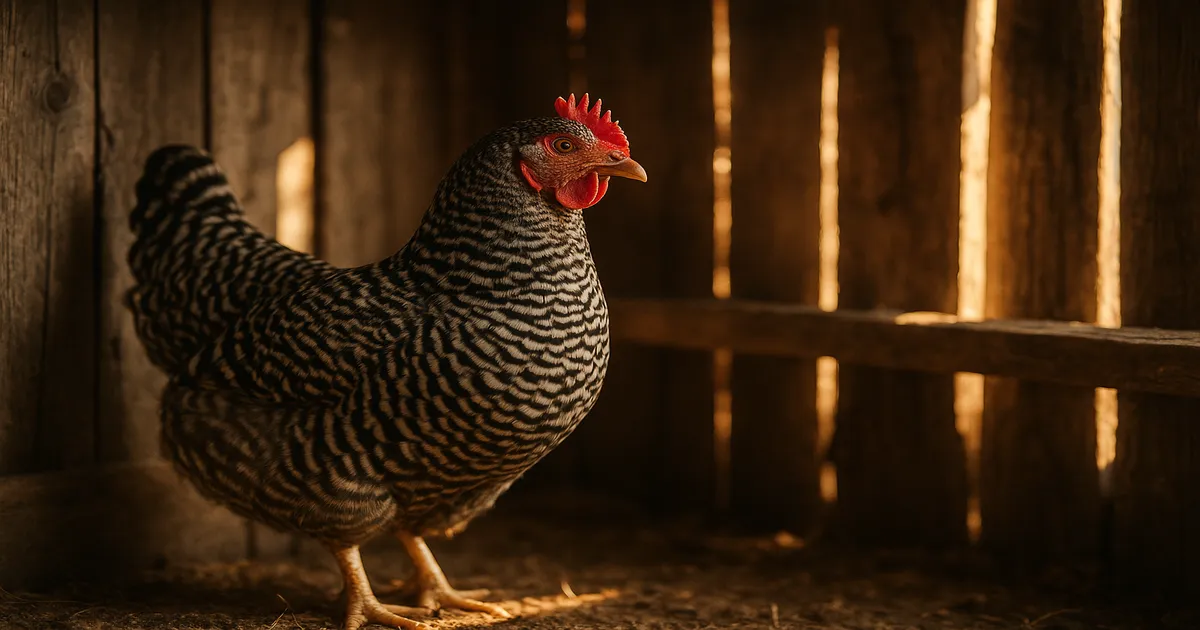
The Barred Rock’s most recognizable feature is its cuckoo barring — crisp, alternating black and white parallel bars running across each individual feather. Across the whole bird, the effect is a clean, graphic pattern that makes these chickens genuinely striking in a mixed flock. In quality birds, the bars are sharp and well-defined, not blurry or washed out.
Body Size and Weight
This is a big, solid bird. Barred Rocks have a broad, deep chest, a long flat back, and a well-rounded body that reflects their dual-purpose heritage. Standard weights are:
- Roosters: 9.5 lbs (4.3 kg)
- Hens: 7.5 lbs (3.4 kg)
- Cockerels: 8 lbs (3.6 kg)
- Pullets: 6 lbs (2.7 kg)
Other physical details: single 5-point upright comb, red wattles and earlobes, a stout yellow beak, clean (unfeathered) yellow legs, four toes, yellow skin, and reddish-bay eyes.
How to Tell Males from Females by Feather Color
Here’s a handy trick — you can often sex adult Barred Rocks just by looking at them. Males have wider white bars, so they appear lighter and almost silvery overall. Females have narrower white bars, giving them a darker, more charcoal appearance. It’s not a reliable method for day-old chicks, but in adult birds it works well as a quick visual cue.
Bantam Barred Rocks
Short on space? Barred Rock bantams are a legitimate option. They carry the same plumage pattern and general temperament as standard birds but come in at roughly one-quarter the standard size — much easier to house in a small urban setup.
Barred Rock Temperament and Personality
Are Barred Rock Chickens Good for Beginners?
Consistently, yes. The Barred Rock’s calm, curious, and docile nature makes it one of the most recommended breeds for first-time chicken keepers. They tolerate handling well, rarely show aggression toward people, and tend to take new flock situations in stride. Many birds raised with regular human contact from chick age will actively seek out their keeper — perching on arms, following around the yard, and generally acting more like a pet than livestock.
They’re also genuinely family-friendly. Barred Rocks tolerate gentle handling from children better than most breeds, and they tend to hold a mid-to-upper position in the pecking order without being bullies about it. They’re not flighty or skittish, which matters a lot when kids are involved.
Foraging and Confinement
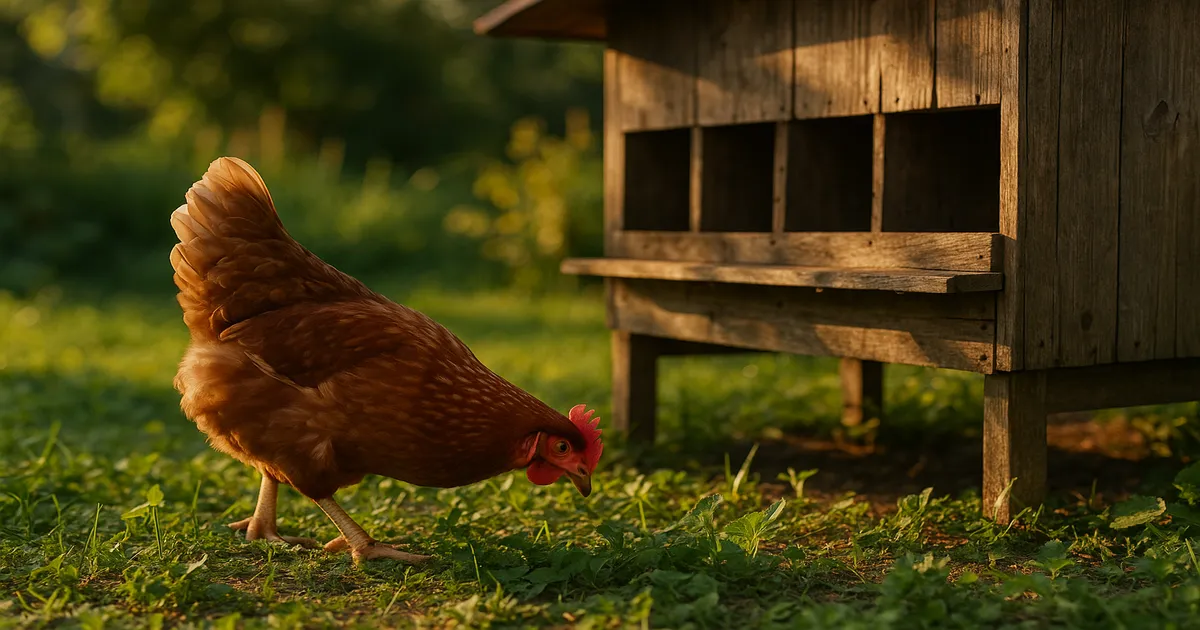
Given free-range access, Barred Rocks are enthusiastic foragers — they’ll cover a lot of ground and do a great job finding bugs, seeds, and greens. That said, they adapt well to confinement too, as long as their space requirements are met. They’re one of the more flexible breeds in this regard, which makes them practical for a range of setups from small suburban runs to open pasture.
Noise Level
Barred Rocks are not a quiet breed, but they’re not a loud one either. Hens vocalize normally — the classic egg song after laying, occasional alarm calls — but they don’t tend toward the incessant, high-pitched squawking that makes some breeds difficult neighbors. For most suburban backyard situations (without a rooster), they’re a reasonable choice.
Egg Production: What to Expect
How Many Eggs Do Barred Rock Chickens Lay Per Year?
A healthy, well-fed Barred Rock hen will lay 4–5 eggs per week, adding up to roughly 260 eggs per year. That puts them firmly in the high-producing category for a dual-purpose breed — not quite at the level of a dedicated layer like a Leghorn (280–320/year), but significantly more productive than most heritage or ornamental breeds.
Eggs are large by USDA standards, with brown shells ranging from medium to dark in color. The shells are thick and sturdy, and the yolks are a rich, deep yellow — especially vibrant in hens with regular free-range access to grass and insects.
When Do Barred Rock Pullets Start Laying?
Barred Rocks typically reach point of lay at 16–20 weeks of age, which is earlier than many heavy breeds. Peak production usually kicks in between 6 and 12 months, and strong production continues for 2–3 years before gradually declining.
Winter Laying
Like all chickens, Barred Rocks respond to daylight length. When days drop below 14 hours — typically October through February in most of the U.S. — expect a 30–50% reduction in egg production. Adding supplemental lighting to maintain 14–16 hours of total light per day can sustain near-peak production through winter. The annual fall molt halts laying entirely for 6–12 weeks as hens redirect protein to feather regrowth.
Broodiness
Barred Rocks have a moderate tendency toward broodiness. Some hens never go broody at all; others may sit once or twice a year, particularly in spring. When they do go broody, they’re generally attentive, capable mothers. If egg production is your priority, break broody behavior early by moving the hen to a wire-bottomed broody-breaker cage for 3–5 days — the airflow underneath disrupts the hormonal cycle driving broodiness.
Coop and Housing Requirements
How Much Space Do Barred Rock Chickens Need?
These are large birds, and space matters. Overcrowding is the single biggest cause of pecking, feather pulling, and disease spread in backyard flocks.
| Area | Minimum | Preferred |
|---|---|---|
| Indoor coop | 4 sq ft per bird | 6–8 sq ft per bird |
| Outdoor run | 10 sq ft per bird | 15–20 sq ft per bird |
| Free-range | — | 250+ sq ft per bird |
When in doubt, go bigger.
Roost Bar Setup
Barred Rocks are heavy birds, so roost bar setup matters more than it does for lighter breeds. Aim for:
- 8–12 inches of linear roost space per bird
- 18–36 inches off the floor — high enough to feel secure, low enough to prevent hard landings
- 2–4 inch diameter flat or rounded bars so birds can rest flat-footed and cover their toes with their breast feathers in cold weather
Avoid narrow dowel rods under 2 inches — they force birds to grip tightly rather than perch flat, which contributes to both frostbite and bumblefoot over time.
Nesting Boxes
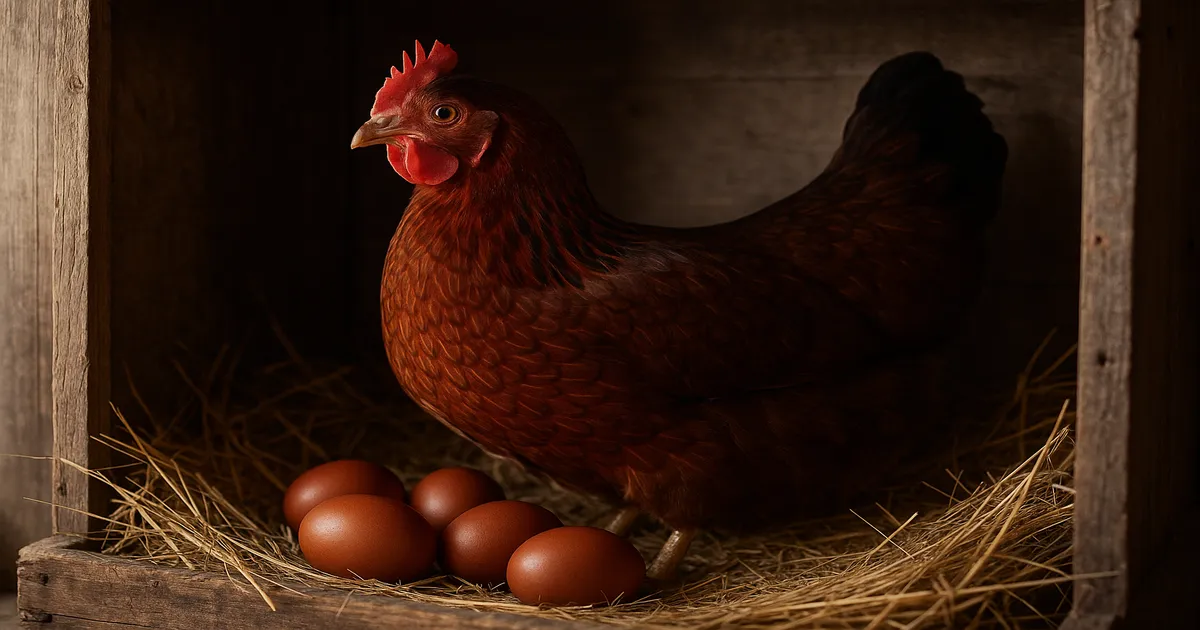
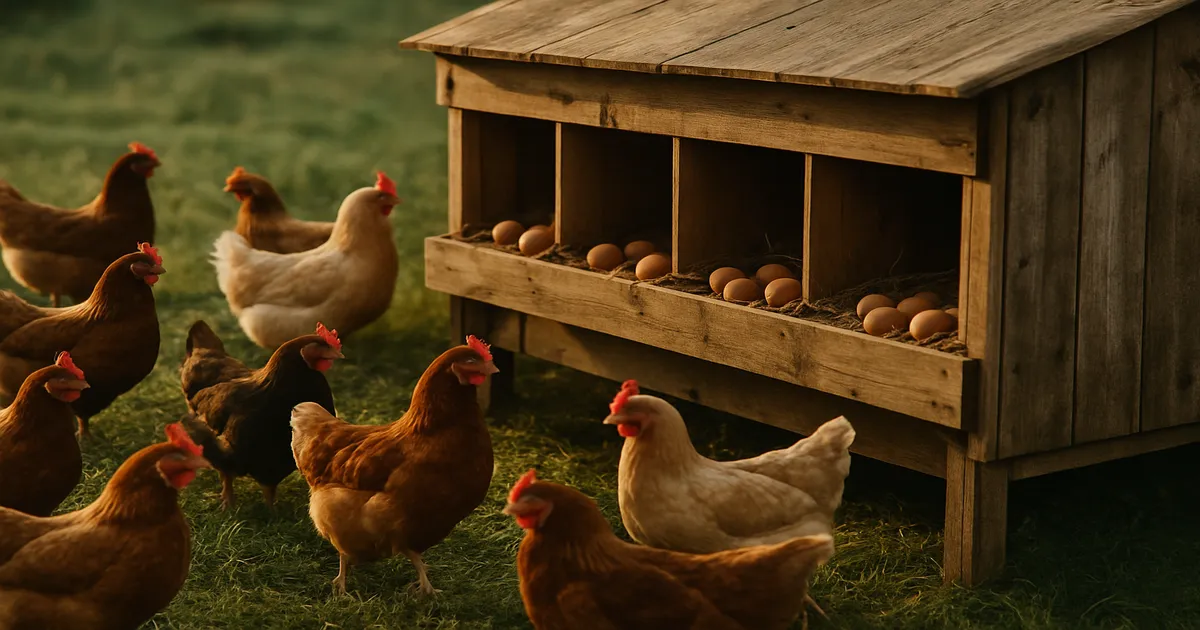
Plan on one nesting box per 3–4 hens. For Barred Rocks specifically, go with 14×14 inches rather than the standard 12×12 — these birds need the room. Keep boxes slightly darkened (hens prefer privacy for laying) and fill them with 3–4 inches of pine shavings or straw. Position boxes 18–24 inches off the floor.
Ventilation and Winter Hardiness
Ventilation is more important than insulation in nearly every climate. Moisture and ammonia buildup cause far more cold-weather problems than low temperatures do. Aim for roof-level vents that let humid air escape without creating drafts at bird level. If you can smell ammonia when you walk into the coop, ventilation is inadequate — levels above 25 ppm damage respiratory tissue. Keep interior humidity below 70%.
Barred Rocks handle cold well, tolerating temperatures down to 0°F (-18°C) in dry, draft-free conditions. Supplemental heat is generally unnecessary in most U.S. climates. The deep litter method — 4–6 inches of pine shavings turned regularly — generates a small amount of microbial heat and keeps the floor dry.
Predator-Proofing
- Use ½-inch galvanized hardware cloth on all openings and run panels — standard chicken wire stops nothing determined
- Bury an L-footer apron (hardware cloth extending 12 inches outward horizontally at the base of the run) to stop digging predators
- Install two-step latches or carabiner clips on all doors — raccoons open basic hook-and-eye latches with ease
- Cover the run completely with hardware cloth or welded wire to protect against hawks and owls
- An automatic coop door (ChickenGuard Extreme) set to close at dusk eliminates the most common cause of nighttime losses
Feeding and Nutrition
What to Feed Barred Rocks at Each Life Stage
| Life Stage | Feed Type | Protein % |
|---|---|---|
| Chicks (0–8 weeks) | Chick starter | 18–20% |
| Growers (8–16 weeks) | Grower/developer | 16–18% |
| Pre-lay pullets (16–18 weeks) | Flock raiser or layer transition | 16–18% |
| Laying hens (18+ weeks) | Layer pellets or crumbles | 15–18% |
| Molting hens | High-protein flock raiser + oyster shell | 18–20% |
A standard Barred Rock hen eats roughly ¼ lb (110–120 grams) of feed per day. Free-choice feeding — keeping feed available at all times — is the standard approach for laying hens. Pellets produce the least waste; crumbles work fine for smaller birds or chicks transitioning to adult feed. A good all-in-one layer pellet (Purina Layena+ Omega-3) covers most of your hens’ daily nutritional needs without much guesswork.
Calcium and Oyster Shell
Laying hens need 4–5 grams of calcium per day for strong eggshells. Most quality layer feeds include adequate calcium, but always offer free-choice crushed oyster shell in a separate container so hens can self-regulate. Don’t mix oyster shell into the feed — roosters, chicks, and non-laying birds don’t need the extra calcium, and excess can cause kidney damage over time.
Treats and Foods to Avoid
Keep treats to no more than 10% of total daily diet — too many scraps dilute the protein and calcium your hens need.
Good treat options:
- Mealworms (excellent during molt — high protein) (Hentastic Mealworm Treat)
- Leafy greens, squash, watermelon
- Cooked eggs, plain yogurt (in moderation)
Foods to avoid entirely:
- Avocado (contains persin — toxic to chickens)
- Chocolate and caffeine (toxic)
- Raw or dried beans (contain hemagglutinin)
- Salty foods (kidney damage risk)
- Anything moldy or rotten
Grit and Water
Confined birds must have free-choice insoluble granite grit available at all times — chickens have no teeth, and grit in the gizzard does the grinding. Don’t confuse grit with oyster shell: grit is insoluble (for grinding), oyster shell is soluble (for calcium). They serve completely different purposes.
Fresh water is non-negotiable. A laying hen drinks 0.5–1 pint (250–500 ml) per day, more in summer heat. In winter, use a heated waterer or check and refresh water 2–3 times daily to prevent freezing.
Common Health Issues in Barred Rock Chickens
Marek’s Disease
Marek’s disease is a highly contagious herpesvirus that causes paralysis, tumors, and death in young birds — typically between 2 and 5 months of age. There is no cure. The virus spreads through airborne dander and can survive in the environment for years, so vaccination is the only reliable protection. Most hatcheries offer the vaccine at hatch for $0.15–$0.50 per chick — always worth requesting. Note that vaccination prevents tumor development but does not prevent infection, so vaccinated birds can still shed the virus to unvaccinated flockmates.
Coccidiosis
Coccidiosis is caused by Eimeria protozoa and is most dangerous in chicks between 3–6 weeks of age. Watch for bloody or watery diarrhea, lethargy, hunched posture, and failure to thrive. Left untreated, it can be fatal. Treat with Amprolium (Corid) — 9.6% liquid solution at 2 tsp per gallon of drinking water for 5–7 days. Medicated chick starter contains amprolium as a preventive and is a practical choice for chicks not vaccinated against coccidiosis. Keeping the brooder dry and avoiding overcrowding dramatically reduces risk.
Mites and Lice
External parasites are common in backyard flocks. Inspect under the wings and around the vent weekly — look for tiny moving specks (mites), clusters of eggs at feather bases, or feather damage. Check roost bars at night with a flashlight for red roost mites. Treat active infestations with permethrin dust or spray, or Spinosad (Elector PSP) for a lower-toxicity option.
Prevention is easier than treatment. Provide a dust bath area — at minimum 12×12×6 inches per bird of dry soil, sand, or wood ash. Chickens instinctively dust bathe to control parasites, and a well-maintained dust bath significantly reduces infestation risk.
Bumblefoot
Bumblefoot is a Staphylococcus bacterial infection that enters through cuts or abrasions on the foot pad. The classic sign is a black scab on the bottom of the foot, often with swelling and lameness. It’s most commonly caused by rough roost bars, wire flooring, or heavy birds jumping from excessive heights — all preventable with proper coop setup.
Catch it early (Grade 1–2: soft swelling, minor scab) and you can often treat it at home with daily Epsom salt soaks and clean bandaging. More advanced cases require veterinary debridement. The best approach is prevention: appropriate roost bar height, diameter, and smooth surfaces.
Frequently Asked Questions About Barred Rock Chickens
What is a Barred Rock chicken, exactly?
A Barred Rock chicken is the Barred color variety of the Plymouth Rock breed — an American dual-purpose chicken developed in the mid-1800s. The name refers to the bird’s signature plumage: crisp black-and-white bars running across each feather. They’re prized for their calm temperament, reliable egg production, and adaptability to a wide range of climates and setups.
How many eggs does a Barred Rock chicken lay per year?
A healthy Barred Rock hen lays approximately 260 eggs per year, or 4–5 eggs per week under good conditions. This makes the Barred Rock one of the most productive dual-purpose breeds available, though dedicated laying breeds like Leghorns will still outpace them. Production naturally dips in winter and during the annual molt.
Are Barred Rock chickens good for beginners?
Yes — Barred Rock chickens are consistently ranked among the best breeds for beginners. Their calm, docile temperament means they tolerate handling well, rarely show aggression, and adjust easily to new environments. Combine that with strong egg production and cold hardiness, and you have a breed that forgives the inevitable learning curve of first-time chicken keeping.
What is the difference between a Barred Rock and a Plymouth Rock chicken?
A Barred Rock is a Plymouth Rock — specifically, the Barred color variety of the Plymouth Rock breed. Plymouth Rock is the official breed name recognized by the APA; Barred Rock describes the black-and-white barred plumage pattern. Because the Barred variety is by far the most common, the two names are used interchangeably in everyday conversation, but they refer to the same bird.
How long do Barred Rock chickens live?
With good care, Barred Rocks typically live 6–10 years. Peak egg production runs for the first 2–3 years, after which output gradually declines. Many backyard keepers keep their hens well past their prime laying years as flock companions — the breed’s calm temperament makes them easy to keep around even when they’re no longer productive layers.