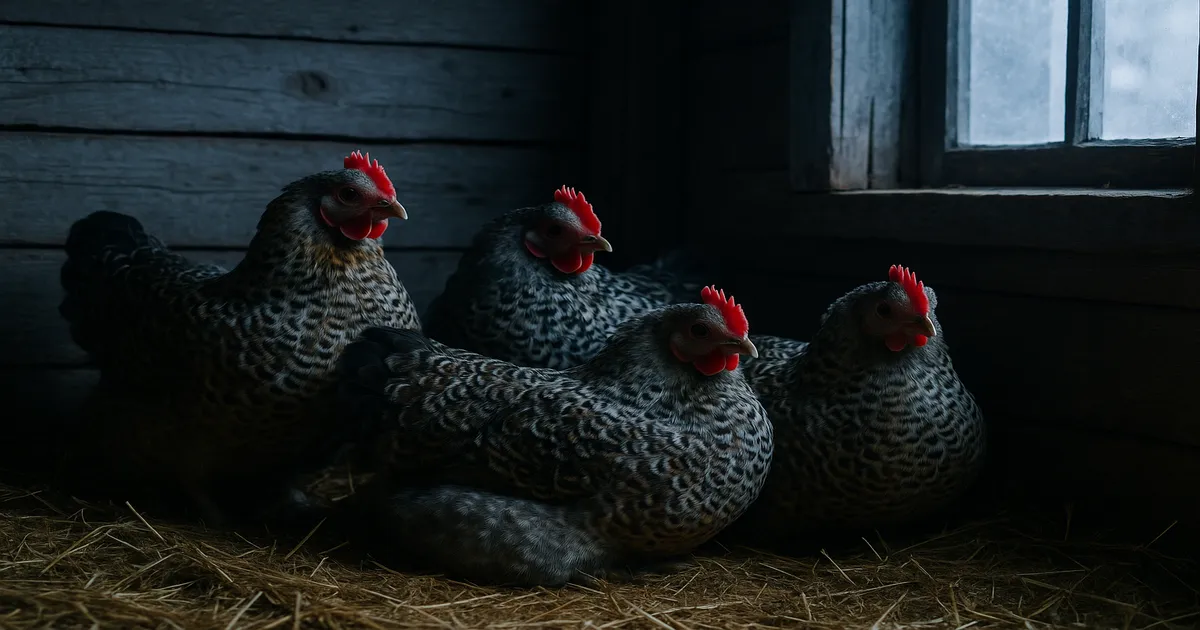
Quick Answer: Icelandic chickens are one of the world’s oldest landrace breeds, brought to Iceland by Norse settlers around 874 AD. They’re cold-hardy, independent foragers that lay roughly 150–200 white eggs per year and go broody readily. They thrive in free-range setups with experienced keepers who have plenty of space — they’re not the right fit if you want docile lap birds or maximum egg output.
If you’ve been asking around online — “does anyone have Icelandic chickens?” — you’ve probably noticed they’re not easy to find. Numbers in North America are still relatively small, and most keepers who have them are passionate advocates for the breed. That enthusiasm is warranted. Icelandics are genuinely fascinating birds: historically significant, biologically tough, and built for a life outdoors. But they come with real demands. This guide covers everything you need to know before you commit.
What Are Icelandic Chickens? A Quick Overview
Icelandics are a landrace breed — shaped by centuries of natural selection rather than human-directed breeding for a show standard. They arrived in Iceland with Norse settlers over 1,100 years ago and spent most of that time developing in near-total isolation. The result is a bird that is genetically distinct, remarkably self-sufficient, and very different in temperament from the breeds most North American keepers are used to.
They lay 3–4 eggs per week (white to cream shells, medium size), tolerate brutal winters without a heated coop, and will hatch and raise their own chicks if you let them. They also forage aggressively, fly over standard fencing, and have little interest in being handled.
Are Icelandic Chickens Right for You?
Good fit if you:
- Have open pasture or a large run
- Want a self-sufficient, low-input flock
- Are interested in heritage breed conservation
- Want a hen that will naturally hatch and raise chicks
Look elsewhere if you:
- Want maximum egg production (consider Leghorns or ISA Browns)
- Prefer calm, handleable birds for kids or beginners
- Have limited outdoor space
- Don’t want to manage broodiness
Does Anyone Have Icelandic Chickens? Breed History and Background
Viking Origins: Over 1,100 Years of Natural Selection
Norse settlers brought chickens to Iceland around 874 AD, likely sourced from Scandinavia and the British Isles. What happened next is unusual in poultry history: those birds spent over a millennium in geographic isolation, with no significant outside genetics introduced. No selective breeding programs, no breed standards, no industrial crossbreeding. The chickens that survived were simply the ones best adapted to Iceland’s harsh climate, short summers, and rough terrain.
That’s a very long time for natural selection to work, and it shows. Icelandics are genuinely cold-hardy, disease-resilient, and efficient foragers in a way that purpose-bred production birds simply aren’t.
Near Extinction and Conservation Efforts
By the mid-20th century, industrialization of Icelandic agriculture had nearly wiped out the native chicken population. Commercial breeds replaced traditional farm flocks, and the old landrace birds dwindled to dangerously low numbers. Conservation efforts began in earnest in the 1970s and continued through the 1990s, with dedicated Icelandic breeders working to locate and preserve surviving genetic lines. Today the breed holds conservation priority status with several heritage poultry organizations.
How Icelandic Chickens Arrived in North America
The breed’s presence in North America is largely thanks to Sigrid Arnott and Tom Wicker, who imported birds from Iceland between approximately 2002 and 2010. Those founding imports remain the genetic backbone of most North American flocks today. Because the total number of birds imported was relatively small, responsible breeding and lineage documentation remain critical to the breed’s long-term health on this continent.
What ‘Landrace’ Means and Why It Matters
A landrace is not a standardized breed. There is no American Poultry Association (APA) Standard of Perfection for Icelandics, and there shouldn’t be — the entire point is genetic diversity. Breeders actively maintain a wide range of colors, comb types, and body shapes rather than selecting for uniformity. If you buy Icelandics and your birds look different from each other, that’s correct. It’s also why sourcing from reputable conservation flocks matters: genetic diversity is a feature, but lineage integrity is still important.
Appearance and Temperament
Highly Variable Colors and Patterns — That’s Normal
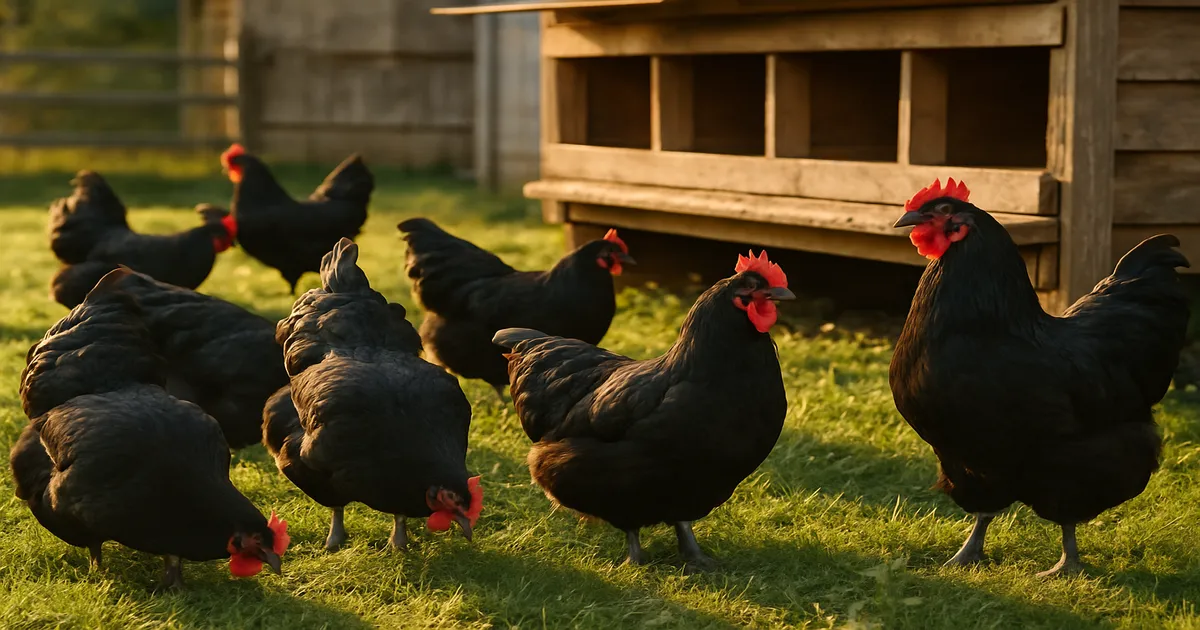
Icelandics come in an enormous range of colors and patterns: black, white, blue, splash, partridge, cuckoo, duckwing, and many combinations in between. Both single-comb and rose-comb birds occur within the landrace. If you’re expecting a uniform flock, you’ll be surprised — and for most keepers who love the breed, that surprise is part of the appeal.
Size, Body Type, and Physical Traits
These are medium-sized, athletic birds. Roosters typically weigh 5–6 lbs and hens 3.5–4.5 lbs. The body type is upright and lean — built for survival, not the show table. Feathering is dense and tight, well-suited to cold, wet conditions. Shanks are clean (unfeathered) and range from yellow to slate. Bright, alert eyes are a hallmark of a healthy bird.
Personality: Active, Independent, and Semi-Wild
Experienced keepers often describe Icelandics as “semi-wild” compared to breeds like Buff Orpingtons or Plymouth Rocks. They’re not aggressive toward people, but they’re not interested in human interaction either. They spend their days moving, foraging, and covering ground. Confining them to a small run leads to boredom and stress behaviors like feather-picking.
One practical note: they can fly. A standard 4-foot fence will not contain them. Plan for 6-foot fencing at minimum, or clip flight feathers regularly.
Rooster Behaviour and Flock Dynamics
Icelandic roosters are assertive and take their flock guardian role seriously. Most keepers find them manageable with consistent handling from a young age, though they’re not pushovers. Hens are attentive, protective mothers — their strong brooding instinct is one of the breed’s most valued traits for keepers who want a self-sustaining flock.
Egg Production: How Many Eggs Do Icelandic Chickens Lay?
Expect 150–200 eggs per year, or roughly 3–4 eggs per week per hen under good conditions. That’s solid for a heritage landrace breed, though it doesn’t compete with production breeds — a Leghorn will give you 280–320 eggs annually. Hens from strong laying lines can push toward 200–220 eggs; hens from broody-heavy lines may land closer to 120–150.
Eggs are medium-sized, typically 1.75–2.0 oz (50–57g). Shell color is white to off-white cream — somewhat unusual among heritage breeds, which tend toward brown. Hens with pasture access produce eggs with noticeably rich, deeply colored yolks. Pullets typically start laying at 18–22 weeks, a bit later than production breeds but earlier than heavy heritage breeds like Jersey Giants.
Seasonal Drops, Winter Laying, and the Annual Molt
Without supplemental lighting, expect a 40–60% drop in production during the shortest winter days (November through January in most of North America). Spring and summer are peak season — hens will often lay 4–5 days per week during long daylight hours. The annual molt, usually September through November, halts egg production entirely for 6–10 weeks.
To maintain winter production, add a simple timer-controlled light to bring total daily light to 14–16 hours.
Managing Broodiness to Protect Egg Production
Broodiness is one of the most defining traits of the Icelandic hen. A dedicated broody hen stops laying entirely — sometimes for weeks — and will go broody multiple times per season if you don’t intervene. For keepers who want to hatch chicks naturally, this is a genuine asset. Icelandic hens are outstanding setters and mothers.
If egg production is your priority, break broody cycles promptly. The most effective method is a broody-breaker cage: an elevated wire-bottomed cage with food and water, no nesting material, positioned where the hen gets good airflow. Most hens break within 3–5 days.
Coop and Housing Requirements for Icelandic Chickens
Indoor Space and Outdoor Run
The standard minimum of 4 sq ft per bird is a workable floor for most breeds, but Icelandics do better with more room — aim for 6 sq ft per bird indoors. These birds are active and stress easily when crowded, and a cramped coop leads to feather-picking, aggression, and reduced laying. For the outdoor run, the standard minimum is 10 sq ft per bird, but Icelandics genuinely thrive on open pasture. Rotational grazing on 1/4 acre or more for every 10–12 birds is ideal when space allows. Good pasture can supply 20–30% of their diet, which meaningfully reduces feed costs.
Roost Bars, Nesting Boxes, and Ventilation
- Roost diameter: 1.5–2 inches — allows a natural grip without fully wrapping the foot, which reduces frostbite risk
- Roost height: 18–36 inches off the floor; Icelandics will use higher roosts readily
- Linear spacing: 8–10 inches per bird minimum; keep the lowest roost at least 12 inches above nesting boxes to discourage hens from sleeping in them
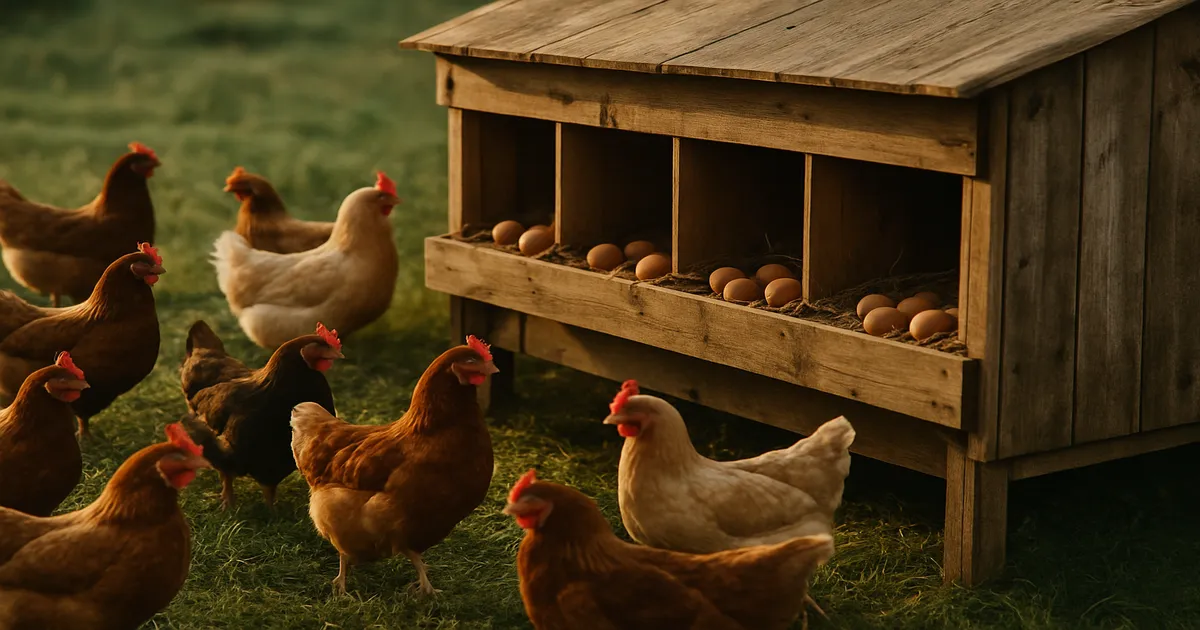
- Nesting boxes: one box per 4–5 hens; given how frequently Icelandic hens go broody, a few extra boxes prevent bottlenecks. Standard 12×12×12-inch boxes lined with pine shavings or straw work well.
Good ventilation is the single most important coop feature. The baseline is 1 sq ft of ventilation per 10 sq ft of coop floor space, positioned high on the walls or at the ridge so stale air escapes without creating cold drafts at bird level. Cover all openings with hardware cloth, not chicken wire, and keep vents open year-round — moisture is more dangerous to chickens than cold.
Cold-Hardy but Not Heatproof
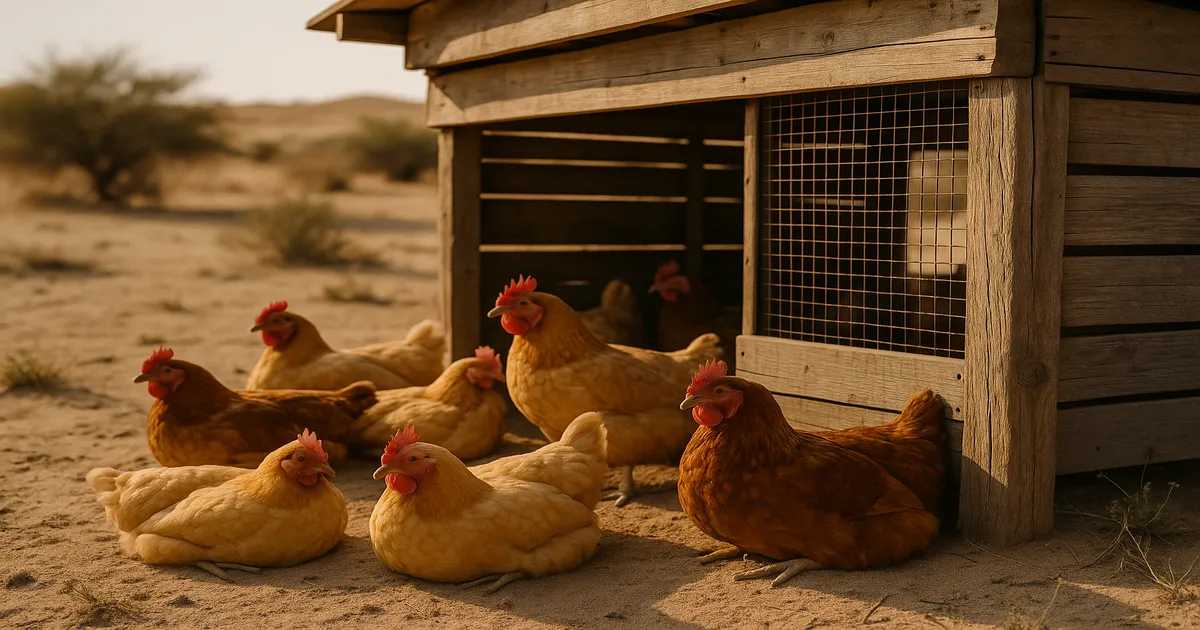
Icelandics handle cold impressively well, tolerating temperatures down to 0°F (-18°C) without supplemental heat when properly housed. Skip the heat lamp — it’s a fire risk, and these birds don’t need it. In hot climates with sustained temperatures above 90°F (32°C), focus on shade, airflow, and cold water rather than mechanical cooling.
Predator-Proofing Essentials
- Use 1/2-inch hardware cloth on all openings — chicken wire stops nothing larger than a mouse
- Extend a 12–18 inch hardware cloth apron outward from the coop base to stop digging predators
- Install an automatic coop door that closes at dusk
- Build walls and floors from solid wood or metal with no gaps larger than 1/2 inch
Feeding and Nutrition
Layer Feed, Protein, and Calcium
Feed laying hens a complete layer feed at 16–18% protein. Good options include Purina Layena, Nutrena NatureWise, or Scratch and Peck for those preferring organic. During the molt, bump protein to 18–20% by switching temporarily to a flock raiser or grower feed — the extra protein supports faster feather regrowth.
Layer feed contains roughly 3.5–4.5% calcium, which covers most hens’ needs. Still, offer free-choice oyster shell in a separate container at all times — hens self-regulate based on what their bodies need. Never mix oyster shell into feed that roosters or chicks eat, as excess calcium damages kidneys.
Foraging, Treats, and Grit
On good pasture, Icelandics can source 20–30% of their nutrition through foraging — insects, seeds, greens, and grit. That translates directly to lower feed costs and richer egg yolks.
Stick to the 10% rule for treats: they shouldn’t exceed 10% of total daily intake. Safe options include leafy greens, watermelon, berries, mealworms, black soldier fly larvae, and cooked oatmeal. Avoid avocado, chocolate, onions, raw dried beans, salty foods, and anything moldy. Scratch grains are a treat, not a staple — they dilute protein and can cause weight gain in confined birds. A small handful in the evening during winter helps generate overnight body heat, but keep it modest.
Offer insoluble grit (granite or flint) free-choice in a separate container from oyster shell. Birds on pasture often pick up adequate grit naturally; confined birds need it provided. Use chick-grade grit for birds under 8 weeks, standard poultry grit for adults.
Daily Feed and Water Amounts
- Feed: approximately 3.5–4.5 oz (100–130g) per hen per day on a complete layer ration; drops to 2.5–3.5 oz on good pasture
- Water: 0.5–1 pint (240–480ml) per hen per day; more during hot weather or peak laying
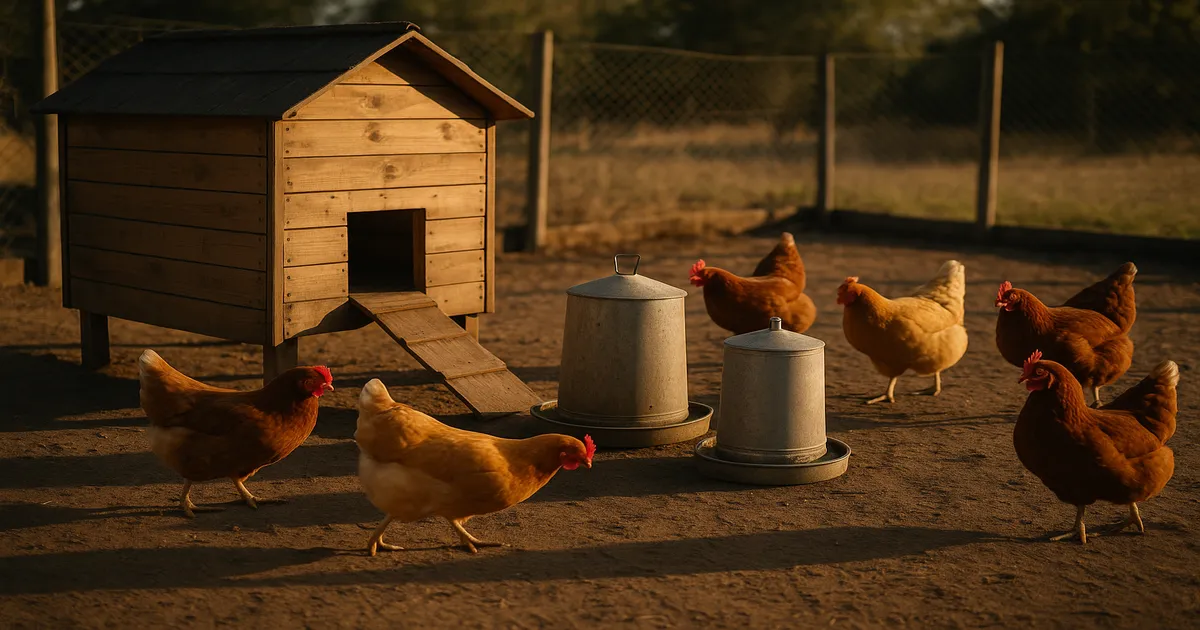
- Use hanging or treadle feeders to reduce waste and deter rodents
- Fresh, clean water is non-negotiable — production drops noticeably within hours of water being unavailable
Health, Common Diseases, and Biosecurity
Marek’s Disease
Marek’s is a highly contagious herpesvirus that causes paralysis, tumors, and death. Vaccinate all chicks at hatch — the vaccine costs around $0.15–$0.25 per dose and is widely available. Some evidence suggests Icelandics may carry greater genetic resilience than highly inbred production breeds, but that’s not a reason to skip vaccination. The vaccine prevents tumor development, not infection, so vaccinated birds can still carry and shed the virus.
Coccidiosis
Coccidiosis is caused by Eimeria protozoa in soil and is most dangerous in chicks aged 3–6 weeks. Watch for bloody or watery droppings, lethargy, hunched posture, and pale combs. Treat with Amprolium (Corid) — 9.6% solution at 2 tsp per gallon of water for 5–7 days. Medicated chick starter contains a preventive dose of amprolium. Adult birds typically develop immunity through gradual exposure; keep brooders dry and avoid overcrowding.
External Parasites: Mites and Lice
Check regularly at the feather bases and under wings. Signs include excessive preening, feather damage, pale combs from anemia, and visible insects or dark “pepper” residue at the feather shafts. Treat with permethrin dust or spray, and treat the entire coop and all birds simultaneously — red mites live in roost crevices, not just on birds. Inspect roost bars at night with a flashlight. Regular dust bathing access (dry dirt or sand with wood ash) helps prevent infestations.
Bumblefoot
Bumblefoot is a staph infection that enters through cuts on the foot pad — often caused by rough roost surfaces or hard landings from excessive height. Look for swelling, a black scab on the sole, and lameness. Early cases respond to daily Epsom salt soaks (1 tbsp per quart of warm water) and wound treatment with Vetericyn or plain Neosporin (without pain-relief additives), wrapped with vet wrap. Sand rough roost edges and keep bedding reasonably dry to prevent it.
Respiratory Infections
The most common culprits are Mycoplasma gallisepticum, Infectious Bronchitis, and Newcastle Disease. Symptoms include rattling breath, nasal discharge, swollen sinuses, coughing, and reduced laying. Tylosin (Tylan) addresses Mycoplasma; get a vet diagnosis before treating. The single most effective prevention is excellent coop ventilation — damp, ammonia-heavy air is the primary driver of respiratory problems in backyard flocks.
Vaccination Schedule at a Glance
| Vaccine | Timing | Method |
|---|---|---|
| Marek’s Disease | Day 1 at hatch | Subcutaneous injection |
| Newcastle / IB (combo) | 1–3 weeks | Eye drop or water |
| Fowl Pox | 8–12 weeks | Wing web stab |
| Infectious Laryngotracheitis (ILT) | If regional risk | Eye drop |
Check with your state veterinarian or local extension office for region-specific recommendations.
Biosecurity Practices
- Quarantine all new birds for 30 days in a completely separate space before flock introduction
- Source from NPIP-certified flocks whenever possible
- Change footwear before entering the coop, and limit visitor access during disease outbreaks in your region
- Remove and dispose of dead birds promptly — do not compost birds that died from unknown causes
Does Anyone Have Icelandic Chickens? Where to Find Them
Finding Icelandic chickens takes more effort than ordering from a large hatchery. Your best starting points are:
- The Icelandic Chicken Association of North America — maintains a breeder directory and prioritizes genetic diversity
- Small-flock heritage breeders — search Facebook groups and forums dedicated to Icelandic chickens; keepers are generally willing to share waitlists and contacts
- NPIP-certified local breeders — always preferable to unverified sources for biosecurity reasons
- Hatching eggs — if you have an incubator or a broody hen, purchasing hatching eggs from a reputable breeder is often the most accessible entry point
Expect waitlists, especially in spring. This is not a breed you can impulse-buy from a feed store bin.
Frequently Asked Questions About Icelandic Chickens
Are Icelandic chickens good for beginners? Generally, no. Their flightiness, strong brooding instinct, and need for space make them better suited to experienced keepers. If you’re new to chickens, start with a calmer breed and revisit Icelandics once you have a season or two under your belt.
Do Icelandic chickens need a heated coop in winter? No. They’re one of the most cold-hardy breeds available and handle temperatures well below freezing without supplemental heat. Focus on dry bedding, good ventilation, and draft-free roost bars instead. Heat lamps are a fire hazard and create dependency that makes birds less resilient.
How many eggs do Icelandic chickens lay per week? Expect 3–4 eggs per week per hen during peak season, dropping significantly in winter without supplemental lighting. Annual totals typically range from 150–200 eggs depending on the hen’s lineage and management.
Can Icelandic chickens live with other breeds? Yes, with some caveats. Their active, assertive nature means they can outcompete calmer breeds at the feeder and may be difficult to contain in a mixed flock if fencing isn’t adequate. Introductions should be gradual, with plenty of space for lower-ranking birds to escape.
How long do Icelandic chickens live? With good care, 6–8 years is typical. Hens remain productive layers for 3–4 years, after which production declines but doesn’t stop entirely. Their genetic hardiness means they’re less prone to the reproductive disorders that shorten the lives of high-production breeds.