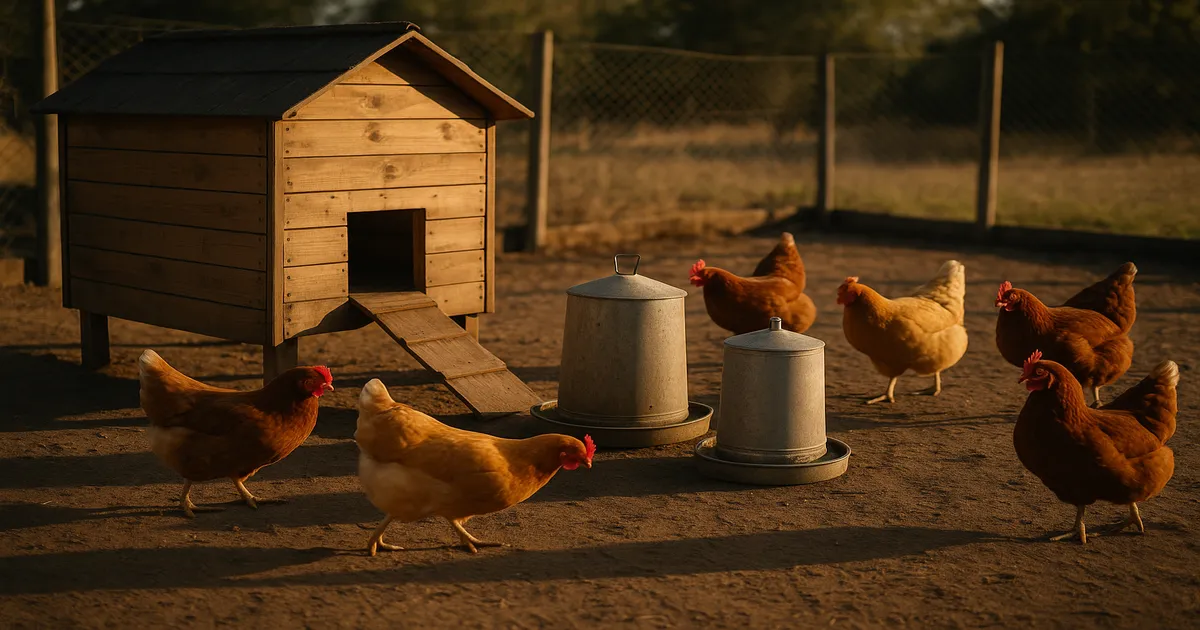
Quick Answer: Raising a small backyard flock of 4–6 hens costs roughly $500–$3,000 in the first year (chicks, coop, and setup) and $200–$600+ annually after that. Chickens rarely save you money compared to buying store eggs, but the quality, freshness, and satisfaction are genuinely hard to put a price on.
So you’re wondering how much do chickens cost to raise — and you want an honest answer, not a rosy one. The truth is that costs vary wildly based on breed, coop choice, feed quality, and how much you’re willing to DIY. This guide breaks down every major expense so you can build a realistic budget before you buy your first chick.
How Much Does It Cost to Raise Chickens? The Full Breakdown
Upfront Costs at a Glance
| Item | Typical Cost Range |
|---|---|
| Chicks (per bird) | $2–$200+ depending on breed |
| Starter coop (kit) | $150–$2,000 |
| DIY coop build | $200–$800 |
| Brooder setup (heat lamp, feeder, waterer) | $30–$75 |
| First-year feed and supplies | $100–$300 |
| Total first-year estimate (4–6 hens) | $500–$3,000+ |
Ongoing Annual Costs at a Glance
Once the coop is built and the flock is established, a 4–6 hen flock typically runs $200–$600 per year. Feed is the biggest line item, followed by bedding, health supplies, and occasional equipment replacement.
Is Raising Chickens Cheaper Than Buying Eggs?
Almost certainly not — at least not in a strict dollars-and-cents comparison. When you factor in coop costs, feed, and the inevitable vet visit or predator loss, your backyard eggs will cost more per dozen than store-bought. What you’re really paying for is freshness, quality, the knowledge of exactly what your birds eat, and a genuinely rewarding hobby.
Upfront Costs: Buying Your First Chickens
Chick Prices by Breed
Breed choice is the single biggest variable in both upfront cost and long-term expenses. Here’s a quick snapshot:
| Breed | Chick Price | Eggs/Year | Egg Color |
|---|---|---|---|
| Leghorn | $2–$5 | 280–320 | White |
| Rhode Island Red | $3–$6 | 250–300 | Brown |
| Buff Orpington | $4–$7 | 175–200 | Brown |
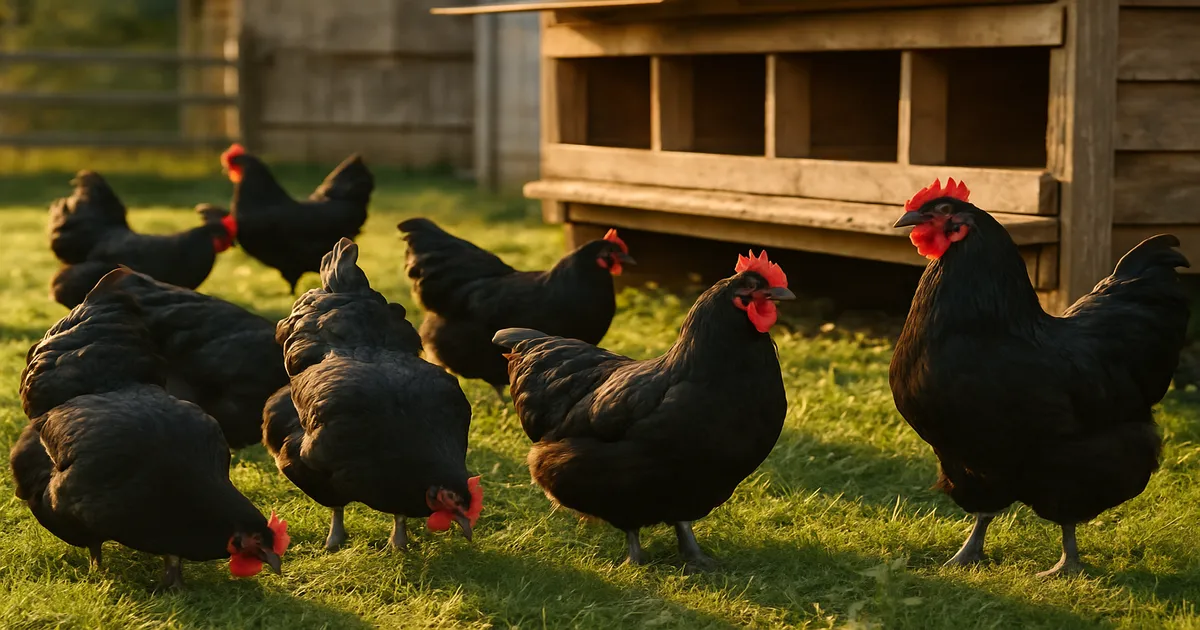
| Australorp | $4–$7 | 250–300 | Brown |
| Easter Egger | $4–$8 | 200–280 | Blue/green/pink |
| Silkie | $5–$15 | 100–120 | Cream/tinted |
| Black Copper Marans | $8–$25 | 150–200 | Dark chocolate brown |
| Ayam Cemani | $50–$200+ | 60–100 | Cream |
If your goal is eggs at a reasonable cost, a Leghorn or Australorp gives you the best return per dollar spent on feed. Rare and ornamental breeds like the Ayam Cemani are a passion purchase — striking birds, but they cost more upfront and produce far fewer eggs.
Day-Old Chicks vs. Pullets vs. Adult Hens
Day-old chicks ($2–$25 each) are the cheapest entry point, but you’ll spend 4–6 weeks managing a brooder and another 4–6 months waiting for eggs. Budget $30–$75 for brooder setup — a heat plate is safer than a heat lamp and worth the small extra cost. (Brinsea EcoGlow Safety 600)
Started pullets (12–20 weeks old, $15–$40 each) cost more per bird but skip the brooder phase entirely and reach laying age much sooner. For most beginners, they represent the best overall value.
Adult laying hens ($20–$50+ each) give you immediate egg production but come at the highest per-bird price — and you rarely know their full health history.
Where to Buy Chickens
Hatcheries offer the widest breed selection and typically include Marek’s vaccination, but most require a minimum order of 3–25 chicks. Feed stores sell chicks seasonally (usually spring) at slightly higher prices with no minimums. Local breeders charge the most but are the best source for quality birds of rare or show breeds. For most beginners, a reputable hatchery or a well-reviewed local feed store is the sweet spot.
Coop and Housing Costs: Your Biggest One-Time Investment
How Much Space Do Chickens Really Need?
Plan for at least 4 sq ft per bird inside the coop and 10 sq ft per bird in the run. Overcrowding is the number one cause of pecking, disease, and stress — and the number one temptation for budget-conscious beginners. For a starter flock of 4–6 hens, that means a coop of at least 16–24 sq ft and a run of 40–60 sq ft minimum.
DIY vs. Kit vs. Custom Build: Cost Comparison
| Coop Type | Cost Range |
|---|---|
| DIY build | $200–$800 |
| Small kit coop (2–4 birds) | $150–$400 |
| Medium kit coop (4–8 birds) | $400–$900 |
| Quality pre-built (8–12 birds) | $800–$2,000 |
| Custom build or shed conversion | $1,000–$5,000+ |
A well-planned DIY build almost always gives you the most space for the money. If you go the kit route, budget more than you think you need — quality hardware cloth and predator-proofing add up fast.
One critical warning about kit coops: a coop marketed as housing “8 chickens” typically provides adequate space for 3–4 birds. Manufacturers use bare-minimum square footage figures, and the resulting overcrowding leads to stressed, sick birds. Always measure the actual interior dimensions before you buy.
Essential Coop Features That Affect Cost
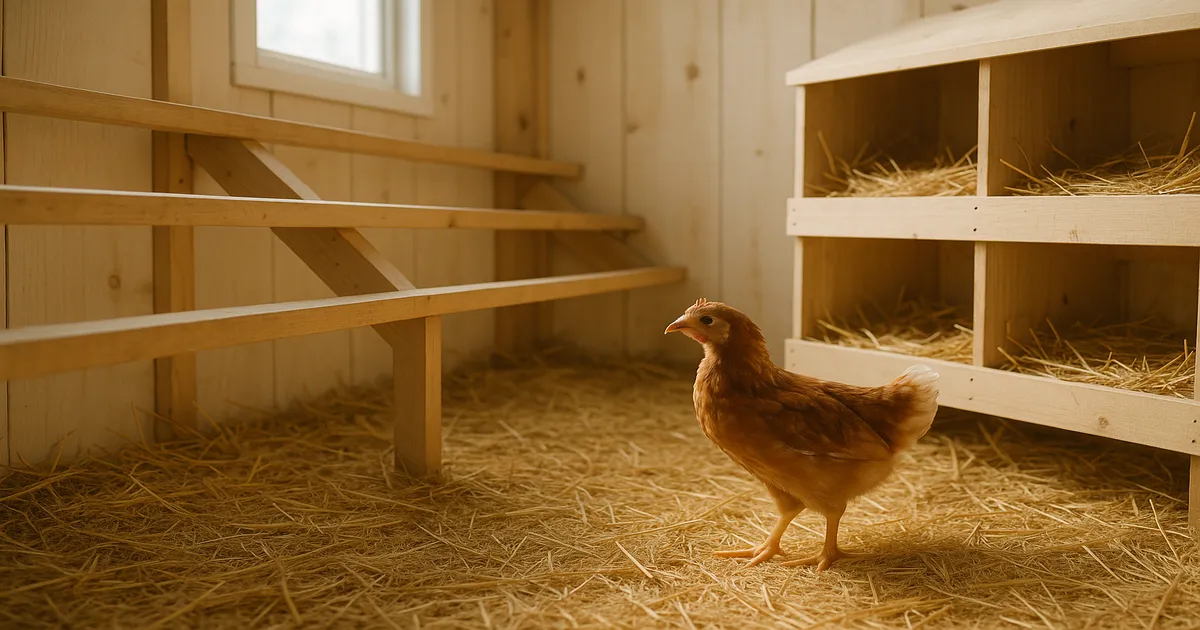
- Roost bars: Allow 8–12 inches of linear space per bird. Use 2×4 boards laid flat — hens can cover their toes in cold weather, which dramatically reduces frostbite risk. Round dowels are cheaper but inferior.
- Nesting boxes: One box per 3–4 hens, minimum 12×12 inches. Mount them lower than roost bars so hens don’t sleep (and poop) in them.
- Ventilation: At least 1 sq ft of venting per 10 sq ft of floor space, positioned near the roofline. Ammonia buildup from droppings is a leading cause of respiratory illness — don’t skimp here.
Predator-Proofing: What You Can’t Afford to Skip
Use ½-inch welded hardware cloth on all openings — not standard chicken wire, which keeps chickens in but won’t stop a determined raccoon or weasel. Extend an apron skirt of hardware cloth 12–18 inches horizontally along the base of the run to stop diggers. Use two-step latches or carabiner clips on all doors; raccoons can open a simple hook-and-eye latch in seconds.
An automatic coop door is one of the best investments you can make. It closes at dusk and opens at dawn, eliminating the single most common cause of catastrophic predator losses. (ChickenGuard Extreme)
Feed Costs: The Biggest Ongoing Expense When Raising Chickens
How Much Do Chickens Eat?
A laying hen eats about ¼ lb of feed per day — roughly 90–100 lbs per year. That’s your baseline for every cost calculation that follows.
Feed Types by Life Stage
| Life Stage | Feed Type | Protein % |
|---|---|---|
| 0–8 weeks | Chick Starter | 18–22% |
| 8–18 weeks | Grower/Developer | 15–18% |
| 18+ weeks / first egg | Layer Feed | 16–18% |
| During molt | Flock Raiser or high-protein supplement | 20–22% |
Conventional vs. Organic Feed
Conventional layer feed runs $15–$25 per 50-lb bag. Organic or non-GMO feed runs $25–$45 per 50-lb bag — roughly double. That translates to an annual feed cost of $30–$45 per hen (conventional) or $55–$90 per hen (organic). If clean, organic eggs are your whole reason for keeping chickens, the upgrade makes sense. Otherwise, a quality conventional layer feed does the job.
Ways to Reduce Feed Costs Without Sacrificing Health
Free-ranging cuts feed consumption by 20–30% during warm months when forage is plentiful. Fermented feed — soaking feed for 2–3 days before serving — increases nutrient bioavailability and can reduce consumption by 15–20%. A treadle feeder opens only when a bird steps on the platform, cutting waste dramatically and deterring rodents.
Keep scratch grains as a treat only. They’re high in carbs and low in protein, and overfeeding them leads to obese, underperforming hens. Follow the 10% treat rule: treats of any kind shouldn’t exceed 10% of total daily intake.
Grit, Oyster Shell, and Supplements
Confined hens need insoluble grit (granite) free-choice so their gizzards can grind food. A 5-lb bag runs $5–$10 and lasts a small flock for months. For calcium, offer oyster shell free-choice in a separate dish — hens self-regulate their intake. Alternatively, bake and crush your own eggshells at 250°F (121°C) for 10 minutes. It’s free and works just as well.
Egg Production: Calculating Your Real Return
When Do Chickens Start Laying?
- Production breeds (Leghorn, Rhode Island Red, Australorp): 16–20 weeks
- Heritage/dual-purpose breeds (Plymouth Rock, Buff Orpington): 20–24 weeks
- Ornamental/heavy breeds (Silkie, Marans, Ayam Cemani): 24–30 weeks
Every week before first lay is a week of feed with zero return. A Silkie that doesn’t lay until 28 weeks has eaten roughly 12 lbs of feed before producing a single egg.
How Egg Production Declines With Age
| Year | Production Level |
|---|---|
| Year 1 | 80–95% of peak |
| Year 2 | Down 15–20% from peak |
| Year 3 | Down another 15–25% |
| Year 4+ | 40–60% of peak, or less |
Hens eat the same amount regardless of how many eggs they’re laying. This is the financial reality that catches beginners off guard — aging birds are full-cost dependents.
Seasonal Laying and Supplemental Lighting
Without supplemental light, hens need 14–16 hours of daylight to maintain production. In winter, expect a 50–80% drop. A simple 9–11 watt LED bulb on a timer, providing a consistent 14–16 hours of total light, keeps production near peak year-round. Cost: roughly $0.50–$2.00 per month in electricity — one of the highest-return investments in chicken keeping.
Broodiness: The Hidden Productivity Killer
A broody hen stops laying entirely for 3–8 weeks. Breeds like Buff Orpington, Silkie, Cochin, and Brahma go broody regularly. A Buff Orpington that goes broody twice in a year can lose 30–50 eggs compared to her potential output — while still eating full rations. If maximum egg production is your goal, stick with low-broodiness breeds like Leghorns, Rhode Island Reds, or Australorps.
Health Care Costs
Routine Preventive Care
Most routine chicken health care is inexpensive and DIY-friendly. The biggest preventive measure is biosecurity — quarantine new birds for 30 days before introducing them to your flock, keep the coop clean and dry, and manage rodents that carry disease.
Marek’s disease vaccination is often included in hatchery pricing or costs $0.10–$0.25 per chick if purchased separately. It’s absolutely worth it. Marek’s is widespread, highly contagious, and fatal.
Common Illnesses and Treatment Costs
- Mites and lice: Treated with permethrin dust or spray, $10–$30 per treatment
- Coccidiosis: Treated with Corid (amprolium) in drinking water, around $10–$15 per course
- Respiratory infections: Often require antibiotics — diagnosis and treatment can run $30–$80+ depending on whether you visit a vet
- Bumblefoot: A staph infection of the foot pad, often managed at home with Vetericyn and careful bandaging
- Egg binding: A hen unable to pass an egg is a genuine emergency requiring prompt intervention
When to Call a Vet
Avian vets who see backyard chickens are scarce, and visits typically run $50–$150+. Many experienced keepers handle minor issues at home using a well-stocked first-aid kit. That said, if a bird is suffering and you’re unsure, a vet call is always the right move.
Budget $30–$60 for a basic first-aid kit: Vetericyn wound spray, Corid, permethrin dust, electrolyte powder, disposable gloves, and saline solution with gauze.
Seasonal and Ongoing Costs Beginners Often Miss
Winter Care
A heated waterer is non-negotiable in freezing climates — hauling warm water multiple times a day gets old fast. Cold-hardy breeds like Rhode Island Reds and Plymouth Rocks handle temperatures down to 0°F (−18°C) without supplemental heat. Cold-sensitive breeds with large single combs — Leghorns, for example — may need a flat-panel radiant heater ($30–$80) in extreme cold. Avoid heat lamps in the coop entirely; they are a serious fire hazard around dry bedding and feathers.
Bedding and Coop Maintenance
Pine shavings or straw run roughly $5–$15 per month for a small flock. The deep litter method — building up layers of bedding over the season and turning it regularly — reduces how often you fully clean the coop and cuts bedding costs meaningfully. Full cleanouts in spring and fall are still necessary regardless of method.
Replacing Aging Hens
Hens live 5–10 years but peak for only 2–3. At some point, every keeper faces the question: cull, rehome, or carry aging birds as “pets who occasionally lay”? There’s no right answer, but there is a real cost to feeding non-laying birds — roughly $30–$90 per bird per year in feed alone.
Annual Cost Summary: What a 4–6 Hen Flock Really Costs
| Expense | Annual Estimate |
|---|---|
| Feed (4–6 hens, conventional) | $120–$270 |
| Feed (4–6 hens, organic) | $220–$540 |
| Bedding | $60–$180 |
| Health supplies and first aid | $30–$80 |
| Supplemental lighting (winter) | $6–$24 |
| Miscellaneous (equipment, repairs) | $30–$100 |
| Total (conventional feed) | ~$246–$654/year |
Frequently Asked Questions: How Much Do Chickens Cost to Raise?
How much does it cost to raise a chicken per year?
A single laying hen costs approximately $30–$90 per year in feed alone, depending on whether you use conventional or organic feed. Add bedding, health supplies, and a share of equipment costs, and the realistic all-in figure is $50–$150 per bird per year for most small flocks.
Is it cheaper to raise your own chickens or buy eggs from the store?
Buying eggs from the store is almost always cheaper in pure dollar terms, especially once you factor in coop costs and feed. Backyard eggs typically cost $3–$8+ per dozen to produce when all expenses are honestly accounted for. The real value lies in egg quality, freshness, knowing exactly what your birds eat, and the experience itself — not in grocery savings.
What is the cheapest chicken breed to raise for eggs?
The Leghorn is the most cost-efficient egg-laying breed available. At $2–$5 per chick, with an excellent feed-to-egg conversion ratio and 280–320 white eggs per year, no other breed comes close on a pure cost-per-egg basis. The trade-off is temperament — Leghorns are flighty and less friendly than dual-purpose breeds like Rhode Island Reds or Australorps.
How long before chickens pay for themselves?
Realistically, never — if you’re counting the coop. If you exclude the one-time setup costs and focus only on ongoing expenses, a productive hen producing 250+ eggs per year at a feed cost of $30–$45 can approach break-even against premium store eggs ($4–$6/dozen). Most keepers recoup ongoing feed costs within 1–2 years of peak production, but the initial investment rarely pays back fully.
Do chickens cost a lot to keep in winter?
Winter adds modest costs — a heated waterer ($30–$80 one-time), slightly more feed as birds burn calories staying warm, and a few dollars per month in electricity for supplemental lighting. For most small flocks in cold climates, expect to add $30–$60 to your winter monthly costs compared to summer. Choose cold-hardy breeds and you won’t need to heat the coop itself.