Quick Answer: As a first-time chicken owner, most of what’s alarming you is probably completely normal. Dust bathing looks like a seizure, sunbathing looks like death, and molting looks like your hen is falling apart — none of it is cause for panic. Learn the genuine red flags (bloody diarrhea, labored breathing, sudden death), and you’ll spend a lot less time worrying.
If you’ve found yourself Googling “should I be concerned? first time chicken owner” at midnight, welcome to the club. Almost every new flock keeper goes through a phase of quiet terror — convinced something is terribly wrong — only to discover their chicken was just taking a dirt bath. This guide covers what’s genuinely normal, what actually warrants action, and everything in between: breeds, housing, feeding, health, and eggs.
Should I Be Concerned? What First-Time Chicken Owners Actually Need to Know
Most Alarming Chicken Behaviors Are Completely Normal
The single most important thing to internalize early: chickens are dramatic. They flop, they molt, they make disturbing sounds, and they produce droppings that look like something went terribly wrong. In most cases, nothing did.
Behaviors that send new owners into a panic — dust bathing, sunbathing, molting, a bulging crop — are all healthy and normal. Give yourself a few weeks of observation before jumping to conclusions.
When You Actually Should Act Fast
Some signs do require immediate attention:
- Bloody diarrhea (especially in chicks 3–6 weeks old) — could be coccidiosis
- Labored or rattling breathing, gurgling, or nasal discharge
- Sudden death with no prior symptoms
- Pale or blue comb combined with lethargy and not eating
- Swollen face or eyes
- Leg or wing paralysis in young birds
If you’re seeing any of these, act fast. For everything else, read on.
Weird Chicken Behaviors That Are Totally Normal
Dust Bathing: Why Your Chicken Looks Like It’s Having a Seizure
Dust bathing is how chickens clean themselves and control external parasites. They dig a shallow depression, fling dirt over themselves, and writhe around with what can only be described as unhinged enthusiasm. It looks alarming. It is completely fine.
If you don’t provide a dedicated spot, they’ll make one in your garden. A shallow container filled with dry dirt or sand works well — some keepers add a small amount of food-grade diatomaceous earth to help deter mites. (Grandpa’s Best Chicken Dust Bath Box)
Sunbathing With a Wing Spread Out
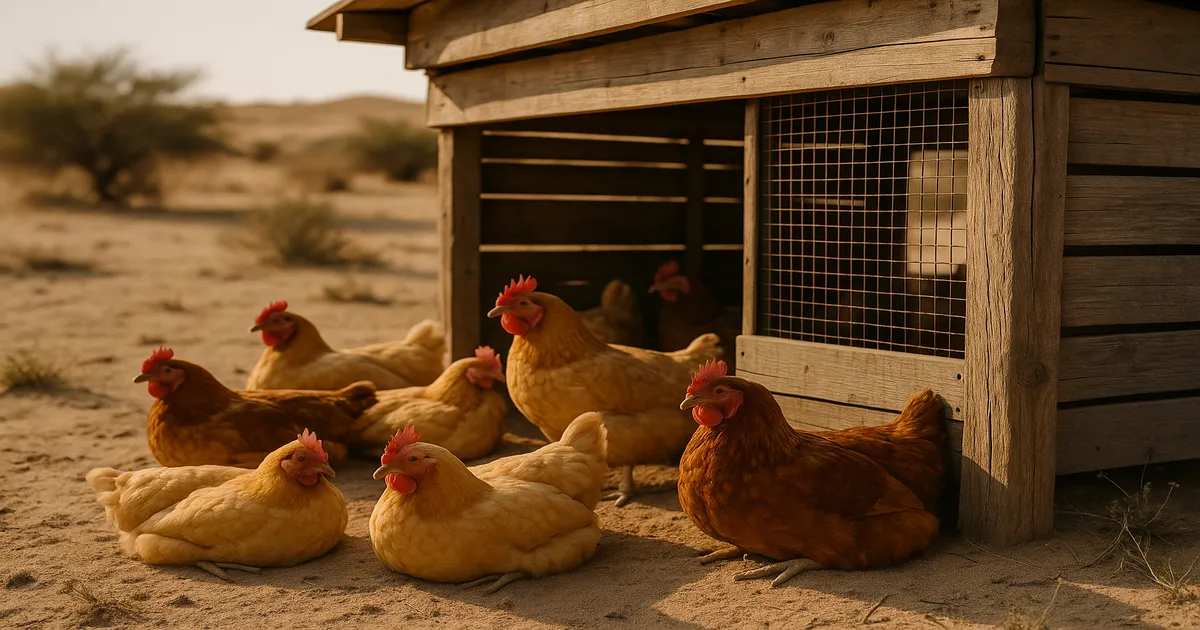
This one gets new owners every time. A hen lying on her side in the sun, one wing fanned out, eyes half-closed — she looks dead or seriously injured. She is neither. She’s thermoregulating and enjoying herself. The giveaway that she’s fine: she’ll startle and run if you approach. A genuinely sick bird won’t react that way.
Molting: Dramatic Feather Loss That Looks Alarming
Once a year — usually in fall — hens shed their old feathers and grow new ones. During a heavy molt, your bird can look genuinely terrible: patchy, naked in spots, with visible pin feathers poking through. Egg production stops or slows dramatically during this time, which is also normal.
Molt lasts roughly 8–12 weeks. Boost protein intake to help feathers grow back faster — mealworms are a great supplement, or switch to a 20–22% protein flock raiser feed during this period.
Crop Bulging After Meals
The crop is a pouch at the base of a hen’s neck where food is stored before digestion. After a big meal, it will be visibly full and squishy — sometimes startlingly so. By morning, it should be empty.
If the crop is still full and hard in the morning, or has a sour smell, that’s impacted or sour crop and does need attention. Normal post-meal fullness is not a problem.
Strange Droppings: Cecal Poops Explained
Normal chicken droppings are firm and brown-gray with a white urate cap. But roughly every 8–10 droppings, hens produce what’s called a cecal poop — dark brown, mustard-yellow, or even greenish, extremely smelly, and almost liquid. New owners often think something is horribly wrong.
Cecal poops are completely normal. They come from the cecum, part of the digestive tract, and their occasional appearance signals healthy gut function. The droppings to worry about are consistently watery, bloody, or bright yellow-green with no normal droppings in between.
Choosing the Right Breed as a First-Time Owner
Best Beginner Breeds: Docile, Hardy, and Easy to Handle
These six breeds consistently perform well for beginners:
| Breed | Eggs/Week | Eggs/Year | Egg Color | Temperament |
|---|---|---|---|---|
| Rhode Island Red | 5–6 | 250–300 | Brown | Hardy, independent |
| Buff Orpington | 3–4 | 150–200 | Light brown | Gentle, great with kids |
| Plymouth Rock | 4–5 | 200–280 | Brown | Calm, curious |
| Australorp | 4–5 | 250–300 | Light brown | Extremely docile |
| Easter Egger | 4–5 | 200–280 | Blue/green/pink | Friendly, cold-hardy |
| Wyandotte | 3–4 | 180–220 | Brown | Calm, self-sufficient |
For families with young children, Buff Orpingtons and Australorps are the gold standard — both tolerate handling well and are unlikely to peck.
Rhode Island Reds are excellent layers and tough as nails, but they’re more assertive than some beginners expect. Wyandottes have a rose comb that resists frostbite, making them a smart cold-climate choice. Easter Eggers are endlessly popular for their colorful eggs and easygoing personalities. No breed is universally perfect — the best choice depends on your climate, your kids, and how much egg production you actually want.
Rooster Rules: Legal Restrictions and Aggression Risks
Many municipalities ban roosters outright — they’re loud, and they can become aggressive toward people, especially children. Always check your local ordinances before acquiring any bird that might be a rooster. Even the most docile breeds can produce a mean one, so if you’re buying straight-run (unsexed) chicks, plan accordingly.
Keep at Least Three Hens
Chickens are flock animals. A single hen will be chronically stressed and lonely, which affects her health and egg production. The minimum recommended flock size is three hens — this provides healthy social dynamics and a buffer if one bird dies or goes broody.
Egg Production: What’s Normal and What Isn’t
When Do Chickens Start Laying?
Most standard breeds begin laying at 18–24 weeks of age. Leghorns and production breeds may start as early as 16–17 weeks. Heavy dual-purpose breeds like Jersey Giants can take 28–32 weeks. If your pullet isn’t laying yet and she’s under 24 weeks, patience is your best tool.
Weird First Eggs Are Normal
The first 4–8 weeks of laying are basically a calibration period. Expect small pullet eggs, occasional shell-less eggs, double yolks, and odd shapes. This is the hen’s reproductive system getting into rhythm — it’s normal and temporary. If soft or shell-less eggs persist beyond 8 weeks, make sure your hens have consistent access to free-choice oyster shell.
Why Production Drops in Fall and Winter
Hens need 14–16 hours of daylight to maintain peak production. As days shorten from October through February, production can drop 50–80%. This isn’t illness — it’s biology. A simple LED bulb on a timer, set to add light in the morning (not evening, so hens still get natural darkness cues for roosting), can maintain year-round production. Production also naturally declines after Year 2, so a two-year-old hen will lay noticeably less than she did in her first season.
Blood Spots, Meat Spots, and Double Yolks: Safe to Eat?
Yes, all three are safe to eat. Blood spots are caused by a ruptured blood vessel during egg formation — harmless. Meat spots are small tissue fragments — also harmless. Double yolks are common in young hens whose laying cycle hasn’t fully regulated. None of these indicate illness or contamination.
Coop and Housing: Getting the Setup Right
How Much Space Do Chickens Really Need?
- Indoor coop: Minimum 4 sq ft per bird; 6–8 sq ft reduces stress, pecking, and disease
- Outdoor run: Minimum 10 sq ft per bird; 20–30 sq ft is ideal
- Free-ranging on predator-safe land is the gold standard
Crowding is one of the most common beginner mistakes and leads directly to feather pecking, aggression, and disease transmission.
Roost Bars, Nesting Boxes, and Ventilation
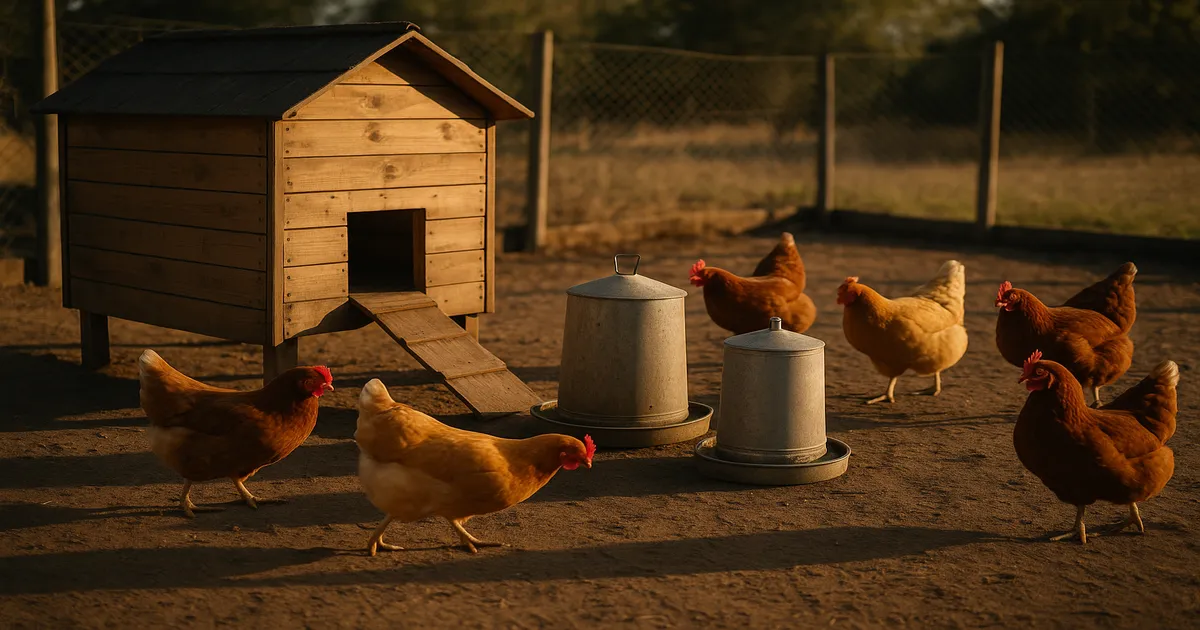
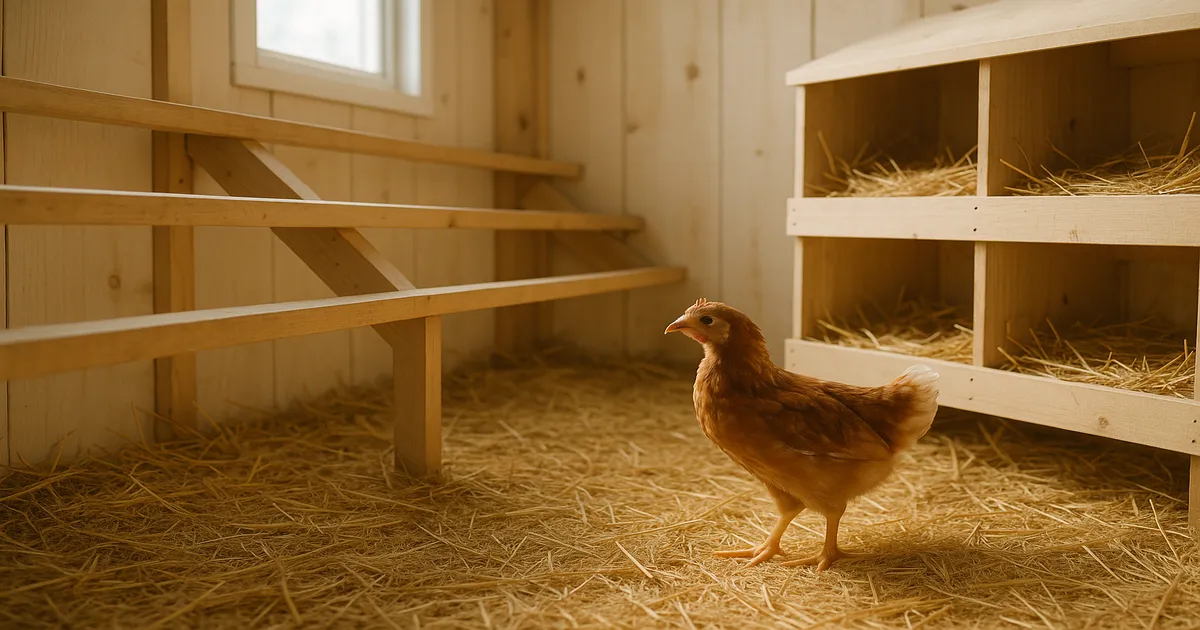
Use 2-inch-wide flat roost bars rather than round dowels — the flat surface lets hens cover their feet with their breast feathers in winter, preventing frostbite. Position roosts 18–24 inches off the ground and always higher than the nesting boxes so hens aren’t tempted to sleep (and poop) in the nest. Allow 8–10 linear inches per standard-size bird.
One nesting box per 3–4 hens is sufficient — they’ll share, and they’ll all want the same one anyway. Standard size is 12×12×12 inches, filled with 3–4 inches of pine shavings, straw, or hemp bedding. Collect eggs 2–3 times daily to discourage egg eating and broodiness.
New owners almost always over-insulate and under-ventilate. Moisture and ammonia buildup cause far more respiratory damage than cold temperatures. Provide at least 1 square foot of ventilation per 10 square feet of floor space, positioned high on the walls near the roofline so moisture escapes without creating drafts at bird level. If you can smell ammonia when you walk in, it’s already at dangerous levels — open more vents immediately. Most standard breeds handle temperatures down to 0°F (−18°C) in a dry, draft-free coop without supplemental heat.
Predator-Proofing: Hardware Cloth and Buried Aprons
Standard chicken wire keeps chickens in — it does not keep predators out. Use ½-inch galvanized hardware cloth on all openings, windows, and run walls. Raccoons can reach through 2-inch chicken wire and are strong enough to open simple hook-and-eye latches; use carabiner clips or two-step latches on every door.
Bury hardware cloth 12 inches deep, or bend it outward in an L-shaped apron at ground level to stop diggers. An automatic coop door closer is one of the best investments a new owner can make.
Feeding Your Flock: What, How Much, and What to Avoid
Feed Types by Life Stage
| Life Stage | Feed Type | Protein % | Age Range |
|---|---|---|---|
| Chicks | Chick Starter | 18–20% | 0–8 weeks |
| Pullets | Grower/Developer | 15–17% | 8–18 weeks |
| Laying Hens | Layer Feed | 15–18% | 18+ weeks |
| Molting Hens | Flock Raiser | 20–22% | During molt |
Switch feeds gradually over about a week to avoid digestive upset.
Calcium, Grit, and Water
Layer feed contains around 3.5–4% calcium, which covers most hens’ needs — but offer oyster shell free-choice in a separate container at all times. Hens are surprisingly good at self-regulating their intake. Never mix oyster shell into feed for chicks or non-laying birds; excess calcium damages kidneys in birds that aren’t actively producing eggshells.
Chickens have no teeth. They rely on insoluble grit stored in the gizzard to grind food. If your hens eat anything beyond commercial pellets — treats, kitchen scraps, bugs from free-ranging — they need coarse grit free-choice. Hens on pasture often pick up enough naturally, but it’s cheap insurance to keep a container available.
Each hen drinks ½ to 1 pint of water per day under normal conditions — that doubles in summer heat. A dirty or frozen waterer is one of the fastest ways to tank egg production, so clean, fresh water must be available at all times.
Safe Treats vs. Toxic Foods
Safe treats (keep under 10% of total diet):
- Mealworms (especially valuable during molt)
- Leafy greens, watermelon, berries
- Cooked eggs, plain yogurt, pumpkin seeds
Avoid entirely:
- Avocado (persin is toxic)
- Chocolate
- Raw or dry beans (contain hemagglutinin)
- Onions and large amounts of garlic
- Salty, moldy, or rotten food
Scratch grains are a treat, not a feed. A small handful per bird per day is fine; more than that dilutes protein and calcium intake and can cause heat stress in summer.
Common Health Problems First-Time Owners Should Know
Marek’s Disease: Vaccination at Hatch Is Non-Negotiable
Marek’s Disease is a highly contagious herpesvirus that spreads through feather dander and can persist in the environment for years. Symptoms include progressive leg or wing paralysis, tumors, and sudden death in birds between 6 weeks and 6 months old. There is no cure. Vaccination at hatch is inexpensive ($0.15–$0.25 per chick at most hatcheries) and highly effective. Request it when you order chicks — it’s one of the most important decisions you’ll make as a new flock owner.
Coccidiosis: Recognizing and Treating Bloody Diarrhea in Chicks
Coccidiosis is caused by Eimeria protozoan parasites in the soil and spreads through droppings. Chicks aged 3–6 weeks are most vulnerable. Symptoms include bloody or watery diarrhea, lethargy, hunched posture, and pale comb.
Treat with Amprolium (Corid) in the drinking water:
- Severe cases: 2 teaspoons per gallon for 5–7 days
- Mild or preventive: 1 teaspoon per gallon for 21 days
Medicated chick starter contains a low level of amprolium as prevention. Gradual exposure to outdoor soil also helps chicks build natural immunity over time.
Mites and Lice: How to Spot and Eliminate External Parasites
Two main culprits: Northern Fowl Mites live on the bird (check around the vent and under wings) and are visible during the day. Red Mites hide in coop cracks during the day and feed on birds at night — swipe a white paper towel along the roost bar after dark to check for them.
Signs of infestation include excessive preening, feather damage, pale comb and wattles, and restlessness at night. Treat birds with permethrin-based poultry dust or spray, and treat the coop at the same time. Regular dust bathing access helps prevent infestations from taking hold.
Bumblefoot: Causes, Symptoms, and Home Treatment
Bumblefoot is a bacterial infection (Staphylococcus aureus) that enters through a cut or abrasion on the foot pad. It presents as a swollen foot with a dark scab on the bottom and causes visible limping.
For mild cases:
- Soak the foot in warm Epsom salt water for 10 minutes
- Apply Vetericyn or plain Neosporin (without pain reliever) to the scab
- Wrap with vet wrap
- Repeat every 2–3 days until healed
Prevent it by using smooth, wide roost bars and keeping the coop floor dry. Severe or deep infections need veterinary treatment.
Respiratory Infections: When Sneezing Becomes a Red Flag
Occasional sneezing in a dusty coop is normal. Sneezing combined with rattling or gurgling breathing, nasal discharge, or swollen sinuses is not — those are signs of Mycoplasma, Infectious Bronchitis, or another respiratory pathogen. The most common cause in backyard flocks, though, is poor ventilation. If you can smell ammonia at nose height when you enter the coop, your birds are already breathing it at dangerous concentrations. Fix ventilation before assuming infectious disease.
Frequently Asked Questions: Should I Be Concerned? First-Time Chicken Owner Edition
Why is my chicken lying on its side with its wing out — is it dying?
Almost certainly not. This is sunbathing behavior, and it looks exactly as alarming as you’d expect. Hens lie on one side, fan out a wing, and go into what looks like a coma to soak up warmth. A healthy sunbathing hen will startle and run if you approach — that’s your confirmation she’s fine.
When should I worry about my chicken not laying eggs?
If your pullet is under 24 weeks old, she probably just isn’t ready yet. If she’s past that age, check for molt (feather loss), shortened daylight hours, stress from a new flock member or predator scare, illness, or a calcium deficiency. A hen that was laying regularly and suddenly stops for more than 2–3 weeks without an obvious seasonal reason is worth a closer look.
My chick is pasting up — what do I do?
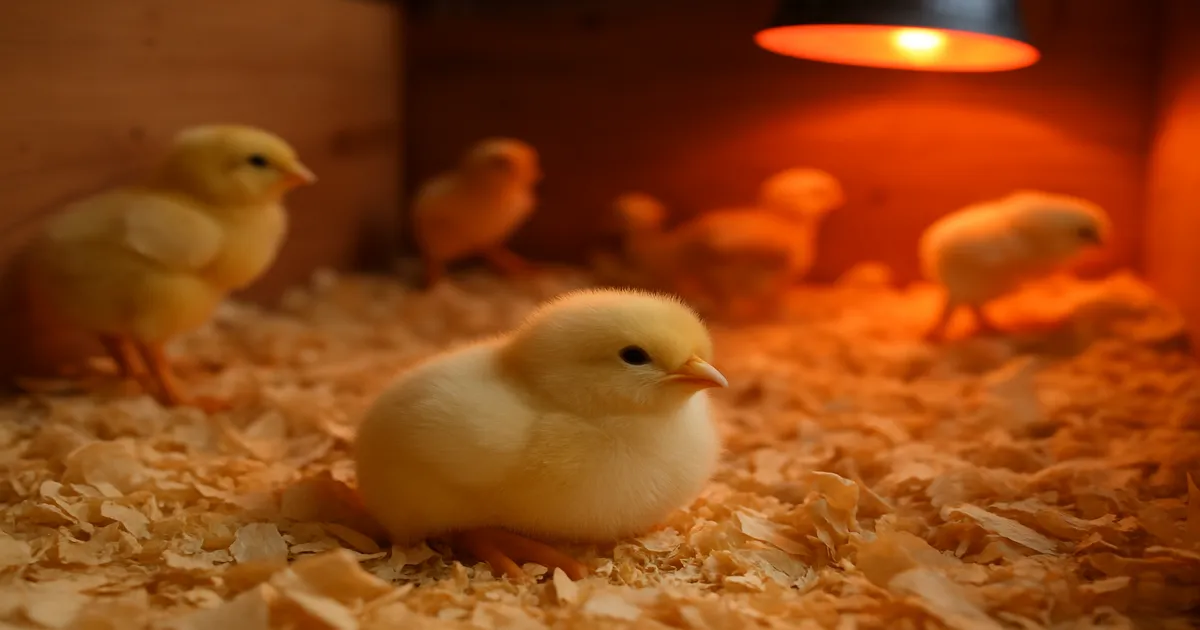
Pasty butt (droppings stuck to the vent) is common in chicks during the first week of life, especially if they’ve been stressed by shipping or temperature swings. Gently clean the vent with a warm, damp cloth — do not pull dried droppings off dry. Left untreated, it can block the vent and kill a chick within hours. If it keeps recurring, check brooder temperature (should be 95°F the first week, dropping 5°F per week) and make sure chicks are drinking enough water.
How do I know if my chicken is sick or just molting?
Molting hens look rough but act normally — they eat, drink, move around, and interact with the flock. A sick hen tends to stand hunched with fluffed feathers, separate herself from the flock, and lose interest in food and water. If your bird looks terrible but is still charging toward the treat bucket, she’s probably just molting.
Do I need a rooster for my hens to lay eggs?
No. Hens lay eggs with or without a rooster — they just won’t be fertilized. You only need a rooster if you want to hatch chicks. Given the noise and aggression risks, most backyard flocks do just fine without one.
Still not sure whether to be concerned? The best thing a first-time chicken owner can do is spend time observing a healthy flock so you know what normal looks like — then the genuine warning signs become much easier to spot.