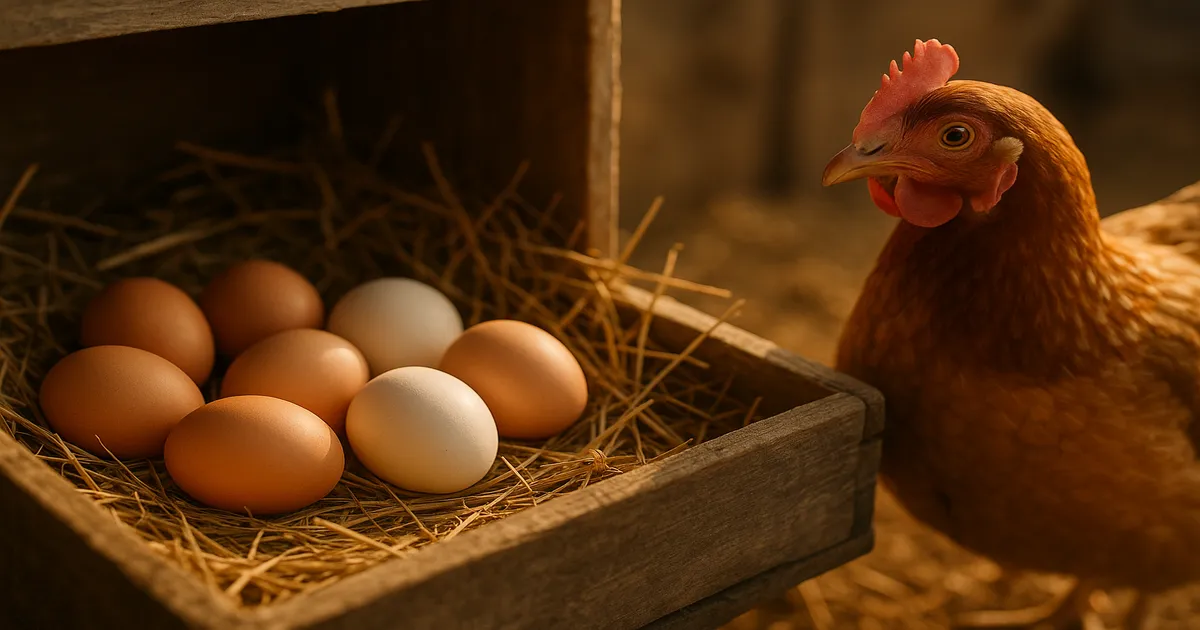
Quick Answer: Chickens eat their eggs because of nutritional deficiencies, a poor nesting box setup, or accidental discovery — and once one hen learns the habit, the whole flock can follow within 3–7 days. To stop chickens from eating their own eggs quickly, fix calcium and protein levels, darken and improve your nesting boxes, and collect eggs at least twice daily. Early action is everything.
Figuring out how to stop chickens from eating their own eggs is genuinely urgent. This is one of those problems that snowballs fast. What starts as a single hen pecking open a cracked egg can become a flock-wide habit in less than a week. The good news is that the root causes are almost always fixable, and most keepers can turn things around quickly once they know what to address.
Why Chickens Start Eating Their Own Eggs
Accidental Discovery vs. Learned Habit
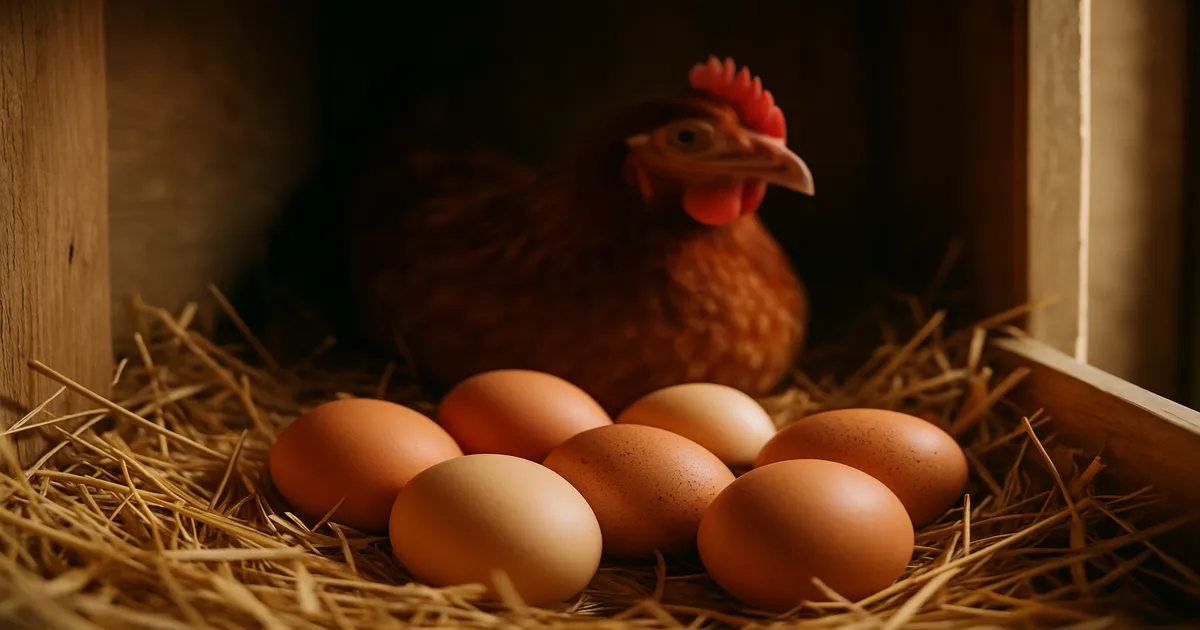
Most cases start with an accident. A hen produces a thin-shelled or shell-less egg, it breaks in the nest, she tastes the yolk, and a habit is born. Shell-less eggs are far more likely to be eaten than normal eggs, which is why shell quality is so central to this problem. Once the behavior becomes deliberate — hens actively seeking out and pecking intact eggs — you’re dealing with a learned vice that’s much harder to break.
Nutritional Deficiencies as the Root Cause
If your hens are eating eggs, the first question to ask is: what are they missing? Calcium deficiency leads to thin, fragile shells that crack easily. Protein deficiency drives hens to seek out protein wherever they can find it, and eggs are roughly 12–13% protein — an obvious target. In most cases, fixing the diet fixes the problem.
Stress, Overcrowding, and Boredom
Overcrowded coops are egg-eating factories. Below 4 sq ft per bird inside, stress behaviors skyrocket. Hens with nothing to do in a cramped run start investigating everything, including eggs. Excessive light in nesting areas, predator pressure, sudden flock changes, and too few nesting boxes (competition causes breakage) are all common triggers. Boredom is genuinely underestimated as a factor here.
Breeds Most Prone to Egg Eating
Not all breeds carry equal risk. High-energy Mediterranean breeds tend to be more curious and investigative — great for foraging, but problematic when they discover eggs.
Higher-risk breeds:
- Leghorn
- Hamburg
- Ancona
- Easter Egger
Lower-risk breeds:
- Buff Orpington
- Brahma
- Sussex
- Cochin
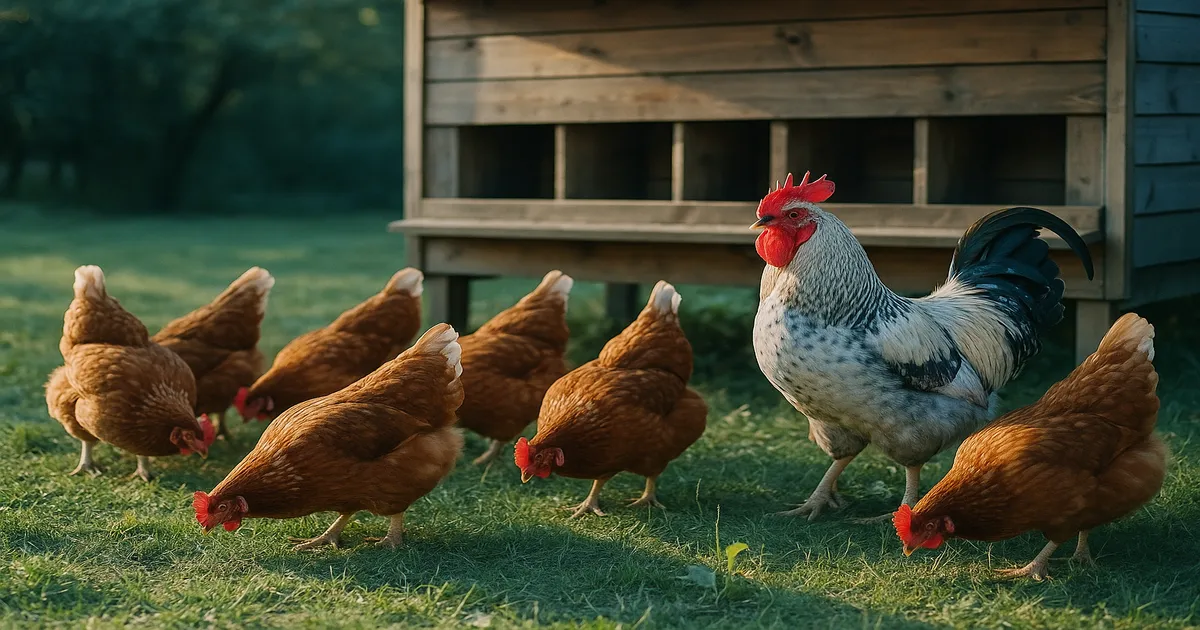
Rhode Island Reds fall somewhere in the middle — productive and hardy, but prone to vices if underfed or overcrowded. Whatever breed you keep, dominant hens in the pecking order almost always initiate the behavior, with subordinates following.
How to Stop Chickens from Eating Eggs: Fix the Nesting Box First
How Many Nesting Boxes Do You Need?
The standard rule is one nesting box per 3–4 hens. Fewer than that and you get competition, jostling, and broken eggs — exactly how the habit starts. If hens are queuing up or fighting over boxes, that’s your first fix.
Ideal Nesting Box Dimensions and Placement
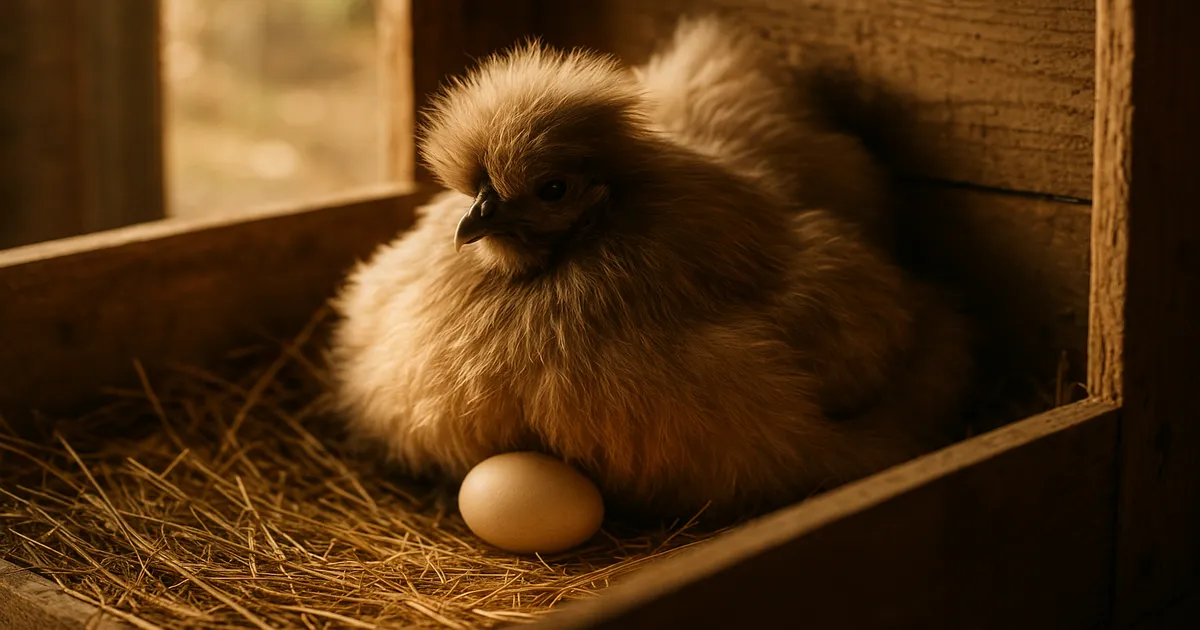
Standard breeds need boxes that are 12×12×12 inches. Large breeds like Brahmas or Jersey Giants need 14×14×14 inches. Position boxes 18–24 inches off the ground, but — critically — lower than your roost bars. Hens always gravitate to the highest perch, so if nest boxes sit higher than the roosts, hens will sleep in them, contaminate the eggs, and cause breakage. Keep at least 3–4 inches of clean bedding in each box to cushion eggs on landing.
Why Darkness in the Nest Matters
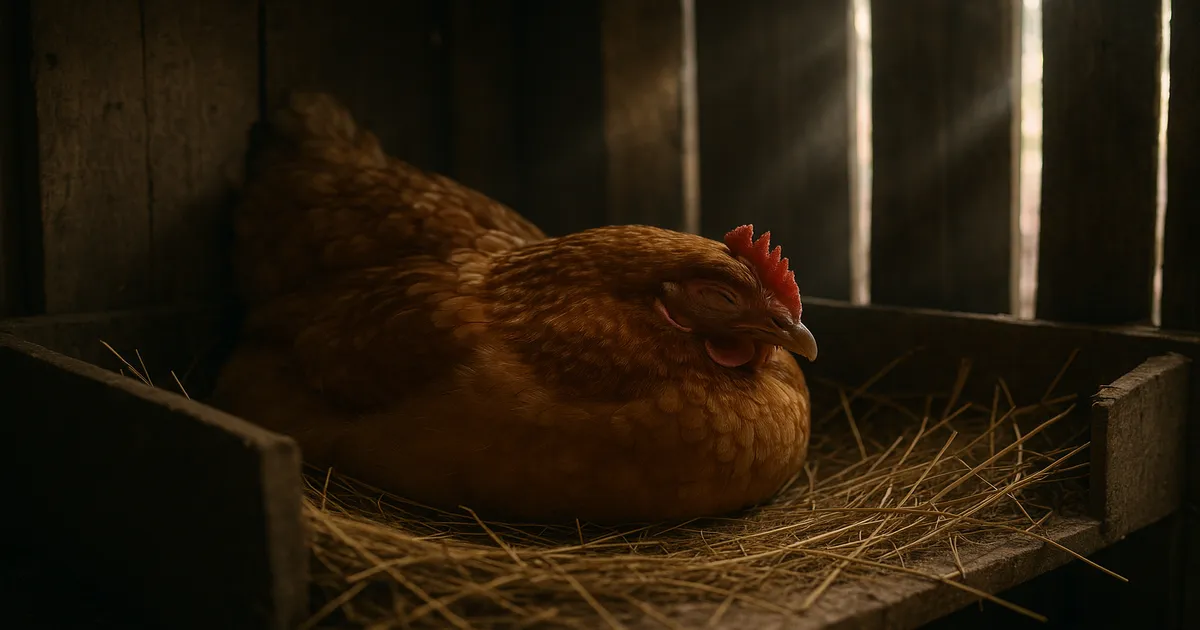
This one surprises a lot of keepers. Dim nesting boxes significantly reduce pecking activity. Hens naturally seek out dark, private spaces to lay — a brightly lit nest makes them restless and more likely to peck at whatever’s in front of them. Add curtains across the front of your boxes, use a hooded design, or simply position boxes away from windows and supplemental lighting.
Roll-Away Nesting Boxes: The Most Effective Mechanical Fix
If you’re dealing with an active egg-eating problem, a roll-away nesting box is the single most effective mechanical solution. The floor is angled so that as soon as a hen lays, the egg rolls gently out of reach into a covered collection tray. The hen physically cannot access it. It doesn’t fix the underlying cause, but it immediately stops the behavior from continuing while you address nutrition and environment. Consider a dedicated roll-away insert for your existing boxes or a purpose-built unit if you’re starting fresh.
Coop Space, Roosts, and Enrichment
Minimum Space Requirements
The minimum is 4 sq ft per bird inside the coop, but 6–8 sq ft is strongly recommended if you want relaxed, well-behaved hens. In the run, aim for at least 10 sq ft per bird — 15–20 sq ft is ideal. Overcrowding is the fastest route to egg eating, feather pecking, and a dozen other problems you’d rather avoid.
Roost Bar Setup
Roost bars should offer 8–12 inches of linear space per hen. Use 2×4 lumber laid flat side up — hens can cover their feet in cold weather, which they appreciate. Roosts must sit higher than the nesting boxes so hens choose to sleep there rather than in the nests. A hen sleeping in a nesting box means broken eggs, dirty eggs, and easy opportunity for egg eating.
Enrichment to Beat Boredom
A bored hen is a destructive hen. Simple enrichment goes a long way:
- Hang a head of cabbage or lettuce at peck height
- Provide a dedicated dust bath area
- Add perches and logs to the run for climbing and exploration
- Scatter scratch grains or dried mealworms to encourage foraging
- Rotate access to fresh ground if possible
Nutrition Fixes That Stop Egg Eating at the Source
Calcium: The Number One Nutritional Fix
Laying hens need around 4 grams of calcium per day to produce well-formed shells. Layer feed typically contains 3.5–4% calcium, which is close but can fall short for heavy producers. The fix is simple: always offer oyster shell free-choice in a separate container. Hens self-regulate and take what they need. Also check your feed’s manufacturing date — Vitamin D3, which is essential for calcium absorption, degrades significantly after 3–4 months in storage.
Protein Requirements for Laying Hens
Layer feed should contain 16–18% protein. During molt, bump that up to 18–20% to support feather regrowth — molting hens that aren’t getting enough protein will look to eggs as a supplement. High-protein treats like black soldier fly larvae or dried mealworms are excellent during these periods.
Why Too Many Treats Make Things Worse
Scratch grains are high in carbohydrates and low in protein. If scratch makes up more than 10–15% of your hens’ diet, you’re diluting their protein and calcium intake — and setting the stage for the exact deficiencies that cause egg eating. Limit scratch to around 1–2 tablespoons per bird per day, offered as an afternoon treat rather than a feed replacement.
Feeding Crushed Eggshells Back to Your Flock
You can feed eggshells back to your chickens, and it’s a useful calcium source. The key is preparation. Bake shells at 250°F (121°C) for 10 minutes to kill pathogens, then crush them finely so they don’t resemble whole eggs. Hens given whole or half-shells can start to associate the shape with food — exactly what you don’t want. Finely crushed shells look nothing like an egg, and hens take to them readily.
How to Stop Chickens from Eating Eggs: Collection and Behavioral Fixes
How Often Should You Collect Eggs?
Collect eggs at least twice a day — once in the morning and again around midday. Most hens lay in the morning, so an early collection dramatically reduces the window of opportunity. The less time eggs spend in the nest, the less chance there is for them to be discovered and eaten. A sturdy egg collection basket kept near the coop makes this routine easy to stick to. (Roosty’s Egg Collecting Apron)
Identifying and Isolating the Culprit Hen
Look for yolk residue on the beak or face — that’s your culprit. You can also observe the flock quietly after hens have been in the boxes, or set up a simple camera. Once you’ve identified the offending hen, isolate her in a separate pen for 1–2 weeks. Removing her from the flock breaks the habit loop and stops her from teaching others. When you reintroduce her, make sure all the environmental and nutritional fixes are already in place.
Fake Eggs and Mustard Eggs as Deterrents
Ceramic or wooden nest eggs can discourage pecking — hens try to peck them, find them unsatisfying, and sometimes lose interest. A more active deterrent is the mustard egg: blow out a real egg, fill it with mustard (which hens strongly dislike), and place it in the nest. Many keepers report good results, though it works best as part of a broader strategy rather than a standalone fix. Ceramic nest eggs do double duty as laying encouragers for new hens.
When to Consider Culling a Persistent Egg Eater
Here’s the hard truth: some hens don’t stop. If you’ve fixed the nutrition, improved the environment, isolated the hen, and tried deterrents — and she’s still eating eggs and teaching others — culling or rehoming is the responsible call. One persistent egg eater can undo all your other fixes within days. It’s not a decision to make lightly, but it is sometimes the right one.
Health Issues That Cause Poor Shell Quality
Infectious Bronchitis and Thin-Shelled Eggs
Infectious Bronchitis (IB) directly damages the oviduct, causing thin, wrinkled, or shell-less eggs — exactly the type that triggers egg eating. If you’re seeing a sudden wave of poor-quality shells alongside respiratory symptoms such as rattling or nasal discharge, IB may be the culprit. There’s no cure, but supportive care and strict biosecurity can limit spread.
External Parasites: Mites and Lice
Red mites and northern fowl mites are notorious stress multipliers. A hen dealing with a heavy mite burden produces fewer eggs, lays thinner shells, and is far more prone to behavioral vices. Check under wings and around the vent area regularly. Treat with permethrin-based poultry dust or spray on birds and in the coop, repeating in 7–10 days to break the life cycle.
When to Call a Vet
Seek veterinary advice if you’re seeing:
- Persistent shell-less eggs despite correct calcium supplementation
- Bloody or watery droppings
- Respiratory symptoms (rattling, discharge, swollen sinuses)
- A sudden collapse in egg production across the flock
- Any hen showing abdominal swelling or a penguin-like stance
Frequently Asked Questions
Why do chickens eat their own eggs?
Chickens eat their eggs primarily because of nutritional deficiencies — especially calcium and protein — accidental discovery after a thin-shelled egg breaks, or boredom from overcrowding. Once a hen tastes the yolk, the behavior can quickly become deliberate. It’s almost always a symptom of an underlying management issue rather than random bad behavior.
Will a chicken that eats eggs ever stop on its own?
Rarely. Once egg eating is a learned habit, it almost never self-corrects — and it usually gets worse as other hens join in. Isolation, environmental changes, and nutritional fixes give you the best shot at breaking the cycle. A hen that persists despite all interventions may need to be culled or rehomed.
Can I feed eggshells back to my chickens without encouraging egg eating?
Yes, safely. Bake the shells at 250°F (121°C) for 10 minutes, then crush them finely so they bear no resemblance to a whole egg. Hens won’t connect the powdery fragments with the eggs in their nest, and they’ll get a useful calcium boost in the process.
How do roll-away nesting boxes stop egg eating?
Roll-away boxes have a slightly angled floor, so eggs roll away from the hen immediately after laying into a covered collection tray she can’t reach. Since she never has access to the egg, she can’t eat it. They’re the most reliable mechanical fix available and work even with persistent egg eaters.
What is the fastest way to stop a chicken from eating eggs?
The fastest combination is: collect eggs twice daily, isolate the culprit hen immediately, switch to roll-away nesting boxes, and make sure oyster shell is available free-choice. Address protein levels in the feed at the same time. None of these steps alone is a silver bullet, but together they can stop active egg eating within a few days.