Quick Answer: A molting chicken gets picked on because bare skin and blood-filled pin feathers visually trigger the pecking instinct in flockmates — and once blood appears, aggression escalates fast. If your bird is already being targeted, isolate her immediately, treat any wounds with Blu-Kote, and switch the whole flock to a 20% protein feed. The sections below walk you through every fix, from emergency wound care to long-term prevention.
If you’ve got a molting chicken getting picked on, you’re dealing with one of the most frustrating — and genuinely dangerous — situations in backyard chicken keeping. What starts as a few curious pecks at bare skin can turn into a serious wound within hours. Understanding why it happens is the first step to stopping it.
Why Your Molting Chicken Is Getting Picked On
The Core Problem in Plain Terms
Molt strips away a bird’s protective feather cover and replaces it with pin feathers — new shafts filled with blood, encased in a waxy keratin sheath. To your other chickens, those pin feathers are visually stimulating, and when pecked, they bleed. Chickens are hardwired to investigate and peck at the color red, so a single broken pin feather can trigger a feeding frenzy.
Molting birds also act lethargic and withdrawn. That behavioral shift signals weakness to the rest of the flock, which can cause a hen to drop in the pecking order — sometimes below birds she previously dominated. Crowded conditions pour fuel on all of these triggers at once.
What to Do Right Now
- Check for blood. Part the feathers and inspect bare patches, especially along the back, neck, and vent area.
- Isolate if wounded. If you see blood, remove the bird immediately. Even a small wound will be relentlessly targeted.
- Clean the wound with dilute chlorhexidine (0.05%) or saline — not hydrogen peroxide.
- Apply Blu-Kote to mask the red color and deter further pecking.
- Switch to high-protein feed. Move the whole flock to a 20% protein flock raiser immediately.
- Add space or hiding spots if long-term isolation isn’t possible.
Why Molt Makes a Chicken a Target
What Happens During Molt
Molt is triggered by shortening daylight hours, typically between August and November in the Northern Hemisphere. Feathers shed in a rough head-to-tail sequence — neck and head first, then breast, back, wings, and finally tail. The process takes 8–16 weeks on average, though some hens drag it out closer to six months. During that entire window, your bird is vulnerable.
Feathers are roughly 85% protein (keratin), so the body diverts enormous nutritional resources to regrowth. Egg production drops to near zero, and the bird’s energy goes almost entirely into feather manufacturing, leaving little left over for normal social behavior or immune function.
Hard Molt vs. Soft Molt
A hard molt happens fast — large clumps of feathers drop within days, leaving dramatic bare patches on the back, neck, and vent. It looks alarming, and it is the higher-risk scenario for picking. A soft molt is slow and gradual, with patchy thinning that most flockmates barely notice.
Breed matters here. Buff Orpingtons and Cochins tend toward hard molts; Leghorns often molt more softly. If you’ve got a hard-molting hen, treat her as high-risk from day one.
Why Pin Feathers Trigger Aggression
Pin feathers are the crux of the problem. Each one is a new shaft encased in a blood-filled keratin sheath, and they’re intensely painful when touched. They also look like nothing else in the coop — pale blue-gray quills poking out of pink skin. To a curious or dominant bird, they’re irresistible.
Break one, and you’ve got blood. Chickens are strongly attracted to red, and once the pecking instinct locks onto a bleeding spot, other birds join in quickly. What started as curiosity becomes mob behavior within minutes.
How Molt Disrupts the Pecking Order
Reduced hormone levels during molt cause hens to behave more submissively than usual. They hunch, avoid contact, and retreat from confrontation — all signals of low status. Birds that previously coexisted peacefully may suddenly start challenging a molting hen, exploiting a temporary weakness to improve their own rank.
Immediate Treatment for a Molting Chicken Getting Picked On
When to Isolate
Isolation is non-negotiable the moment you see blood. Even a wound the size of a dime will be found and worked until it’s a serious injury. Move the bird to a separate pen, dog crate, or a cardboard box in the garage — anywhere away from flockmates.
Don’t rush reintroduction. The bird should only go back when the wound is fully healed and feathers have grown back over the area. Bare pink skin alone is enough to restart the cycle.
How to Clean and Treat Pecking Wounds
Rinse the wound gently with saline or dilute chlorhexidine (0.05%). Remove any debris or dried blood with a soft cloth, then pat dry before applying any topical product. Avoid hydrogen peroxide — it damages tissue and slows healing.
Once the wound is clean and dry, apply Blu-Kote from about 6 inches away. The gentian violet formula turns the wound blue-purple, hiding the red color that attracts pecking while also acting as an antiseptic. Let it dry completely before returning the bird to any shared space.
When to Call a Vet
Deep wounds — anything that penetrates muscle, has ragged edges, or shows signs of infection (swelling, heat, foul odor, discharge) — need veterinary attention. A vet may prescribe amoxicillin or doxycycline to prevent or treat Staphylococcus infection, the most common culprit when pecking wounds turn serious.
Coop and Housing Fixes That Protect Molting Chickens
Space: The Number One Preventable Cause of Picking
Overcrowding is the single most preventable management cause of feather pecking. If birds can’t get away from each other, a molting hen has nowhere to escape. The minimums are 4 sq ft per bird inside the coop and 10 sq ft per bird in the run — but when molting birds are present, aim for 6–8 sq ft inside and 15–20 sq ft in the run. If you can’t expand permanently, a temporary pen divider or a separate tractor gives a molting bird breathing room.
Roost Bar Setup
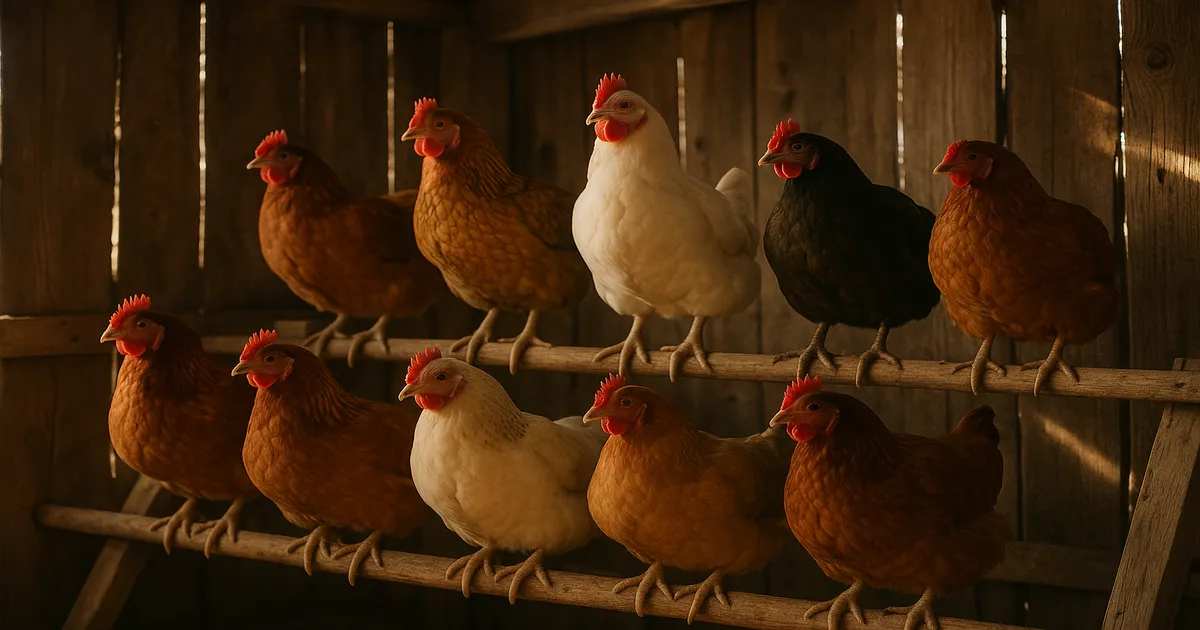
Give each bird 8–10 inches of linear roost space and install multiple roost levels at different heights. Lower-ranking birds will naturally choose less contested spots when they have options. One critical detail: don’t let a bare-backed hen roost directly beneath other birds. Droppings on exposed skin cause irritation and infection — and attract more pecking.
Roost bars should be 1.5–2 inches in diameter and positioned at least 18–24 inches off the floor.
Hiding Spots and Escape Routes
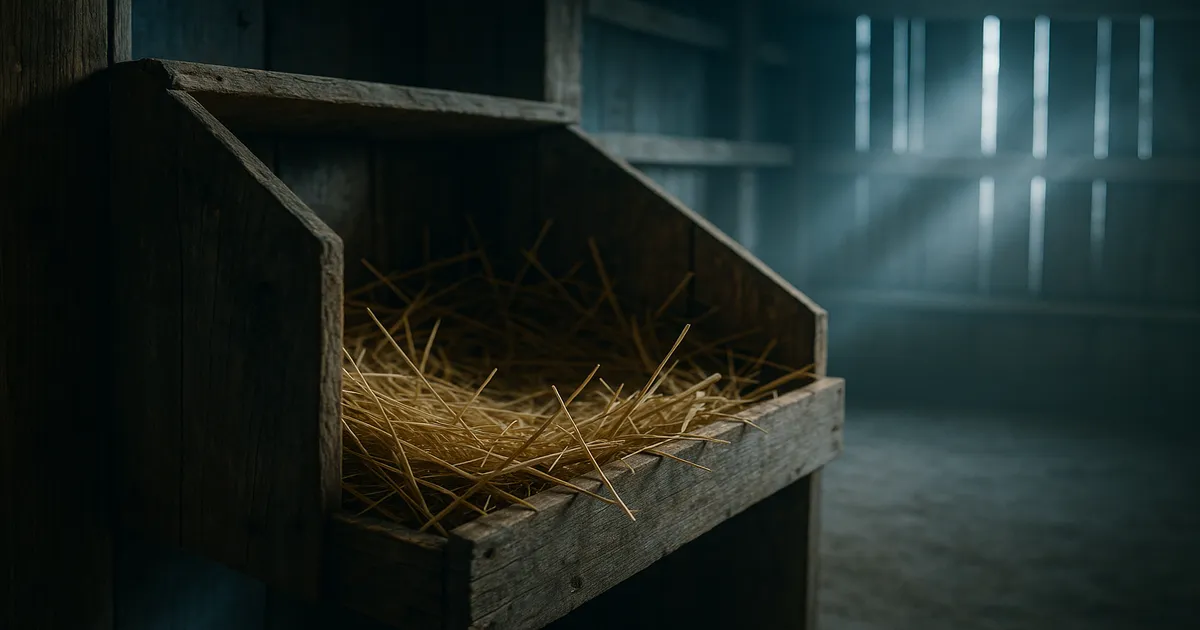
Molting hens instinctively seek cover. Extra nesting boxes, a low A-frame shelter inside the run, or even a few pallets leaned against the coop wall give a vulnerable bird somewhere to retreat. Line-of-sight breaks — anything that lets a hen get out of view — dramatically reduce sustained bullying.
Ventilation and Cold Sensitivity
Molting birds lose their insulating layer at exactly the time temperatures drop. A fully feathered hen handles cold down to around 0°F (-18°C) without trouble; a hard-molting hen with bare patches is significantly more cold-sensitive. Aim for 50–65°F (10–18°C) inside the coop during molt if possible.
Good ventilation matters too. Target 1 sq ft of vent space per 10 sq ft of floor space, positioned high on the walls so moisture and ammonia escape without creating drafts at bird level. High ammonia stresses the whole flock and worsens pecking behavior.
Feeding and Nutrition: Speed Up Molt to Reduce Vulnerability
Why Protein Is the Most Important Lever
A hen grows 4,000–9,000 feathers during a full molt, and every one of them is mostly keratin — protein. Standard layer feed at 16–18% protein isn’t enough to fuel rapid regrowth. The longer molt drags on, the longer your bird is exposed to picking. Boosting protein is the fastest way to shorten that window.
Switch the Whole Flock to High-Protein Feed
Rather than trying to feed molting birds separately — which is logistically exhausting — switch the entire flock to a flock raiser or grower feed at 20% protein during molt season. This ensures molting birds actually get the nutrition they need at every meal, rather than being chased away from a separate feeder.
Best Protein Supplements for Molting Chickens
| Supplement | Protein % | Notes |
|---|---|---|
| Dried black soldier fly larvae | 36–42% | Excellent amino acid profile, highly palatable |
| Dried mealworms | 48–53% | Limit to 1 tbsp per bird/day — high fat |
| Black oil sunflower seeds | 16–17% | Good methionine source for feather quality |
| Canned fish (plain, in water) | 20–25% | Tuna or sardines; avoid added salt |
| Scrambled or hard-boiled eggs | 12–13% | Chop finely; ironic but effective |
Keep treats to 10% of total diet even during molt — more than that displaces the balanced nutrition birds actually need.
Dried black soldier fly larvae are a particularly good choice: high protein, excellent amino acid profile, and most flocks go after them enthusiastically.
Calcium Management
Layer feed contains roughly 4% calcium — appropriate for laying hens, but counterproductive during molt when hens aren’t producing eggs. If you switch to flock raiser, suspend oyster shell supplementation during active molt and resume it free-choice about 2–4 weeks before you expect the first post-molt egg.
Feeder Setup
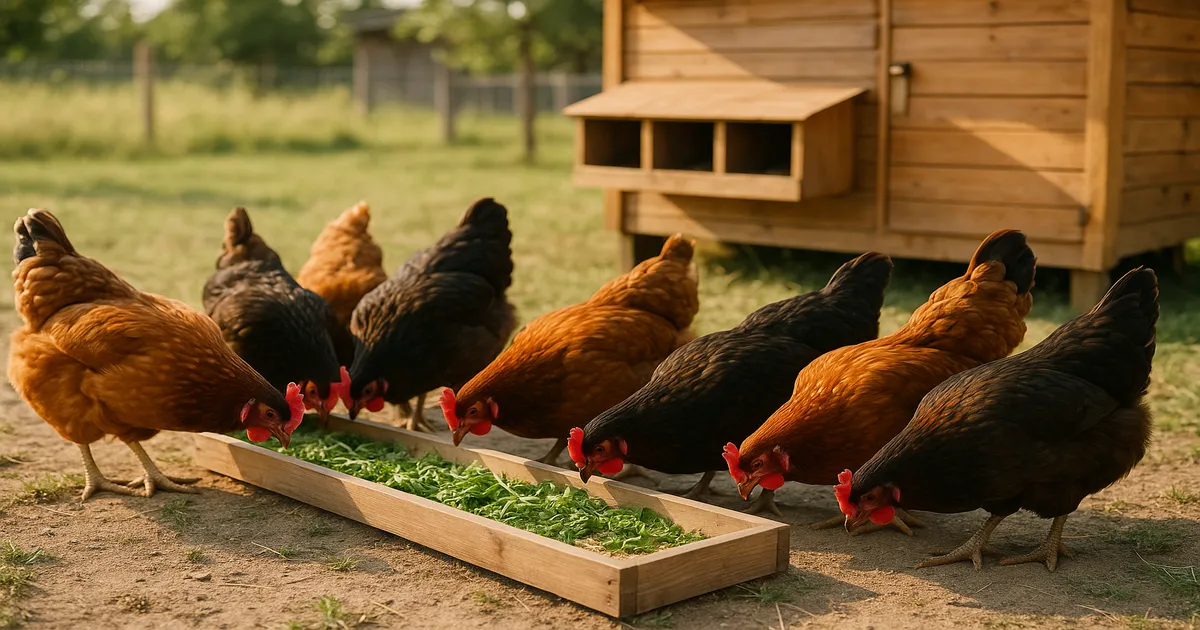
Provide at least 4 inches of linear feeder space per bird and use multiple feed stations spread around the coop and run. A molting hen chased away from the feeder eats less protein, regrows feathers more slowly, and stays vulnerable longer.
Breed Temperament: Who’s Most Likely to Start the Picking
Breeds Most Likely to Bully a Molting Flockmate
Some breeds are simply more assertive and prone to investigating bare skin:
- Rhode Island Red — dominant, confident, known pecking-order enforcers
- Easter Egger — curious and nippy, will probe bare patches
- Leghorn — high-strung and active, prone to feather pecking especially in confined spaces
- Hamburg — flighty and sometimes aggressive toward lower-ranking birds
Gentler Breeds That Pose Lower Risk
- Buff Orpington — calm and docile, rarely initiates pecking
- Brahma — slow-moving gentle giants, generally tolerant
- Cochin — famously mellow, excellent in mixed flocks
- Australorp — calm temperament, moderate pecking-order behavior
Silkies are gentle birds but can actually become the victim in mixed flocks during molt season rather than the aggressor.
The Role of Roosters
A good rooster actively protects molting hens — intervening when flockmates peck and keeping order around the feeder. An aggressive rooster is a different problem entirely. Forced mating on a feather-bare hen can cause serious skin lacerations. If your rooster is rough, separate him from heavily molting hens until feather cover returns.
Managing Mixed Flocks
In a mixed-temperament flock, watch the assertive breeds closely starting in late August. If you know a Rhode Island Red or Leghorn is your flock’s enforcer, she’s the one most likely to start the picking. Having a separation pen ready before blood is drawn is always easier than scrambling to set one up mid-crisis.
Health Risks When a Molting Chicken Gets Picked On
Immunity and Infection Risk
The stress hormone corticosterone rises during molt, temporarily suppressing immune function. At the same time, open feather follicles create direct entry points for bacteria. A pecking wound on an already immunocompromised bird can become infected quickly — and Staphylococcus is the most common culprit. Catch wounds early and treat them aggressively.
Mites That Worsen During Molt
Here’s something many keepers miss: mite infestations dramatically worsen during molt. Bare skin gives Northern fowl mites and red mites easier access, and the itching they cause can look exactly like behavioral feather pecking. Before assuming your flock has a picking problem, check for mites first.
Part feathers near the vent and under the wings and look for tiny moving specks or clusters of eggs at the feather base. Treat with 0.25% permethrin dust or spray applied to the bird and the coop, and repeat in 7–10 days to break the life cycle.
Bumblefoot and Lame Birds
A hen with bumblefoot moves slowly, avoids the roost, and signals weakness — exactly the behavioral profile that invites bullying. If a molting bird is also limping, she’s doubly at risk. Treat bumblefoot promptly: soak the foot in warm Epsom salt water (1 tablespoon per quart), debride the scab, apply antibiotic ointment, and bandage until healed.
Signs a Wound Has Become Infected
Watch for swelling, heat around the wound, foul odor, yellow or green discharge, or a bird that stops eating and becomes lethargic. Any of those signs mean it’s time to call a vet. Untreated wound infections in molting birds can progress quickly due to compromised immunity.
Long-Term Prevention: Stopping the Problem Before It Starts
Anti-Picking Products Worth Using
Two products consistently work when used correctly:
- Pinless peepers reduce forward vision on aggressive birds, which dramatically cuts feather pecking without harming the bird.
- Anti-peck sprays like Rooster Booster Pick-No-More use a bitter taste to deter pecking at treated areas.
Neither is a substitute for fixing underlying space or nutrition problems, but both are useful tools in a multi-pronged approach.
Boredom Busters That Redirect Pecking Behavior
Idle birds peck. Give them something better to do:
- Hang a cabbage head or suet cake in the coop at bird height
- Scatter feed in 6–8 inches of deep pine shavings to encourage foraging
- Provide a dust bathing area year-round — at minimum 12 × 12 inches per 4–5 birds
Plan Ahead for Next Molt Season
The easiest time to deal with a molting-season picking problem is before it starts. Identify which birds are likely to molt first — typically older hens and high-production breeds — and have a separation pen ready by late July. Setting it up before you need it means you can act in minutes rather than scrambling while a bird bleeds.
Start boosting feed protein in late July as well, before the first feather drops, so birds enter molt in the best possible nutritional condition.
Frequently Asked Questions
Should I separate a molting chicken that is being picked on?
Yes — immediately, if there’s any blood. Even a small wound will be targeted relentlessly, and what looks minor can become a serious injury within hours. If there’s no blood yet but you’re seeing persistent harassment, proactive separation is still worth considering. Reintroduce only when the wound is fully healed and feathers cover the area.
How do I stop chickens from pecking at a molting hen’s bare skin?
Start with the basics: increase protein to 20% for the whole flock, add space or visual barriers in the run, and set up multiple feed stations so the molting bird isn’t chased away from food. Apply Blu-Kote to any bare or irritated patches to mask the visual trigger. If a specific bird is the aggressor, pinless peepers on that bird can reduce the behavior significantly.
How long does molting last, and how long is my chicken at risk?
Most hens complete molt in 8–16 weeks, though some take up to six months. Your bird is at highest risk during the period when bare skin and pin feathers are visible — typically weeks 2 through 8 of a hard molt. High-protein feeding is the most reliable way to shorten that window.
What should I feed a molting chicken to speed up feather regrowth?
Switch the entire flock to a 20% protein flock raiser feed and add protein-rich supplements like dried black soldier fly larvae or dried mealworms (no more than 1 tablespoon per bird per day). Black oil sunflower seeds provide methionine, an amino acid specifically important for feather quality.
Can mites cause the same symptoms as feather pecking?
Yes — and it’s a common mistake to treat for picking when mites are the real problem. Bare patches, restless behavior, and skin irritation can all result from a mite infestation rather than flockmate aggression. Always check for mites near the vent and under the wings before assuming the issue is behavioral.