Quick Answer: A well-managed backyard flock may go months or even a full year without a serious health event. A poorly managed one can face issues monthly. Realistically, expect 1–3 notable health events per bird per year, with external parasites being the most common culprit — affecting an estimated 60–80% of flocks annually. Management quality is the single biggest variable in how often your chickens get sick.
How Often Do Your Chickens Get Sick? The Honest Answer
How often do your chickens get sick? It depends almost entirely on how they’re kept. Experienced keepers with solid housing, good nutrition, and a consistent biosecurity routine often go six months to a full year without anything more serious than a mite flare-up. Beginners — or anyone dealing with overcrowded coops, poor ventilation, or mixed-age flocks without quarantine protocols — can find themselves dealing with something every few weeks.
A realistic baseline for most backyard flocks is 1–3 notable health events per bird per year. That range covers everything from a mild respiratory irritation to a full coccidiosis outbreak. External parasites alone affect an estimated 60–80% of backyard flocks annually, making them the most common recurring issue by a wide margin.
The difference between a healthy flock and a struggling one usually comes down to a few key habits: appropriate stocking density, clean water, life-stage-appropriate nutrition, and monthly hands-on health checks. Flocks that get all four tend to thrive. Those missing even one — especially ventilation or space — tend to see illness compound quickly.
Factors That Determine How Often Your Chickens Get Sick
Breed Choice and Natural Immunity
Not all chickens are built the same. Heritage and dual-purpose breeds — Rhode Island Reds, Barred Plymouth Rocks, Buff Orpingtons, and Black Australorps — have been selected over generations for hardiness and tend to handle everyday pathogen exposure better than production hybrids.
ISA Browns and Golden Comets are exceptional layers (280–320 eggs per year), but that intensive reproductive output comes at a cost. These birds face significantly higher rates of internal laying and egg peritonitis as they age. Bantam breeds like Silkies and Belgian d’Uccles are more susceptible to respiratory illness and wet conditions. Mediterranean breeds like Leghorns are heat-hardy but tend to be flighty and stress-prone — and chronic stress matters more to flock health than most keepers realize.
Flock Size, Age Mix, and Stress
Chronic stress directly suppresses immune function by elevating cortisol levels. Overcrowded conditions, constant integration of new birds, and mixing chicks with adults all contribute to that stress load. Young immune systems aren’t ready for the pathogen exposure that adult birds carry without showing symptoms.
Docile breeds — Buff Orpingtons, Cochins, Brahmas — tend to experience less chronic stress, which translates to fewer stress-related illness spikes. It’s not just personality trivia; it’s genuinely relevant to how often your chickens get sick.
Housing Quality and Overcrowding
Overcrowding is the single greatest driver of flock illness. Below-minimum space increases ammonia buildup, parasite load, and respiratory disease risk significantly. Good housing prevents the conditions that let most diseases take hold in the first place — which is why coop setup gets its own section below.
Nutrition and Immune Function
A hen running on poor-quality feed or a treat-heavy diet has a compromised immune system before any pathogen arrives. Protein deficiencies slow feather regrowth and tissue repair. Calcium imbalances stress the reproductive system. Nutrition isn’t just about production — it’s foundational to immunity.
Early Warning Signs Your Chicken Is Getting Sick
Behavioural Red Flags to Watch Daily
Most sick chickens show behavioral changes before obvious physical symptoms appear. The earlier you catch illness, the better the outcome. Watch for:
- Lethargy — sitting while others are active, slow to respond
- Standing apart from the flock — sometimes called “going off”
- Puffed-up feathers — a classic sign the bird is trying to conserve heat
- Reduced appetite or water intake
- Excessive preening or scratching — often the first sign of mites or lice
Act within 24–48 hours of noticing these signs. Chickens are prey animals and mask illness instinctively — by the time symptoms are obvious, the bird is often already significantly compromised.
Physical Symptoms That Demand Immediate Action
Some symptoms require same-day attention:
- Pale or shrunken comb in a previously healthy bird
- Labored breathing, wheezing, rattling, or open-mouth breathing
- Swollen face, eyes, or wattles
- Bloody or unusually colored droppings (note: dark, smelly cecal droppings once or twice daily are completely normal)
- Prominent keel bone — if you can feel it sharply, the bird has lost significant weight
Using Egg Production as a Health Barometer
A sudden, unexplained drop in laying — more than 20% without a clear environmental cause like reduced daylight or molt — is one of the earliest and most reliable illness indicators. Know your baseline. A Rhode Island Red laying 5–6 eggs per week that drops to 2–3 without explanation deserves a closer look.
The Most Common Chicken Illnesses and How Often They Occur
External Parasites: Mites and Lice (Most Frequent)
Mites and lice are the most common health issue in backyard flocks. Northern Fowl Mites live on the bird year-round and are most visible around the vent feathers. Red Poultry Mites hide in coop cracks during the day and feed on birds at night — look for tiny gray or red specks in coop seams. Lice are flat, fast-moving, and visible at skin level around the vent and under the wings.
Symptoms include excessive preening, feather loss around the vent and neck, pale comb from anemia, and restlessness at night. Treatment means addressing both birds and coop simultaneously:
- Permethrin dust or spray (0.25%) applied to birds and coop surfaces; repeat in 7–10 days to break the egg cycle
- Spinosad (Elector PSP) is highly effective with lower toxicity and works well on coop surfaces
- Food-grade diatomaceous earth is useful as a preventive dust bath additive but won’t resolve an active infestation on its own
Check your flock at least monthly. Re-examine two weeks after treatment and retreat if live parasites are still present.
Respiratory Infections (Second Most Common)
Respiratory illness peaks in fall and winter when birds are confined, ventilation drops, and ammonia levels climb. Symptoms range from mild sneezing to labored breathing, rattling, swollen sinuses, and reduced production. Mycoplasma gallisepticum (MG) is one of the most common culprits and can become chronic — birds recover but remain lifelong carriers, which has serious implications for any new birds you introduce.
Prevention is far more effective than treatment: keep ammonia below 25 ppm, never fully seal vents, and quarantine every new bird before it joins the flock. Bantams and Leghorns are particularly vulnerable.
Coccidiosis: The Top Killer of Chicks
Coccidiosis is caused by Eimeria protozoa and is the leading killer of chicks aged 3–6 weeks. Bloody or reddish-brown droppings, huddling, lethargy, and rapid deterioration are the hallmarks. Move fast — this disease kills quickly.
Treatment: Amprolium (Corid) at 9.6 ml per gallon of water as the sole water source for 5–7 days. Prevention: Medicated chick starter contains amprolium as a coccidiostat and is the standard recommendation for most keepers. If you use a coccidiosis vaccine instead, do not also use medicated starter — the amprolium will interfere with the vaccine’s effectiveness. Choose one approach and stick with it.
Marek’s Disease: What Every Keeper Must Know
Marek’s is a herpesvirus present in virtually every environment where chickens have been kept. Exposure is nearly universal. Symptoms — progressive leg or wing paralysis, gray iris, sudden death in young birds — typically appear between 6 and 30 weeks of age. There is no cure.
The good news: vaccination at hatch (day 1) is highly effective at preventing tumor development. It doesn’t prevent infection, but it stops the disease from progressing. Keep vaccinated chicks away from unvaccinated adult birds for at least two weeks post-vaccination so immunity can establish.
Bumblefoot: A Preventable Foot Infection
Bumblefoot is a Staphylococcus aureus infection that enters through small cuts or abrasions on the foot pad. Hard roost bars, rough or wet flooring, and wire surfaces are the main causes. Look for a dark scab on the bottom of the foot, swelling, and lameness.
Grade 1–2 cases (small scab, minimal swelling) respond well to soaking the foot in warm Epsom salt water — 1 cup per gallon — for 10–15 minutes daily, followed by a clean bandage. Grade 3 and above typically requires veterinary intervention.
How Coop Setup Directly Affects How Often Chickens Get Sick
Space Requirements That Reduce Disease Pressure
Give your birds enough room and many problems solve themselves. Minimum standards:
- Inside coop: 4 sq ft per standard bird (6–8 sq ft recommended, especially in cold climates)
- Outdoor run: 10 sq ft per bird (15–20 sq ft dramatically reduces stress, feather pecking, and disease pressure)
- Bantams: 2–3 sq ft inside, 8–10 sq ft in the run
Ventilation: The Most Overlooked Health Factor
Ammonia from droppings is the number one indoor air quality threat. If you can smell it when you walk in, it’s already above the 25 ppm threshold that causes direct respiratory damage. Provide at least 1 sq ft of ventilation per 10 sq ft of coop floor space, positioned high on walls or in the roofline so moisture and ammonia escape without creating drafts at roost level.
Never fully close vents in winter. Moisture buildup causes far more harm than cold air.
Roost Bar Design and Bumblefoot Prevention
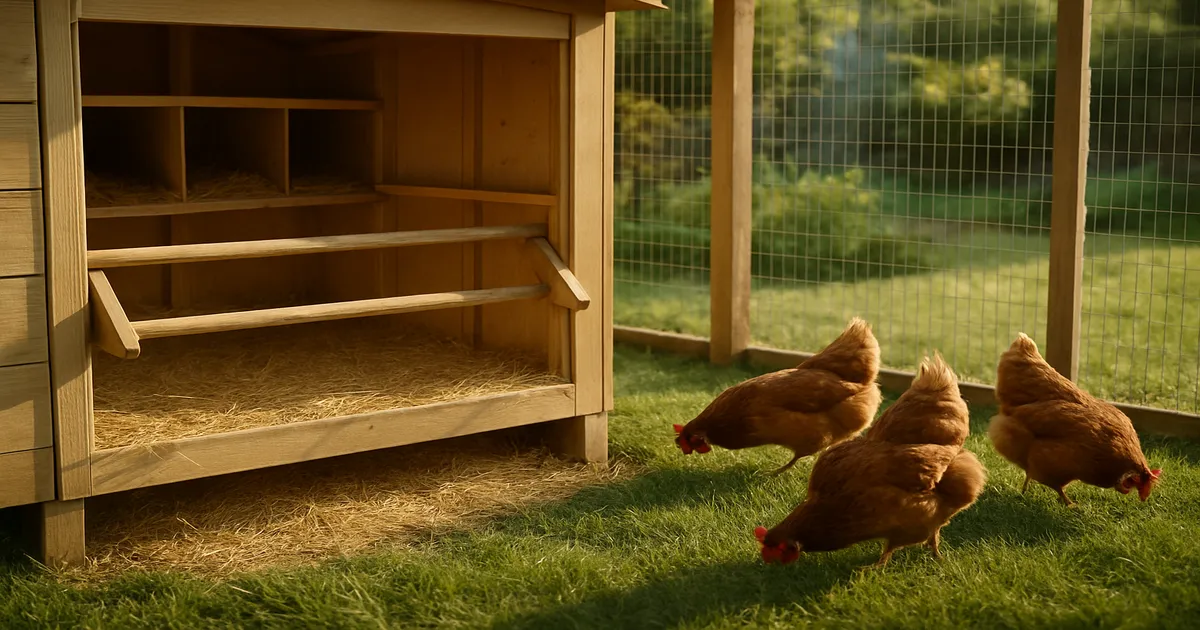
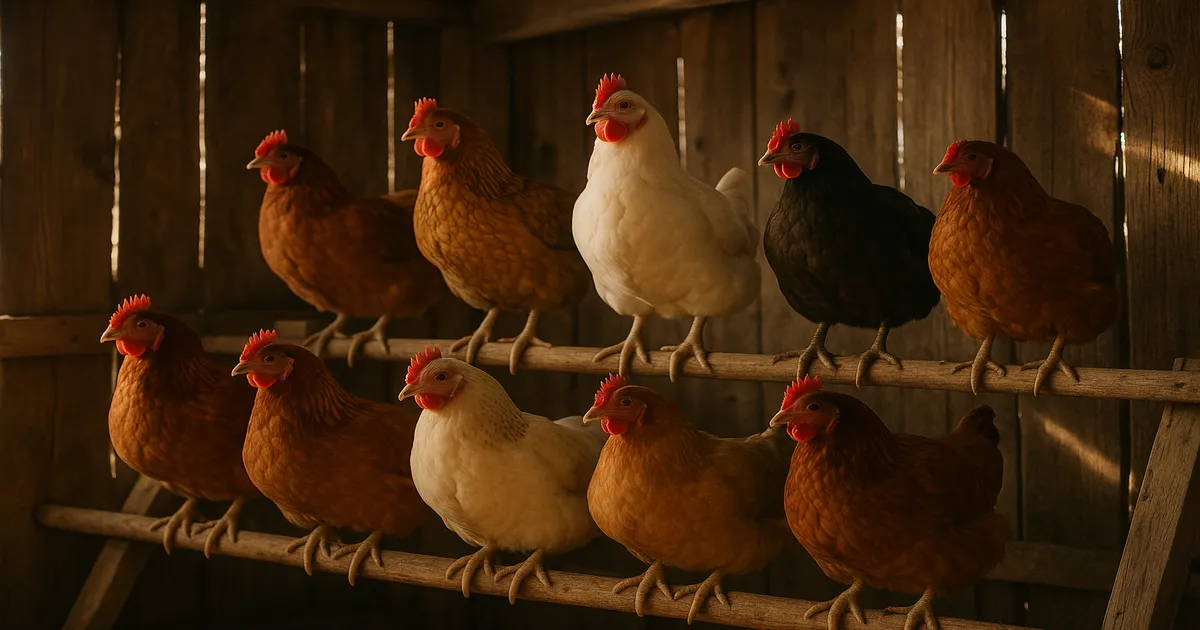
Roost bars should be 2–4 inches wide with a flat top. Round dowels force birds to grip tightly all night, causing foot fatigue and increasing bumblefoot risk. Allow 8–12 inches of linear roost space per standard bird, positioned 18–36 inches off the ground and always higher than nesting boxes.
Bedding and Parasite Control
Provide 1 nesting box per 3–4 hens, lined with 3–4 inches of pine shavings, straw, or hemp bedding. Change bedding when soiled — dirty nest boxes are a breeding ground for bacteria and parasites. The deep litter method works well for coop floors when managed correctly, but it requires regular monitoring and turning to prevent ammonia buildup.
Feeding for Immunity: Nutrition’s Role in Flock Health
Matching Feed to Life Stage
| Life Stage | Feed Type | Protein % |
|---|---|---|
| Chicks 0–8 weeks | Chick Starter | 18–22% |
| Pullets 8–18 weeks | Grower/Developer | 15–18% |
| Laying hens 18+ weeks | Layer Feed | 15–18% |
| Molting hens | Flock Raiser or High-Protein | 20–22% |
Transition between feed types gradually over about a week to avoid digestive upset.
Calcium, Grit, and Why They Matter
Offer crushed oyster shell free-choice in a separate container — laying hens self-regulate based on need. Don’t add it to chick or grower feed, as excess calcium can damage developing kidneys. Thin or soft-shelled eggs are often the first sign of calcium deficiency.
Insoluble grit (granite or flint) serves a completely different purpose from oyster shell — it helps the gizzard grind food. Confined hens must be provided grit; free-rangers typically find their own.
Treats, Fermented Feed, and Gut Health
Keep treats to no more than 10% of total diet. More than that dilutes protein and calcium intake, which directly impacts immunity and production. Mealworms are an excellent high-protein treat during molt. Fermenting layer feed for 24–72 hours increases nutrient bioavailability and supports gut microbiome health — many keepers report firmer droppings and fewer digestive issues as a result.
Water Quality: The Most Underrated Health Factor
A standard laying hen drinks 1–2 cups of water per day. In heat above 90°F (32°C), that can double or triple. Clean and refill waterers daily — dirty water is a primary vector for bacterial disease. In freezing climates, a heated waterer is essential. Dehydration in winter is a serious and underappreciated risk, especially when keepers assume birds are drinking from snow.
Seasonal Patterns: When Are Chickens Most Likely to Get Sick?
Fall and Winter: Respiratory Risk Season
As daylight drops and birds spend more time confined, respiratory illness risk climbs. Reduced airflow, rising ammonia, and temperature stress create ideal conditions for Mycoplasma and other respiratory pathogens. Bantams and Mediterranean breeds like Leghorns feel this most acutely. Cold-hardy breeds — Wyandottes, Dominiques, Chanteclers — handle winter confinement considerably better. In a harsh climate, breed selection matters as much as coop quality.
Spring and Summer: Parasite and Heat Stress Season
Warmer temperatures send mite and lice populations into overdrive. This is when monthly parasite checks become non-negotiable. Heat above 90°F (32°C) also doubles water needs and stresses birds significantly — ensure shade, ventilation, and constant access to cool, fresh water.
Molt Season: Extra Vulnerability in Fall
Molt typically runs 8–16 weeks in fall. Hens stop laying, look rough, and need higher-protein feed (20–22%) to support feather regrowth. They’re also more vulnerable to parasites during this period because immune resources are directed toward regrowing feathers.
Broody hens present a similar challenge — they eat and drink less, lose body weight, and rarely leave the nest to dust bathe. Check broody hens closely for mites and lice, which can reach problematic levels quickly on a bird that isn’t moving around.
Building a Biosecurity Routine to Reduce How Often Chickens Get Sick
Monthly Health Checks: What to Examine
Make hands-on checks a monthly habit. For each bird:
- Weigh the bird — sudden weight loss shows up here before it’s visible
- Feel the keel bone — it should not be sharp and prominent
- Inspect vent feathers for mites, lice, or fecal buildup
- Check foot pads for early bumblefoot scabs
- Observe comb color — pale or shrunken combs signal health issues
- Note droppings — watery, bloody, or unusually colored warrants investigation
Establish a baseline for each bird. Deviations become obvious when you know what healthy looks like for that individual.
Quarantine Protocols for New Birds
Quarantine every new bird for a minimum of 30 days in a completely separate space — different airspace, different tools, different caretaker order (visit new birds last). This is non-negotiable. Many of the most common flock diseases — Mycoplasma, Marek’s, external parasites — arrive on birds that appeared perfectly healthy at purchase.
When to Call a Vet vs. Treat at Home
Home treatment is appropriate for Grade 1–2 bumblefoot, minor mite or lice infestations, and mild individual respiratory symptoms in an otherwise healthy flock. Call a vet when you see:
- Bloody droppings in multiple birds — could be coccidiosis or a more serious pathogen
- Neurological symptoms — leg paralysis, twisted neck, loss of coordination
- Rapid unexplained deaths — more than one bird in a short period
- Respiratory illness spreading quickly through the flock
Find an avian vet before you need one. In a crisis, searching cold wastes critical time.
Frequently Asked Questions About Chicken Health
How often do your chickens get sick on average?
Most well-managed backyard flocks experience 1–3 notable health events per bird per year. External parasites are the most frequent issue, followed by respiratory infections and digestive problems. Flocks with good housing, appropriate stocking density, and monthly health checks tend to stay at the low end of that range.
What are the most common diseases in backyard chickens?
External parasites (mites and lice) top the list, affecting an estimated 60–80% of flocks annually. Respiratory infections are second, followed by coccidiosis in young chicks and bumblefoot in adult birds. Marek’s disease is nearly universally present in soil but is preventable with day-one vaccination.
How do I know if my chicken is sick?
The earliest signs are behavioral: lethargy, standing apart from the flock, puffed-up feathers, and reduced appetite. Physical symptoms that demand immediate action include a pale or shrunken comb, labored breathing, swollen face or wattles, and a prominent keel bone. A sudden unexplained drop in egg production is also one of the most reliable early indicators.
How often should I check my chickens for mites and lice?
At least once a month — more frequently during warm months when parasite populations peak. Part the feathers around the vent, under the wings, and at the base of the neck. If you find live parasites, treat birds and coop simultaneously and re-examine in two weeks.
Can chickens recover from respiratory infections on their own?
Mild cases sometimes resolve with supportive care — good ventilation, reduced stress, and access to clean water. However, many respiratory pathogens like Mycoplasma gallisepticum become chronic even after symptoms clear. Birds recover but remain carriers, which means any new bird you introduce is at risk. If symptoms spread quickly or a bird stops eating, contact an avian vet rather than waiting it out.