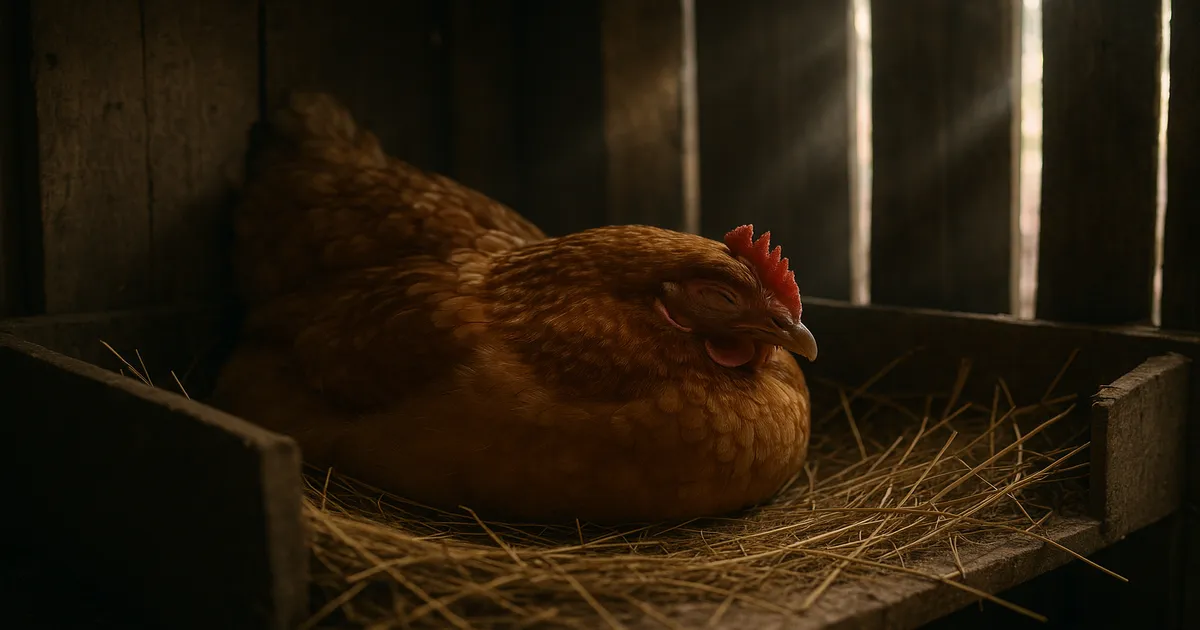
Quick Answer: The safest ways to reduce egg production in backyard chickens are reducing light exposure below 12 hours per day, switching to a lower-protein maintenance or all-flock feed, and choosing heritage or dual-purpose breeds that naturally self-regulate. You can also work with natural cycles — fall molt, broodiness, and shorter winter days — to give your hens a well-earned rest without harming their health.
Knowing how to reduce egg production is a legitimate, responsible part of backyard chicken keeping — and more keepers ask about it than you might expect. Maybe you’re drowning in eggs every summer, your aging hens deserve a break, or you’re transitioning toward dual-purpose or meat birds. Whatever the reason, there are safe, effective ways to dial things back without stressing your flock or compromising their health.
Why Reduce Egg Production?
Surplus eggs are the most common trigger. Fresh eggs keep about three to five weeks refrigerated, and a flock of six Leghorns laying five or six eggs each per week generates 30-plus eggs — a genuine logistical challenge. Beyond the surplus problem, continuous laying takes a real physical toll. A hen hatches with roughly 2,000–4,000 ova — her lifetime supply. High-production breeds like ISA Browns and Golden Comets burn through that supply fast, front-loading most of their laying into years one and two. Strategic production breaks can extend a hen’s productive life.
Other common reasons include managing an aging flock, phasing toward heritage or dual-purpose breeds, or simply preferring a more natural rhythm — a flush of eggs in spring and summer, a quiet winter. Working with the seasons rather than against them is better for hen health and, honestly, less work for you.
Breed Selection: Start With the Right Hen
High-Production Breeds Are Hard to Dial Back
Leghorns, Golden Comets, and ISA Browns were bred to maximize output — 280–320 eggs per year in peak condition. They have very little seasonal rhythm left in them, rarely go broody, and molt quickly. You can reduce their production through lighting and diet, but they’ll resist every step of the way. They’re also high-strung; abrupt management changes can trigger a 20–40% production drop from stress alone.
Dual-Purpose Breeds That Self-Regulate
Buff Orpingtons, Plymouth Rocks, and Sussex hens lay 150–200 eggs per year and respond much more naturally to seasonal and dietary management. They’re calmer, tolerate flock changes better, and are far easier to manage when moderate, flexible output is the goal.
Heritage Breeds With Strong Seasonal Rhythms
Breeds like the Dominique, Buckeye, and Java lay 120–180 eggs per year and follow pronounced seasonal patterns. They slow down significantly in winter without any intervention — exactly what you want if a natural production cycle is the goal.
Broody-Prone Breeds as Natural Production Pausers
This is the most hands-off reduction strategy available. Silkies go broody three to five times per year, with each cycle lasting three to eight weeks of zero laying. Cochins go broody two to four times per year; Buff Orpingtons one to three times. If you want built-in production pauses, these breeds deliver them reliably.
Low-Output Ornamental Breeds
Breeds like the Polish lay as few as 50–100 eggs per year. If low production is the goal from the start, breed selection is the simplest solution — no ongoing management required. Note that Seramas, while small, are not reliable layers and vary widely by line; they’re better chosen for their ornamental qualities than as a production-management tool.
Lighting Management: The Most Effective Way to Reduce Egg Production
How Light Controls the Laying Cycle
Light stimulates the hen’s pineal gland, triggering the release of luteinizing hormone, which drives follicle development. Hens need 14–16 hours of light per day to maintain peak production. Drop below 12 hours and you’re signaling their bodies to slow — or stop — the laying cycle. It’s the most powerful lever you have.
Reducing Artificial Light
If you’re running supplemental lighting in your coop to extend winter production, reducing or eliminating it is the fastest way to drop output. Use a programmable timer to make changes consistent and gradual — something like the BN-LINK Short Period Repeat Cycle Timer works well for this. Cut back by 30–60 minutes per week rather than switching the light off overnight. Abrupt changes stress the flock.
Letting Natural Daylight Do the Work
For heritage and dual-purpose breeds, simply removing supplemental lighting and letting fall and winter daylight take over is often enough. Without supplemental light, heritage breeds may drop to zero to one egg per week in winter; even production breeds typically fall to one to three eggs per week.
Safe Lighting Reduction Schedule
- Reduce light by 30–60 minutes per week until you reach your target
- Aim for 10–12 hours of light for a significant production reduction
- Never drop below 8 hours — this can disrupt normal biological rhythms
- Use a timer to keep changes consistent
Dietary Adjustments to Gently Lower Output
How Protein Drives Egg Production
Protein is the nutritional engine behind laying. Standard layer feed runs 16–18% protein specifically to maximize output. Dropping to a maintenance or all-flock feed at 14–16% protein can reduce production by 10–20% without causing health harm. It’s a gentle, safe adjustment.
Purina Flock Raiser Crumbles is a widely available option in this range and works well for mixed flocks or off-season management. Just make sure oyster shell remains available free-choice alongside it — all-flock feeds don’t include the calcium levels actively laying hens need.
Using Scratch Grains Strategically
Scratch grains typically run 8–10% protein. Offering a little more scratch in winter gently dilutes overall protein intake and has been a traditional production management tool for generations. Don’t overdo it — scratch is low in nutrients beyond carbohydrates and shouldn’t exceed 10–15% of the daily diet.
What Never to Restrict: Calcium and Water
Calcium restriction will reduce laying, but it causes egg binding and osteoporosis — both serious health problems. Always offer oyster shell free-choice. Never restrict water either; even mild dehydration drops production significantly and harms overall health. These are not levers to pull.
Natural Methods: Broodiness, Molt, and Seasonal Cycles
Encouraging Broodiness as a Production Pause
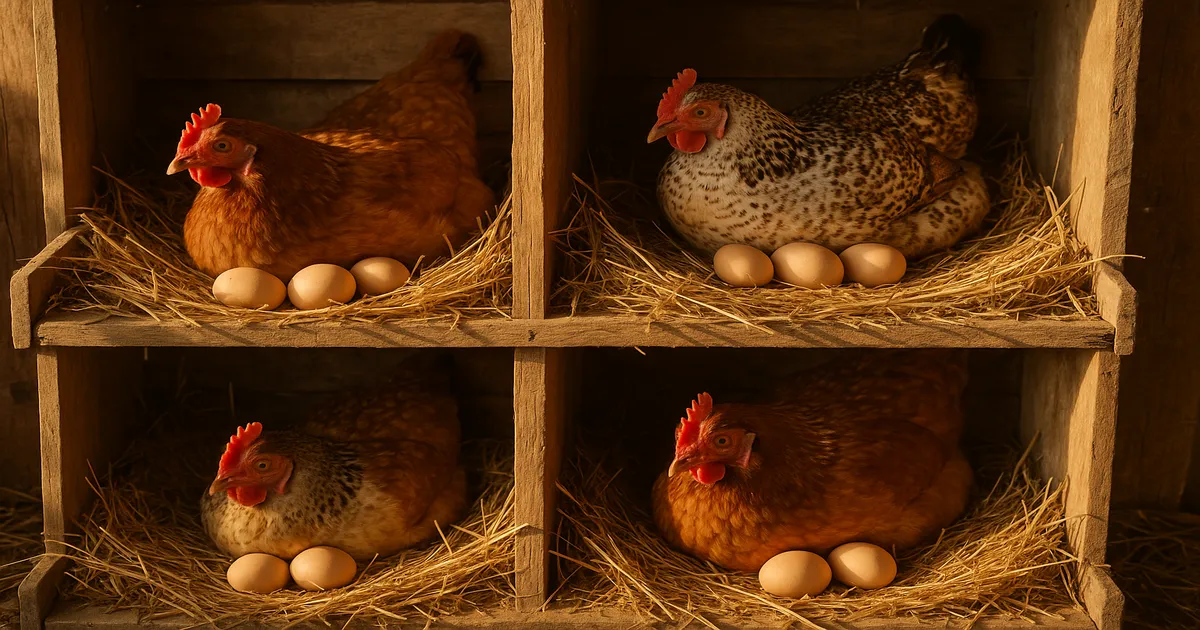
A broody hen stops laying entirely. For breeds predisposed to broodiness, you can encourage it by providing darkened, enclosed nesting boxes with a few ceramic nest eggs or golf balls to sit on. Once broody, a hen typically stays that way for three to eight weeks, then takes additional time after the cycle ends before resuming full production.
The Fall Molt: A Built-In 6–12 Week Break
Every fall — typically September through November in the Northern Hemisphere — hens redirect their protein toward feather regrowth and stop laying for six to twelve weeks. This is a natural, built-in production pause you don’t have to engineer. Just work with it.
During the molt, temporarily switch to a higher-protein flock raiser (18–20%) to speed feather regrowth. Once the molt is complete, drop back to a 14–16% maintenance feed to extend the production pause into winter. It’s a simple two-step that works with your hens’ biology rather than against it.
Flock Management Adjustments
Flock Size and Total Output
The simplest way to reduce your total egg count is to reduce the number of hens. Rehoming high-production birds or replacing them over time with lower-output heritage breeds gradually shifts your baseline without any ongoing management effort.
What to Avoid
Overcrowding does reduce production by 10–25%, but it also causes disease, feather pecking, and serious welfare problems. Don’t go there. Maintain proper space minimums — at least 4 sq ft per bird inside the coop and 10 sq ft per bird in the run.
Poor ventilation and extreme heat also suppress laying, but these are accidental, harmful reductions — not tools. A well-managed coop with good airflow keeps hens healthy and gives you control through intentional methods rather than chronic stress.
Is It a Planned Reduction or a Health Problem?
This distinction matters. A planned production drop looks calm and gradual — hens are active, eating well, have bright red combs, and are behaving normally. A problem drop looks different.
Concerning signs that warrant investigation:
- Sudden drop of more than 50% in a week with no management changes
- Pale or shrunken comb
- Lethargy, hunched posture, or ruffled feathers
- Respiratory sounds, nasal discharge, or swollen sinuses
- Diarrhea, especially bloody
- Straining to lay or “penguin stance” — this is an emergency indicating possible egg binding
Diseases that cause sudden egg loss include Infectious Bronchitis (30–70% drop with respiratory symptoms), Marek’s Disease (production drops to zero alongside leg or wing paralysis), and Coccidiosis (rapid drop with bloody diarrhea and lethargy).
Parasites — particularly Northern Fowl Mites and Red Mites — cause 20–40% production drops alongside pale combs, weight loss, and excessive preening. Check under vent feathers and along roost bars after dark. Treat birds and the coop simultaneously with a permethrin-based poultry spray and repeat in 7–10 days.
If a production drop is accompanied by any of the symptoms above, treat it as a health issue — not a management opportunity. A poultry-experienced vet can run diagnostics and rule out infectious disease. Don’t wait more than 48 hours if a hen appears seriously ill.
Frequently Asked Questions
What is the safest way to reduce egg production in chickens?
Gradually reducing light exposure is the safest and most effective method. Dropping coop lighting below 12 hours per day triggers a natural hormonal slowdown with no health risks. Pairing this with a slight protein reduction — switching from 16–18% layer feed to a 14–16% maintenance or all-flock feed — can reduce output further without harming the birds.
Will reducing light in the coop stop my hens from laying?
It significantly slows production and can stop it almost entirely in heritage breeds. Hens need 14–16 hours of light to maintain peak laying; below 12 hours, production drops 50–100% in many breeds. The key is reducing light gradually — by 30–60 minutes per week — to avoid stressing the flock.
Can changing chicken feed reduce how many eggs they lay?
Yes, within limits. Switching from a 16–18% protein layer feed to a 14–16% maintenance or all-flock feed can reduce production by 10–20%. Increasing scratch grains or treats beyond 10–15% of the diet also dilutes protein intake and gently lowers output. Never restrict calcium or water — both cause serious health problems.
Which chicken breeds naturally lay the fewest eggs?
Ornamental breeds like the Polish lay as few as 50–100 eggs per year with minimal intervention. Broody-prone breeds like Cochins and Brahmas also produce far fewer eggs due to frequent broodiness cycles. Heritage breeds like the Dominique and Buckeye land in the middle at 120–180 eggs per year with strong natural seasonal rhythms.
How do I know if my hen stopped laying due to illness or natural causes?
A natural production drop is gradual and tied to season, age, or management changes — the hen looks healthy, eats normally, and has a bright comb. An illness-related drop is often sudden and accompanied by other symptoms: pale comb, lethargy, respiratory sounds, diarrhea, or weight loss. If you see those signs alongside a production drop, consult a poultry vet rather than assuming it’s a management issue.