Quick Answer: To help a hen regain weight after being sick, work through three phases: rehydrate first with electrolyte water (days 1–3), transition to soft high-protein foods like scrambled eggs and plain yogurt (days 2–7), then switch to a high-protein recovery feed of 20–24% crude protein (days 5–21+). Full recovery typically takes 3–6 weeks depending on how much weight she lost and what caused the illness.
Watching a hen waste away after illness is genuinely stressful. Knowing how to help your hen regain weight after being sick makes the difference between a full comeback and a bird that never quite bounces back. The good news is that chickens are resilient. With the right feeding protocol and a proper recovery setup, most hens can return to a healthy weight and eventually resume laying.
Quick Assessment: Is Your Hen Clinically Underweight?
Before starting the recovery protocol, you need to know how much ground you’re working with.
The Keel Bone Test
Pick up your hen and run your fingers along her breastbone (the keel). In a healthy bird, you can feel the keel but it’s padded on both sides with muscle — it shouldn’t feel sharp. If it feels like a knife blade with no cushioning, she’s underweight and needs active intervention.
A hen that has lost 10–15% of her healthy body weight needs immediate nutritional support. At 15–20% or more, call a vet. At that level, the underlying illness is likely still active, and nutrition alone won’t be enough.
Breed Weight Baselines
Proportional weight loss matters enormously. A 0.3 lb loss in a Silkie (who normally weighs 1.1–2.2 lbs) is a medical emergency. The same loss in a Brahma barely registers.
| Breed Type | Healthy Weight Range |
|---|---|
| Bantams (Silkie, Sebright) | 1.1–2.2 lbs (0.5–1.0 kg) |
| Lightweight (Leghorn, Ancona) | 4.5–5.5 lbs (2.0–2.5 kg) |
| Medium dual-purpose (Rhode Island Red, Plymouth Rock, Wyandotte) | 6.5–8.5 lbs (2.9–3.9 kg) |
| Heavy heritage (Buff Orpington, Brahma, Cochin) | 8–12 lbs (3.6–5.4 kg) |
Other Signs of Poor Body Condition
Beyond the keel bone, look for:
- Sunken or dull eyes
- Pale, shrunken comb and wattles
- Dull, brittle, or broken feathers
- Feathers held tightly against the body
- Hunched posture or reluctance to move
If several of these signs appear alongside a prominent keel, she needs the full recovery protocol below.
Setting Up a Recovery Space
Isolation isn’t optional. It protects your recovering hen from flock bullying and prevents disease from spreading in either direction.
A weak hen is a target. Flock mates will peck at her, outcompete her for food, and stress her at exactly the moment her body needs all its energy for healing. Separate her immediately.
Temperature, Bedding, and Ventilation
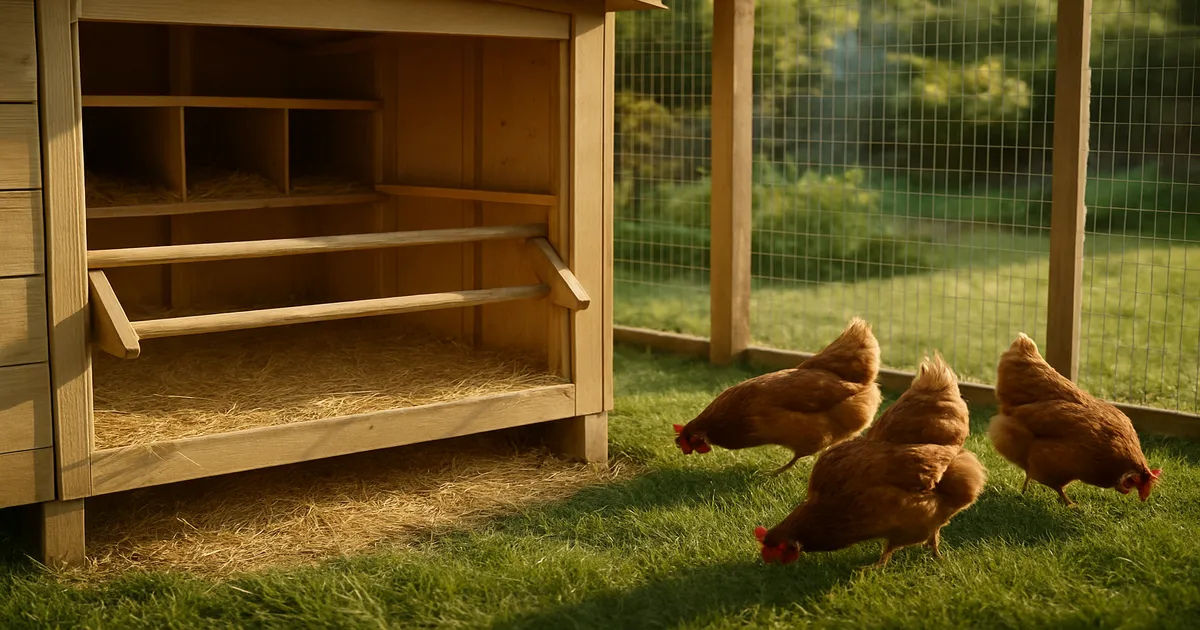
Set up a dedicated sick bay with at least 4 sq ft of floor space. Keep the temperature at 65–75°F (18–24°C) — a sick hen can’t thermoregulate efficiently, and chilling stalls recovery. A flat-panel radiant heater is the safest option for supplemental warmth; traditional heat lamps carry a real fire risk.
Use 4–6 inches of dry pine shavings as bedding and change it every 1–2 days. Damp bedding promotes fungal growth and chilling. Avoid cedar shavings entirely — the aromatic oils irritate the respiratory tract.
Good ventilation matters even in winter. Ammonia from droppings suppresses respiratory immunity, and a sick hen’s lungs are already under stress. Position vents high on the walls so fresh air circulates without cold drafts hitting her directly.
Keeping Her Connected to the Flock
Stress slows recovery. If your sick bay sits inside or adjacent to the main coop, she can see and hear her flock mates — that social connection genuinely helps. Just make sure there’s no physical contact through the barrier. Half-inch hardware cloth works well for dividers and keeps predators out, which matters since a recovering hen can’t flee.
Phase 1 — Rehydration: The Critical First Step (Days 1–3)
A dehydrated gut cannot absorb nutrients, so feeding a dehydrated hen is largely wasted effort. A hen can lose up to 10% of her body weight in water alone within 24 hours of not drinking. Rehydration always comes first.
Electrolyte Solutions
Mix a simple DIY solution: 1 teaspoon table salt + 1 tablespoon sugar + ½ teaspoon baking soda per quart of water. Offer this for the first 24–48 hours, then transition to fresh water with electrolytes available as a supplement. Commercial options like Sav-A-Chick or Durvet Poultry Electrolytes are convenient and well-formulated — just follow the label dosing.
Encouraging a Reluctant Hen to Drink
If she won’t drink on her own, gently dip her beak into the water every 2–3 hours. Don’t force it — just let the water touch her beak and she’ll usually swallow instinctively. Signs she’s adequately hydrated: moist mucous membranes inside the beak, skin that snaps back quickly when gently pinched at the neck, and droppings returning to a more normal consistency.
Phase 2 — Soft Foods: Rebuilding Appetite (Days 2–7)
Once she’s drinking reliably, introduce easily digestible soft foods. The goal here is caloric intake and gut stimulation — maximum protein comes in Phase 3.
Best options:
- Scrambled eggs (no salt, no butter) — yes, it’s ironic, but chickens love eggs and they’re one of the most bioavailable protein sources you can offer
- Plain cooked oatmeal with a spoonful of plain Greek yogurt stirred in
- Plain cooked rice — gentle on a recovering digestive system
- Watermelon or cucumber — high water content supports continued hydration while providing vitamins
Her stomach has likely shrunk, so overfeeding causes digestive upset and can slow recovery. Offer 2–3 tablespoons of soft food, 3–4 times daily. Watch for enthusiasm — a hen who starts eating eagerly is a hen who’s turning a corner.
Restoring Gut Health with Probiotics
Illness disrupts the gut microbiome, and antibiotics make it worse. Plain Greek yogurt provides live Lactobacillus cultures and mixes easily into soft foods. For a more targeted approach, poultry-specific probiotic products are worth adding to her routine. Continue probiotics for at least two weeks after finishing any antibiotic course.
Phase 3 — High-Protein Recovery Feeding: Building Weight Back (Days 5–21+)
How to Help a Hen Regain Weight After Being Sick: Choosing the Right Feed
Standard layer feed contains 16–18% crude protein — fine for a healthy laying hen, but not enough for a bird actively rebuilding muscle and tissue. Think of it like asking someone recovering from surgery to eat a maintenance-calorie diet. The math doesn’t work.
Match the feed to the severity of weight loss:
- Grower/developer feed (18–20% protein): A solid step up for mild to moderate cases
- Broiler/meat bird starter (22–24% protein): Appropriate for significantly underweight hens; use for 2–3 weeks, then transition back
- Game bird feed (24–30% protein): Reserve for the most severe cases only, and limit to 1–2 weeks maximum — that level of protein puts stress on the kidneys
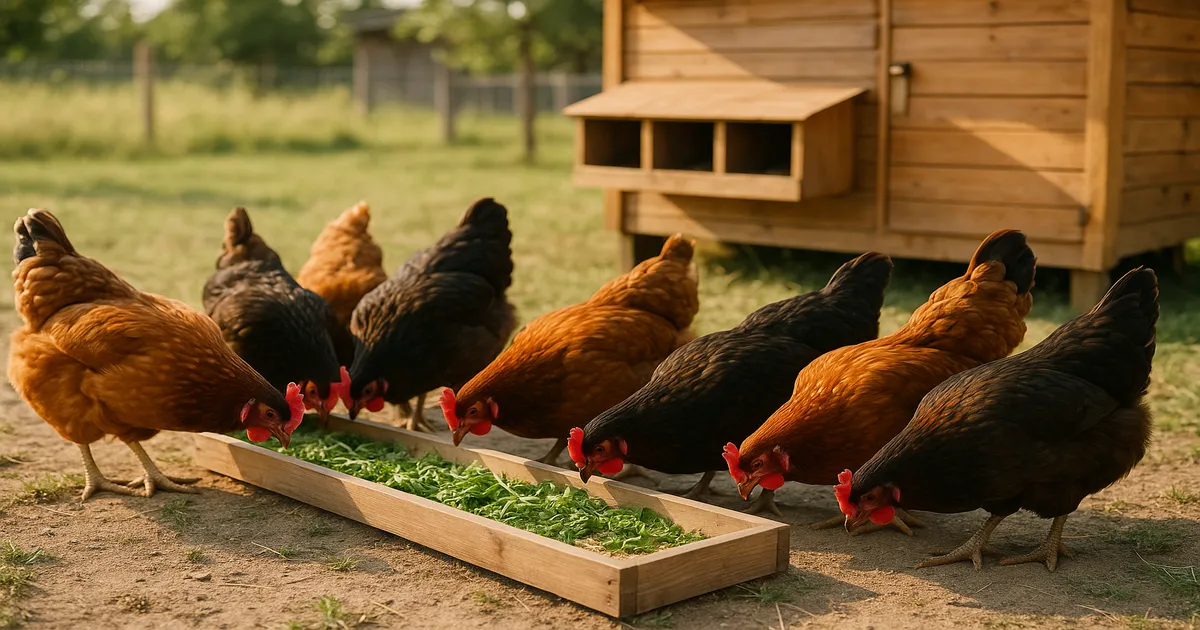
Don’t want to buy multiple bags? Blend standard layer pellets with broiler starter at a 50:50 ratio to reach approximately 20–21% protein without waste.
High-Value Protein Supplements
These additions make a real difference, especially in the first two weeks:
| Food | Protein Content | Serving Size | Frequency |
|---|---|---|---|
| Dried mealworms | 53% by weight | 1 tablespoon | 3–4×/week |
| Black soldier fly larvae | 40% by weight | 1 tablespoon | 3–4×/week |
| Sardines in water (no salt) | 25g per 100g | 1–2 small sardines | 2×/week |
| Pumpkin seeds | 19% by weight | 1 teaspoon | 3×/week |
| Plain Greek yogurt | 10g per 100g | 2 tablespoons | Daily |
| Cooked lentils | 9g per 100g | 2 tablespoons | 3×/week |
| Scrambled or hard-boiled egg | ~6g per egg | ¼–½ egg | Daily |
| Black oil sunflower seeds | 16% protein, high fat | 1 teaspoon | Daily |
Calcium, Vitamins, and Grit
Calcium: Don’t push extra calcium on a hen who isn’t laying. Her kidneys process excess calcium, and too much causes kidney damage. Offer oyster shell free-choice in a separate dish — she’ll self-regulate. When she resumes laying, she’ll need roughly 4–5g of calcium daily, which a combination of layer feed and free-choice oyster shell covers.
Key vitamins for recovery:
- Vitamin A — immune function and tissue repair; offer dark leafy greens, carrots, or sweet potato
- Vitamin D3 — critical for hens kept indoors without sunlight; supplement at 400–800 IU/day via poultry vitamin drops
- Vitamin E + Selenium — antioxidants that support immune recovery; wheat germ oil (½ teaspoon daily) or sunflower seeds work well
- B-complex — supports appetite and energy metabolism; brewer’s yeast at 1 teaspoon per day is an easy addition
Grit: A hen who’s been off solid food may have depleted grit stores in her gizzard. Offer insoluble granite grit free-choice when transitioning back to pellets or crumbles. Don’t confuse grit with oyster shell — they do completely different jobs. Grit stays in the gizzard to grind food; oyster shell dissolves to provide calcium.
Egg Production During and After Illness
Why Hens Stop Laying When Sick
Egg production is biologically expensive. A hen diverts all available protein and energy toward fighting illness, and most stop laying entirely within 24–48 hours of becoming sick. This is normal — her body is making the right call.
When to Expect Laying to Resume
Don’t expect eggs on a tight schedule. Here’s a realistic timeline:
- Weeks 2–4 after recovery begins: Partial resumption — expect soft-shelled eggs, small eggs, or irregular cycles
- 4–8 weeks after she returns to healthy body weight: Full production recovery
One important caveat: production breeds like ISA Brown and Golden Comet are bred to lay so aggressively that they may start producing eggs before they’ve fully rebuilt body condition. If you see this happening, keep the high-protein feed going regardless.
Some illnesses cause lasting damage. Respiratory diseases — particularly Infectious Bronchitis and Mycoplasma gallisepticum — can permanently reduce laying capacity by 10–25% even after full physical recovery. Coccidiosis typically disrupts laying for 3–6 weeks post-treatment but rarely causes permanent reduction if caught early.
Managing Broodiness in a Recovering Hen
A broody hen barely eats or drinks, which is the last thing a recovering bird needs. If your hen goes broody during recovery, break the cycle promptly — place her in a wire-bottomed cage with food and water but no nesting material for 3–5 days. Breeds like Silkie, Buff Orpington, Cochin, and Brahma are particularly prone to broodiness, so watch them closely. Never use supplemental lighting to push a recovering hen back into production before she’s regained full body weight.
Monitoring Progress and Knowing When to Call a Vet
Tracking Recovery Without a Scale
Repeat the keel bone test weekly. You don’t need a scale — your hands are enough. The keel should feel progressively more padded over the weeks. Also watch her comb color (returning pink or red is a good sign), droppings quality (formed, with white urates), and overall energy level.
Weekly milestones to watch for:
- Day 3–5: Drinking voluntarily, alert to surroundings
- Day 5–7: Eating soft foods eagerly
- Week 2: Consuming solid feed freely, comb color improving
- Week 3: Visible weight gain, more active behavior
- Weeks 4–6: Approaching healthy body weight, possible return to laying
Red Flags That Require Veterinary Attention
Call a vet if you see:
- Weight continuing to drop despite active feeding intervention
- Bloody or watery diarrhea
- Neurological symptoms — head tilt, circling, or loss of balance
- Labored breathing or respiratory distress
- No improvement after 7–10 days of consistent care
Underlying conditions — worms, coccidiosis, Marek’s disease — must be diagnosed and treated for nutritional recovery to succeed. Feeding alone cannot overcome an active pathogen load.
Frequently Asked Questions
How long does it take for a hen to regain weight after being sick?
Most hens take 3–6 weeks to return to healthy body weight, assuming the underlying cause has been resolved. Severely underweight birds or those recovering from respiratory illness may need closer to 8 weeks for full recovery, including the return of normal egg production.
What is the best feed to help an underweight chicken gain weight?
Broiler starter or meat bird feed (22–24% crude protein) is the most effective option for rapid weight regain. For a practical middle ground, blend standard layer pellets 50:50 with broiler starter to reach roughly 20–21% protein. Supplement with dried mealworms, scrambled eggs, and sardines for additional high-quality protein.
How can I tell if my hen is too thin?
Run your fingers along her breastbone (keel bone). A healthy hen has a padded keel you can feel but not sharply. If it feels like a sharp blade with no muscle on either side, she’s underweight. Additional signs include a pale comb, sunken eyes, dull feathers, and a hunched posture.
Should I separate a sick hen from the rest of my flock?
Yes, always. Isolation prevents disease from spreading to the rest of the flock and protects the recovering hen from bullying and competition for food. Set her up where she can see and hear flock mates to reduce stress, but with no physical contact — a wire divider inside the coop works well.
When will my hen start laying eggs again after recovering from illness?
Expect partial laying — soft-shelled or small eggs — to resume in weeks 2–4 of recovery, with full production returning 4–8 weeks after she reaches healthy body weight. Some illnesses, particularly Infectious Bronchitis, can permanently reduce laying capacity by 10–25%, so adjust your expectations accordingly.