Quick Answer: For most backyard chickens, molting lasts 8–16 weeks, typically kicking off in late summer or early fall when daylight drops below 12 hours. Hard molters like Rhode Island Reds power through in 8–12 weeks, while soft molters like Buff Orpingtons may take 14–16 weeks. Egg production stops for most hens during this time, but with the right nutrition and management, your flock will bounce back stronger than ever.
If you’re staring at a yard full of scraggly, half-naked chickens and wondering what on earth is happening — welcome to molting season. How long chicken molting lasts is one of the most common questions new keepers ask, and for good reason: it’s alarming to watch, it kills your egg supply, and it raises real questions about what your birds actually need. This guide covers duration, breed differences, feeding strategy, housing adjustments, and health risks — everything you need to get your flock through molt in the best shape possible.
How Long Does Chicken Molting Last?
Most hens complete their molt in 8–16 weeks. That wide range exists because individual birds — and different breeds — lose and regrow feathers at very different rates. A hen’s first molt typically happens around 12–18 months of age, roughly one year after she starts laying. After that, she’ll molt every fall for the rest of her life.
Molt is triggered when daylight drops below roughly 12 hours per day — usually August through November in the Northern Hemisphere. It’s nature’s way of scheduling a rest-and-renewal period before winter sets in.
Hard Molters vs. Soft Molters
The single biggest factor in molt duration is whether your hen is a hard molter or a soft molter.
- Hard molters drop feathers fast and dramatically. They look rough, but they’re done in 8–12 weeks and return to laying sooner.
- Soft molters shed gradually and may barely look disheveled — but the process drags on for 14–16 weeks or more.
- High-production commercial breeds are selectively bred to be hard molters so they cycle back into production quickly.
Molting Duration by Breed
Hard Molters: Done in 8–12 Weeks
These breeds lose feathers rapidly and look rough, but they recover quickly:
- Rhode Island Reds — 8–10 weeks
- Barred Plymouth Rocks — 8–10 weeks
- Wyandottes — 8–10 weeks
- Leghorns — 8–12 weeks
- Sex Links (Black and Red) — 8–12 weeks
Soft Molters: 14–16 Weeks or More
Soft molters may never look completely bare, but their molt takes considerably longer:
- Buff Orpingtons — 14–16 weeks
- Brahmas — 14–16 weeks
- Cochins — 14–16 weeks
Easter Eggers and Ameraucanas typically fall in the middle at 10–14 weeks. Silkies — with their unique non-interlocking feather structure — molt subtly over 12–16 weeks.
Breed-by-Breed Molting Timeline
| Breed | Molt Type | Typical Duration |
|---|---|---|
| Rhode Island Red | Hard | 8–10 weeks |
| Barred Plymouth Rock | Hard | 8–10 weeks |
| Wyandotte | Hard | 8–10 weeks |
| Leghorn | Hard | 8–12 weeks |
| Sex Link (Black/Red) | Hard | 8–12 weeks |
| Easter Egger / Ameraucana | Moderate | 10–14 weeks |
| Silkie | Subtle | 12–16 weeks |
| Buff Orpington | Soft | 14–16 weeks |
| Brahma | Soft | 14–16 weeks |
| Cochin | Soft | 14–16 weeks |
Do Roosters Molt Too?
Yes — roosters follow the same seasonal schedule as hens. You may notice reduced crowing and less mating behavior during their molt. Both are normal and temporary.
What Happens Inside a Molting Hen
Molting is controlled by the thyroid gland, which detects shortening days and responds by redirecting the body’s protein resources away from egg production and toward feather regrowth. It’s a deeply wired survival mechanism — dense, fresh feathers are essential insulation heading into winter.
Decreasing daylight is the main trigger, but stress can kick off an out-of-season molt too. Common culprits include nutritional deficiency, illness, extreme heat, water deprivation for as little as 24–48 hours, or sudden flock disruption such as adding new birds or a predator attack. Stress molts are generally shorter and less organized than the natural fall molt, but they still disrupt laying.
The Stages of Feather Loss
Feather loss follows a predictable head-to-tail pattern:
- Head and neck — first to go
- Breast and body — second wave
- Back and wings — third stage
- Tail feathers — last to drop and regrow
As new feathers emerge, they appear as dark, waxy shafts called pin feathers (also called blood feathers). Each one contains active blood vessels, making them sensitive and painful if broken. Minimize handling during peak pin feather growth. If one breaks and bleeds, apply gentle pressure and watch for pecking from flockmates.
Egg Production During and After Molt
Feathers are 85–90% protein, and growing an entire new coat redirects the bulk of a hen’s dietary protein toward keratin production. Most hens drop to zero eggs for the bulk of their molt. Some high-production breeds like Leghorns may squeeze out an egg or two per week during a mild molt, but that’s the exception.
Expect a 2–4 week lag after feathers are fully regrown before laying resumes — the body needs time to rebuild its reproductive system. Feed quality during molt directly affects how quickly hens bounce back.
Here’s the silver lining: post-molt eggs are often noticeably larger, and production typically runs 10–15% above pre-molt rates in the first weeks back. That said, each subsequent laying season produces slightly fewer total eggs than the one before — that’s just biology.
Annual Egg Production Reference
| Breed | Eggs/Year | Egg Color |
|---|---|---|
| Rhode Island Red | 250–300 | Brown |
| Leghorn | 280–320 | White |
| Black Sex Link | 250–300 | Brown |
| Barred Plymouth Rock | 200–280 | Brown |
| Wyandotte | 200–240 | Brown |
| Easter Egger | 200–280 | Blue/Green |
| Buff Orpington | 175–200 | Brown |
| Brahma | 130–150 | Brown |
| Silkie | 80–120 | Cream/Tinted |
Feeding Chickens During Molt: Nutrition Is Everything
A single feather coat weighs roughly 4–7% of a hen’s total body weight and is almost entirely protein. If your birds don’t get enough, the molt drags on, feather quality suffers, and the return to laying gets delayed. Nutrition is the single most powerful lever you have.
Switch to a Higher-Protein Feed
Standard layer feed runs 15–16% crude protein — not enough to support active feather regrowth. At the first sign of feather loss, switch to a flock raiser, grower, or all-flock feed with 18–20% protein. Return to layer feed once feathers are fully regrown and laying has resumed.
Also pull back on high-calcium layer feed during active molt. Hens aren’t producing eggs, so they don’t need the extra calcium — and excess calcium puts unnecessary strain on the kidneys.
High-Protein Treats Worth Adding
These supplements pair well with an upgraded base feed:
- Black soldier fly larvae (BSFL): 40–45% protein — feed 1–2 tablespoons per bird per day
- Dried mealworms: 50–55% protein — limit to 1 tablespoon per bird per day to avoid weight gain
- Black oil sunflower seeds: 16–17% protein plus healthy fats for feather sheen — 1–2 tablespoons daily
- Scrambled or hard-boiled eggs: Complete protein, easy to prepare — 2–3 times per week
- Canned sardines in water: Good protein and omega-3s — once or twice per week
Cut back hard on scratch grains, bread, and other high-carb treats. They dilute dietary protein and extend the molt. During active feather loss, scratch should be eliminated or kept to an absolute minimum.
Calcium, Water, and Grit
Offer oyster shell free-choice in a separate container rather than mixing it into feed — hens will self-regulate and start consuming it again once laying resumes.
Water matters more than most keepers realize. Feather regrowth is water-intensive, and a standard hen drinks 1–2 cups (237–473 ml) per day — potentially more during molt. Keep fresh water available at all times and clean waterers every 2–3 days. (Harris Farms 5-Gallon Plastic Poultry Waterer) If your flock is confined rather than free-ranging, keep insoluble granite grit available free-choice alongside feed.
Coop and Housing During Chicken Molting
Space and Roost Setup
Overcrowding turns a normal molt into a welfare problem fast. Aim for at least 4 sq ft per bird inside the coop (6–8 sq ft for large breeds like Brahmas and Cochins) and 10 sq ft per bird in the run as a working minimum — more is always better. Molting birds are irritable and more vulnerable to bullying, so space is their best protection.
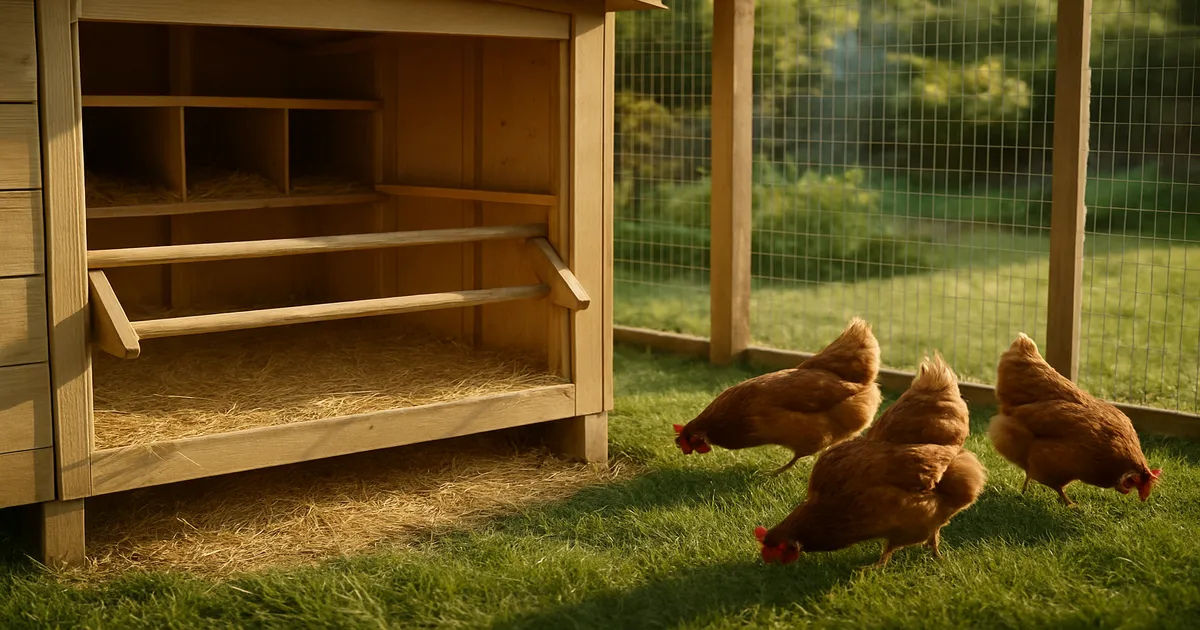
For roost bars, use flat 2×4 lumber turned wide-side up rather than round dowels. The flat surface lets birds cover their feet with their belly feathers, which matters especially during cold-weather molts. Space roost bars to allow 18 inches per bird to reduce pin feather contact between neighbors.
Bedding, Warmth, and Ventilation
Bare-skinned birds lose body heat quickly. Increase bedding to 6–8 inches of pine shavings for insulation and comfort. Avoid cedar shavings — the aromatic oils can irritate respiratory systems that are already under stress. Molting dramatically increases feather dust inside the coop, so make sure you have at least 1 sq ft of ventilation per 10 sq ft of floor space, positioned high on the walls so drafts don’t hit roosting birds directly. Keep interior humidity below 70% — damp air combined with bare skin is a recipe for chilling and respiratory trouble.
Health Risks During Molt
Feather Pecking and Cannibalism
Blood-filled pin feathers trigger the pecking instinct in flockmates. Once a bird is bleeding, things escalate quickly. Prevention is far easier than treatment: maintain adequate space, feed a high-protein diet, and provide enrichment like hanging cabbage heads or a flock block. Apply Blu-Kote to any visible wounds to mask the blood color. If a bird is being seriously targeted, isolate her until wounds heal.
Mites and Lice
Bare skin gives mites easier access, and molt-related immune stress reduces natural resistance. Inspect birds weekly — part the feathers near the vent, under the wings, and around the neck. Signs of infestation include excessive preening, restlessness at night, pale combs, and visible crawling insects or eggs at the feather base. Treat with 0.25% permethrin dust or spray applied to birds and the coop interior, and repeat in 7–10 days to break the egg cycle. Keeping a dust bath available year-round — with wood ash or food-grade diatomaceous earth — helps deter parasites between treatments.
Respiratory Infections and Other Concerns
Molt-stressed birds are more susceptible to Infectious Bronchitis, Mycoplasma Gallisepticum, and Aspergillosis (from moldy feed or damp bedding). Watch for coughing, sneezing, nasal discharge, or labored breathing, and consult a vet if symptoms spread. Bumblefoot — a bacterial footpad infection — is also more common when birds are stressed and roost surfaces are rough or splintered. Smooth roosts and soft bedding are your best prevention.
When Molting Is Taking Too Long
Most molts wrap up within 16 weeks. If yours hasn’t, watch for these red flags:
- Molt extending beyond 18 weeks with little or no new feather growth
- Persistent bare patches that aren’t filling in
- Significant weight loss or muscle wasting
- Lethargy or pale comb alongside feather loss
These warrant a closer look at nutrition, parasite load, and overall flock health — and possibly a call to a poultry vet.
Managing Molt Through Fall and Winter
Supplemental Lighting
Adding artificial light (targeting 14–16 hours of total light per day) can delay the light-drop trigger and extend the laying season. But once molt is already underway, supplemental lighting does not significantly shorten it. Some keepers choose to skip supplemental lighting for a season or two to let hens molt naturally and preserve long-term laying health. It’s a personal management call. (Hentronix Daylight LED Chicken Coop Light)
Protecting Bare Birds From Cold
A molting hen in November is genuinely vulnerable. Increase bedding depth, ensure the coop is draft-free but well-ventilated, and avoid heat lamps — they’re a serious fire risk and create temperature dependency. If temperatures regularly drop below 20°F (-7°C), a low-wattage flat panel coop heater mounted safely away from bedding is a far safer option.
Flock Dynamics During Molt
Molt shakes up the pecking order. Hens become irritable and reclusive, and dominant birds may lose condition temporarily. Monitor your flock more closely than usual. Multiple feeding stations, extra space, and enrichment activities — like a hanging flock block — go a long way toward keeping the peace.
Frequently Asked Questions About Chicken Molting
How long does chicken molting last?
Most chickens complete their molt in 8–16 weeks. Hard molters like Rhode Island Reds finish in 8–12 weeks. Soft molters like Buff Orpingtons can take 14–16 weeks or longer. Individual variation is normal — genetics, nutrition, and overall health all play a role.
Will my hens lay eggs during molt?
Most hens stop laying entirely during molt. The body redirects protein from egg production to feather regrowth. A few high-production breeds may lay sporadically, but expect little to nothing for the bulk of the molt, plus a 2–4 week lag before full production resumes.
Should I change my chickens’ feed during molt?
Yes — this is the most impactful thing you can do. Switch from standard layer feed (15–16% protein) to a flock raiser or all-flock feed with 18–20% protein. Add high-protein treats like dried mealworms or black soldier fly larvae. Cut back on scratch grains and other high-carb treats until feathers are fully regrown.
Is it normal for chickens to look terrible during molt?
Completely normal, especially for hard molters. Some birds look nearly naked and genuinely pitiful. As long as your hen is eating, drinking, and moving around, she’s fine. The rough appearance is temporary — most hens come out of molt with a noticeably better coat than they went in with.
Can I do anything to shorten how long molting lasts?
You can’t override the biology, but good nutrition gets you close to the short end of the range. High-protein feed, quality treats, clean water, and low-stress housing all help. What doesn’t help: supplemental lighting once molt has started, handling birds excessively, or making sudden changes to their routine.