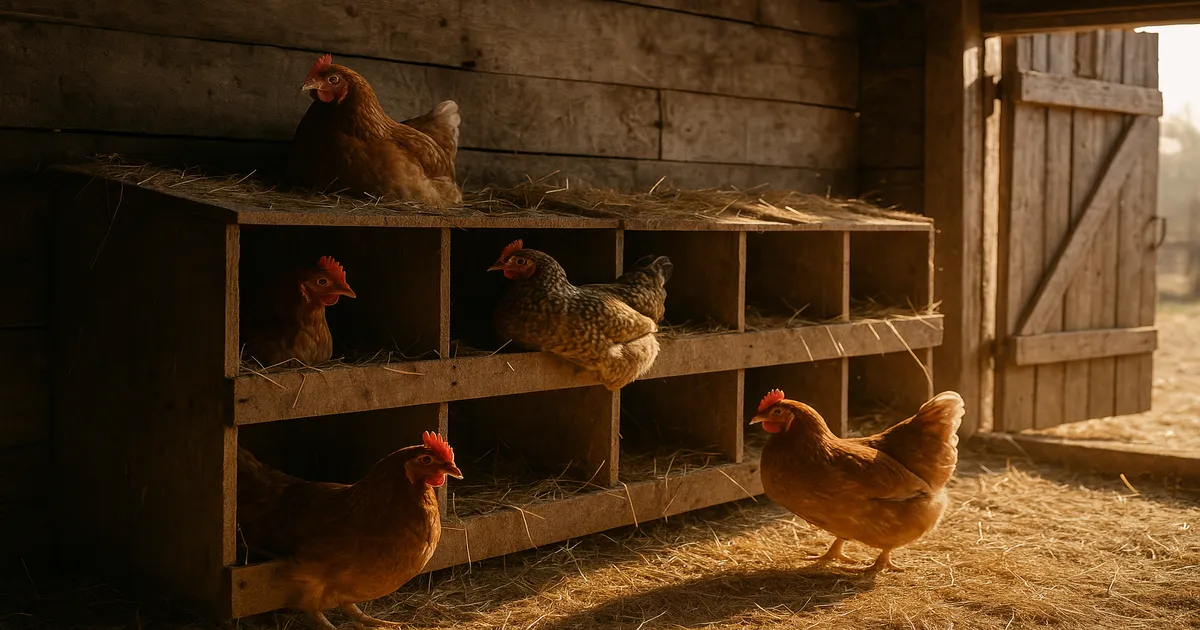
Quick Answer: Hens switch nests mainly because broody instinct pulls them toward egg-filled boxes, or pecking-order competition forces lower-ranking birds out of preferred spots. The fastest fixes are providing one nesting box per three hens, keeping roost bars higher than boxes, collecting eggs before 11 AM, and isolating any broody hen promptly.
If you’ve ever asked yourself how do you deal with hens switching nests, you’re in good company — it’s one of the most common flock management headaches keepers face. The good news is that most nest-switching is predictable, breed-specific, and very fixable once you understand what’s driving it.
Why Hens Switch Nests: The Two Main Causes
Broody Instinct: Chasing Clutches, Not Comfort
A broody hen isn’t looking for the nicest box — she’s looking for the most eggs. Once a nest accumulates 8–12 eggs, the sight, smell, and warmth of that clutch triggers the broody response in susceptible breeds. She’ll walk right past an empty box and wedge herself into an occupied one.
This is why leaving eggs in the nest “to encourage laying” backfires badly with broody-prone breeds. The fuller the nest, the more attractive it becomes to the next broody hen who walks by.
Pecking Order and Box Dominance
Higher-ranking hens claim the best boxes as a matter of social status. When a dominant Rhode Island Red or Plymouth Rock decides she wants a particular spot, the hen already sitting there doesn’t have much say. That displaced hen then pushes into another box, and the whole flock shuffles.
This kind of switching peaks when box options are limited. Give the flock fewer choices than they need, and the hierarchy plays out in the nesting area every single morning.
The 7–11 AM Rush Hour
Hens lay on a 24–26 hour cycle, and roughly 70–80% of all eggs are laid between 7:00 and 11:00 AM. That’s a massive traffic jam in a short window. If you only have four boxes for twelve hens, the math gets ugly fast during that morning rush.
How Molt and Seasons Reset Nest Preferences
When hens stop laying during their fall molt — typically 8–12 weeks — they lose their attachment to a specific box. When they return to laying, they’re essentially starting fresh, and that’s when switching spikes. Winter compounds the issue by reducing production 20–50%, concentrating the remaining layers into fewer warm, preferred spots.
How Do You Deal with Hens Switching Nests? Start with Your Setup
How Many Nesting Boxes Do You Actually Need?
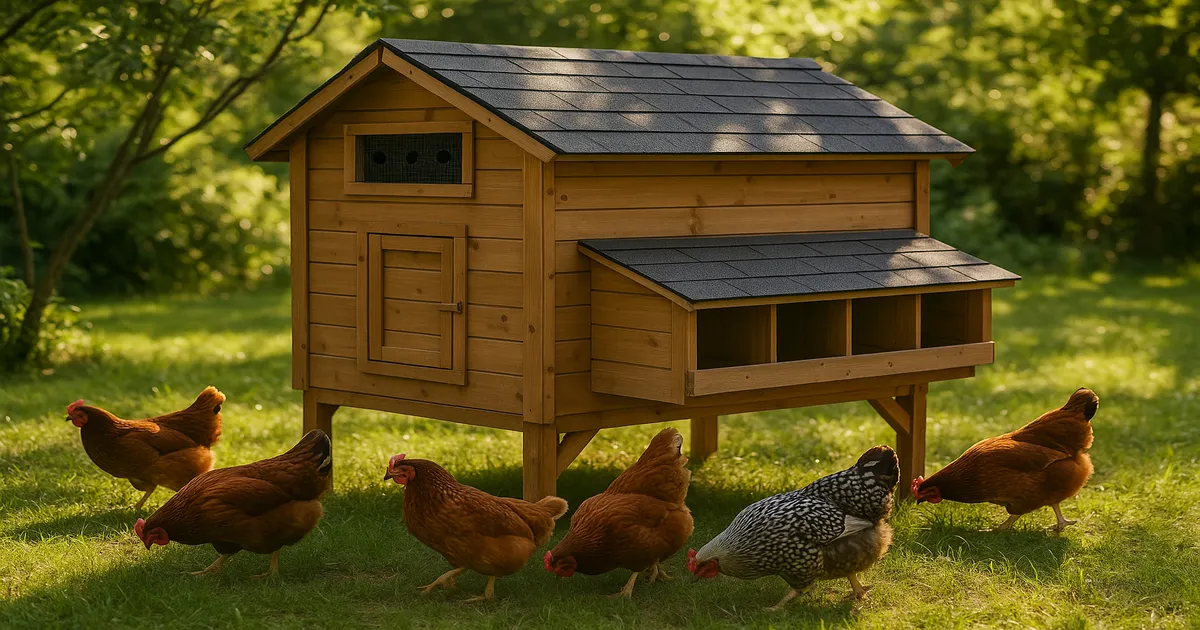
The standard recommendation is one box per three hens, with one per four or five as the bare minimum. For a flock of twelve, that means at least three boxes — ideally four. More boxes than you think you need is almost always better than fewer.
Get the sizing right and hens are far more likely to stay put:
- Standard breeds: 12” W × 12” D × 12” H
- Large breeds (Cochins, Buff Orpingtons): 14” W × 14” D × 14” H
- Bantams: 10” W × 10” D × 10” H
- Entry lip: 3–4 inches to keep nesting material in and eggs from rolling out
Roost Height: The Non-Negotiable Rule
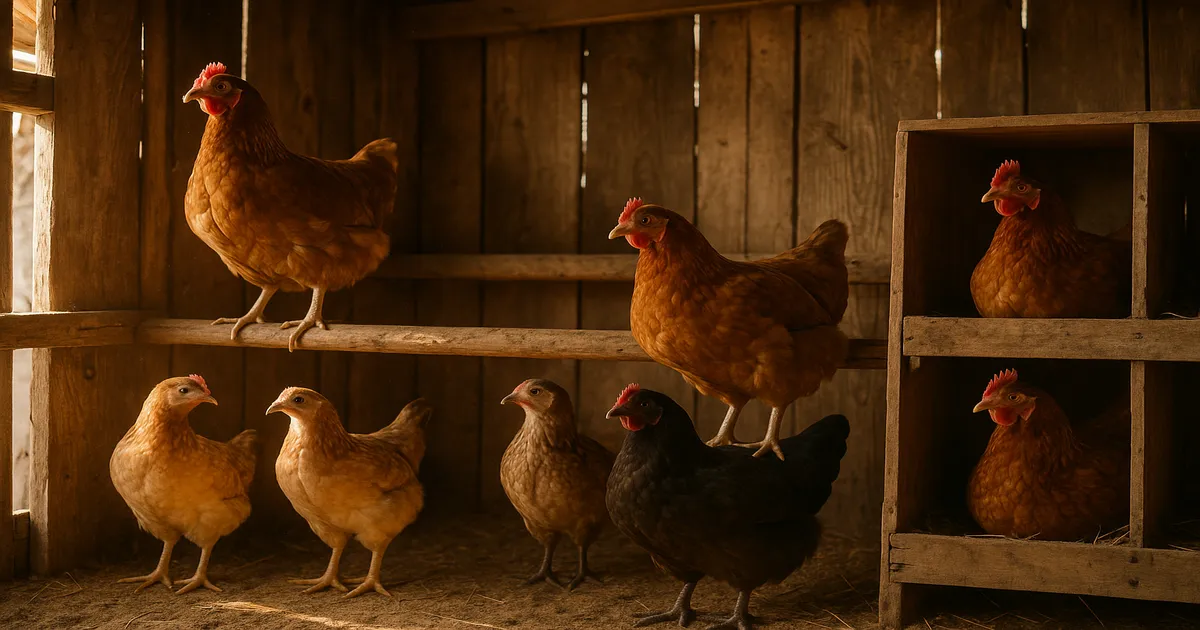
Mount boxes 18–24 inches off the floor. Too low and hens ignore them; too high and they become sleeping spots. Roost bars must always sit higher than nest boxes — if they don’t, hens will roost in the boxes overnight, soil them with droppings, and turn every box into a mess that other hens refuse to use. Roost bars should sit 2–4 feet off the floor, well above the box openings. Use 2×4 lumber laid flat-side up so hens can cover their feet in cold weather.
Curtains, Dividers, and Community Boxes
Hens are visual creatures. Watching another hen occupy a box they want creates stress and queuing behavior. Simple burlap curtains — fabric strips cut to hang over the box opening — dramatically reduce this. Hens can still push through, but they can’t see each other as easily, and “box watching” drops off quickly.
Solid dividers between individual boxes serve a similar purpose and prevent hens from piling into one another’s space.
A single large community box (24–36 inches wide) works well in calm, low-broody flocks but can backfire badly when dominant or broody hens are present — one bird will claim the whole thing. Start with individual boxes and only experiment with community setups if you have a particularly easygoing flock.
Which Breeds Switch Nests Most?
High-Risk Breeds: Silkies, Cochins, and Buff Orpingtons
Silkies score 5/5 on the broodiness scale and will genuinely abandon their own clutch to sit on a neighbor’s eggs. They lay only 2–3 eggs per week (roughly 100–120 per year), so their switching is almost always broodiness-driven, not competition.
Cochins are equally broody and famously persistent — remove a Cochin from a nest and she’ll be back within the hour. They lay a similar 100–160 eggs annually.
Buff Orpingtons sit at 4/5 for broodiness and produce 150–200 eggs per year. They’re gentle birds, but that sweetness doesn’t stop them from quietly taking over the fullest nest available.
Moderate-Risk Breeds: Plymouth Rocks, Australorps, and Rhode Island Reds
These breeds score around 2/5 for broodiness. Their nest-switching is driven more by dominance and box preference than by any urge to hatch eggs. Rhode Island Reds (250–300 eggs/year) and Plymouth Rocks (200–250 eggs/year) are assertive enough to displace other hens regularly. Australorps are calmer but still competitive, especially given their impressive laying output of 250–300 eggs per year.
Low-Risk Breeds: Leghorns and Other Production Layers
Leghorns score just 1/5 for broodiness — they almost never go broody. But they lay 280–320 eggs per year, which means they need a box constantly. Their switching is pure competition: too many eggs, not enough boxes.
| Breed | Broodiness (1–5) | Eggs/Year | Primary Switching Cause |
|---|---|---|---|
| Silkie | 5/5 | 100–120 | Broody instinct |
| Cochin | 5/5 | 100–160 | Broody instinct |
| Buff Orpington | 4/5 | 150–200 | Broody instinct |
| Plymouth Rock | 2/5 | 200–250 | Dominance/preference |
| Rhode Island Red | 2/5 | 250–300 | Dominance |
| Australorp | 2/5 | 250–300 | Competition |
| Leghorn | 1/5 | 280–320 | Volume competition |
Practical Management Strategies to Stop Nest-Switching
Collect Eggs Early — Every Day
Your single most effective daily habit is collecting eggs before 11 AM. Removing eggs before they accumulate eliminates the clutch buildup that triggers broodiness and reduces the visual appeal of a “full” nest to dominant hens. If you can collect twice — once around 9 AM and again at noon — even better.
Use Fake Eggs to Anchor Hens to a Box
Place one or two ceramic nest eggs or golf balls in the box you want a hen to use. Hens are strongly influenced by the presence of “existing eggs” and are more likely to settle in a box that already looks occupied. This works especially well for pullets laying their first eggs and post-molt hens who’ve lost their box preference.
Break the Broody Cycle Fast
When a hen goes broody, act quickly. Every day she sits is a day she’s blocking a box and forcing other hens to work around her.
The broody breaker method:
- Move the broody hen to a wire-bottomed elevated cage with food and water
- Airflow under the wire cools her underside, dropping her body temperature and disrupting the hormonal broody cycle
- Keep her there for 3–7 days, checking daily
- Release her when she stops clucking and puffing and shows normal interest in food
It sounds harsh, but it’s the most effective and humane way to break a broody cycle without letting it drag on for weeks.
Mark Eggs to Track Laying Patterns
When multiple hens share a box — or you suspect switching — mark eggs with a pencil or livestock marker as soon as you collect them. Note the date and box number. Over a week, you’ll build a clear picture of which hens are using which boxes consistently and which ones are wandering.
Feeding and Nutrition: Supporting Stable Laying
A hen in nutritional deficit is a stressed hen, and stressed hens compete more aggressively for everything — including boxes.
Feed a quality layer pellet or crumble with 16–18% protein, offering approximately ¼ lb (4 oz) per bird per day free-choice. Always offer oyster shell in a separate container, never mixed into feed. Hens self-regulate their calcium intake based on how many eggs they’re producing — mixing it in removes that ability and can cause imbalances. Confined hens also need insoluble grit (granite or flint) offered free-choice so their gizzards can grind feed properly. (Little Giant Galvanized Poultry Feeder)
During molt — a prime nest-switching risk window — temporarily boost protein to 20–22% using mealworms (53% protein), black soldier fly larvae (40% protein), or a dedicated molt feed. Shortening the molt shortens the preference-reset window. Once feathers are back and laying resumes, return to standard layer feed.
Keep treats and scratch grains to no more than 10% of the total daily diet. Scratch is high in carbs and low in protein — useful for generating warmth on cold evenings, but not great for laying consistency.
Health Issues That Can Trigger Nest-Switching
Mites, Lice, and Dirty Boxes
Sometimes a hen switches nests because she should. Northern fowl mites and red mites colonize nesting material and make specific boxes genuinely miserable to sit in. If hens consistently avoid one particular box, inspect it closely — part the nesting material and check for tiny moving specks or reddish-brown clusters near the seams.
Treat affected boxes by removing all material, scrubbing with a dilute bleach solution, and applying a permethrin-based poultry spray before refilling with fresh pine shavings or straw. Inspect the entire coop while you’re at it — mites don’t stay in one place.
Overcrowding and Ammonia
Flocks kept below 4 sq ft per bird inside the coop (10 sq ft per bird in the run) show measurably higher rates of aggression, including nest box displacement. If your birds are crowded, no amount of behavioral management will fully solve the switching problem.
Ammonia is the other invisible stressor. If you can smell it when you walk into the coop, ventilation is inadequate. Levels above 25 ppm damage respiratory tissue and keep the flock in a chronic state of low-grade stress that amplifies every competitive behavior. Keep upper vents open year-round and use the deep litter method to manage moisture and odor between full cleanings.
When to Call a Vet
Nest-switching is usually behavioral, but occasionally it signals illness. A hen who suddenly stops using any nest, sits hunched in a corner, has a pale comb, ruffled feathers, or seems lethargic warrants a closer look. These signs — especially combined with unusual droppings — can indicate coccidiosis, internal laying, or egg binding. Normal nest-switching hens are alert, eating, and otherwise acting like themselves.
Seasonal Management: Dealing with Nest-Switching Year-Round
Spring and summer are when broody instinct hits hardest and daily egg volumes peak. Expect the most intense nest competition from March through July. Be most vigilant about early egg collection and broody isolation during these months.
Fall brings molt and the nest preference reset. Add supplemental lighting — a minimum 14-hour “day” using a simple timer and LED bulb — to maintain some production through fall and reduce the length of the preference-reset window.
Winter drops egg production 20–50%, but the hens still laying tend to cluster in the warmest, most familiar boxes — creating localized competition even with a reduced flock. Check waterers two or three times daily below 32°F, or invest in a heated waterer base to keep things flowing.
Do a coop audit each season. Check that roost bars are still higher than boxes (they can shift), replace worn nesting material, inspect for mites, and reassess your box count if you’ve added birds.
Frequently Asked Questions About Hens Switching Nests
Is it normal for hens to switch nesting boxes?
Yes, completely normal — especially during spring broodiness season, after molt, or when a flock doesn’t have enough boxes. Most hens develop a preferred box over time, but competition and broody instinct can disrupt that preference regularly. Providing one box per three hens and collecting eggs early will reduce switching significantly.
How do I stop a broody hen from stealing another hen’s nest?
Move her immediately to a wire-bottomed broody breaker cage with food and water. Keep her there for 3–7 days until the behavior breaks — you’ll know she’s ready to return when she stops clucking constantly and shows normal interest in food and movement. Leaving a broody hen in the main coop almost always makes the problem worse.
How many nesting boxes do I need to prevent competition?
The ideal ratio is one box per three hens. For a flock of six, that means two boxes minimum — but three is better. Hens tend to favor one or two boxes regardless of how many are available, so erring on the side of more is always the right call.
Why do all my hens want to use the same nesting box?
Hens are strongly influenced by each other’s behavior. If one hen consistently uses a particular box, others follow. The preferred box is usually the darkest, most enclosed, and positioned at a height the flock finds comfortable. Adding curtains to other boxes and placing fake eggs in them can help redirect traffic.
Can nest-switching affect egg production?
It can. Hens that are repeatedly displaced may delay laying, lay on the floor, or become stressed enough to reduce production temporarily. Fixing the root cause — usually box ratio, roost height, or a broody hen — typically restores normal laying within a week or two.