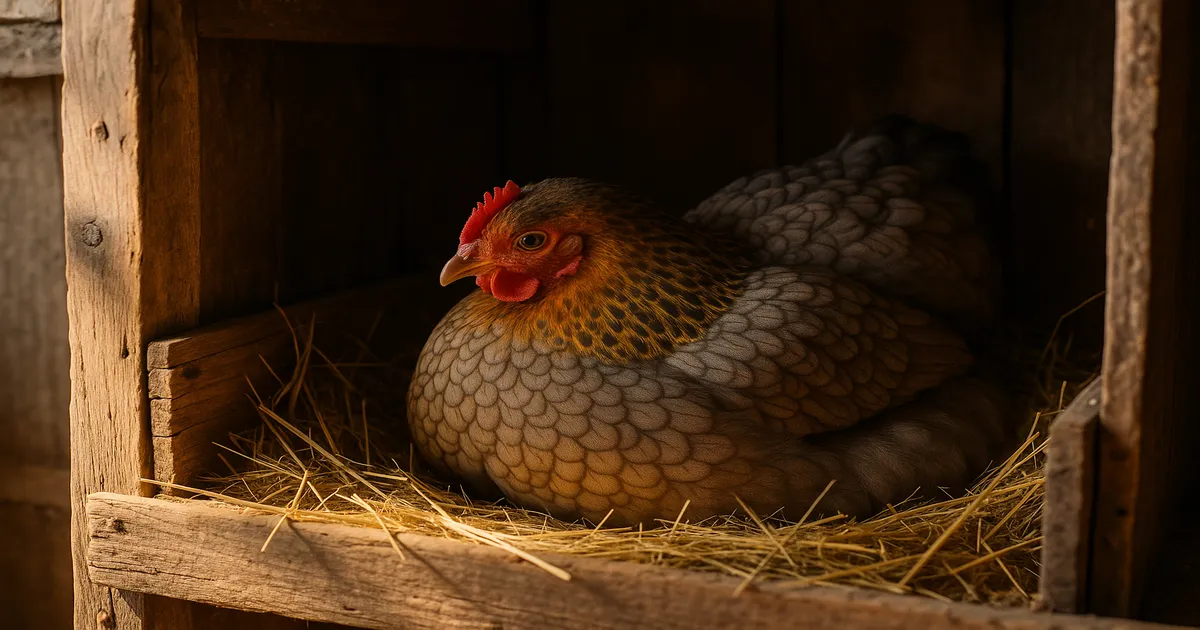
Quick Answer: A Bantam Cochin hen typically goes broody 3–5 times per year, with each full cycle lasting 7–11 weeks (21 days of incubation, 4–6 weeks of mothering, plus a short recovery before laying resumes). This makes them one of the broodiest breeds in existence — a wonderful trait if you want a natural hatcher, but a real trade-off if eggs are your goal.
If you’re asking how often does a Bantam Cochin brood, you’ve probably watched your little hen plant herself firmly in the nest box and refuse to budge. You’re not imagining things — this breed is legendarily broody, and understanding the cycle will help you work with it instead of against it.
How Often Does a Bantam Cochin Brood?
Most Bantam Cochin hens cycle through broodiness 3–5 times per year, though hens in warm climates with long laying seasons can push that number even higher. Each cycle breaks down roughly like this:
- Incubation: ~21 days sitting on eggs
- Chick-rearing: 4–6 weeks of mothering
- Laying recovery: 2–4 weeks before the first new egg appears
That’s 7–11 weeks per cycle. With 3–4 cycles annually, a hen can spend 21–44 weeks out of production in a single year — which surprises most new owners.
What Makes Bantam Cochins So Broody?
It comes down to genetics and hormones. Bantam Cochins descend from Chinese Cochins, a breed historically selected for maternal qualities rather than egg output. Their bodies are primed to produce prolactin — the hormone that triggers and sustains brooding behavior — at the slightest environmental cue. Warm temperatures, long days, and a nest full of eggs are all it takes to flip the switch.
Understanding the Bantam Cochin Broody Cycle
Every broody cycle moves through three distinct phases:
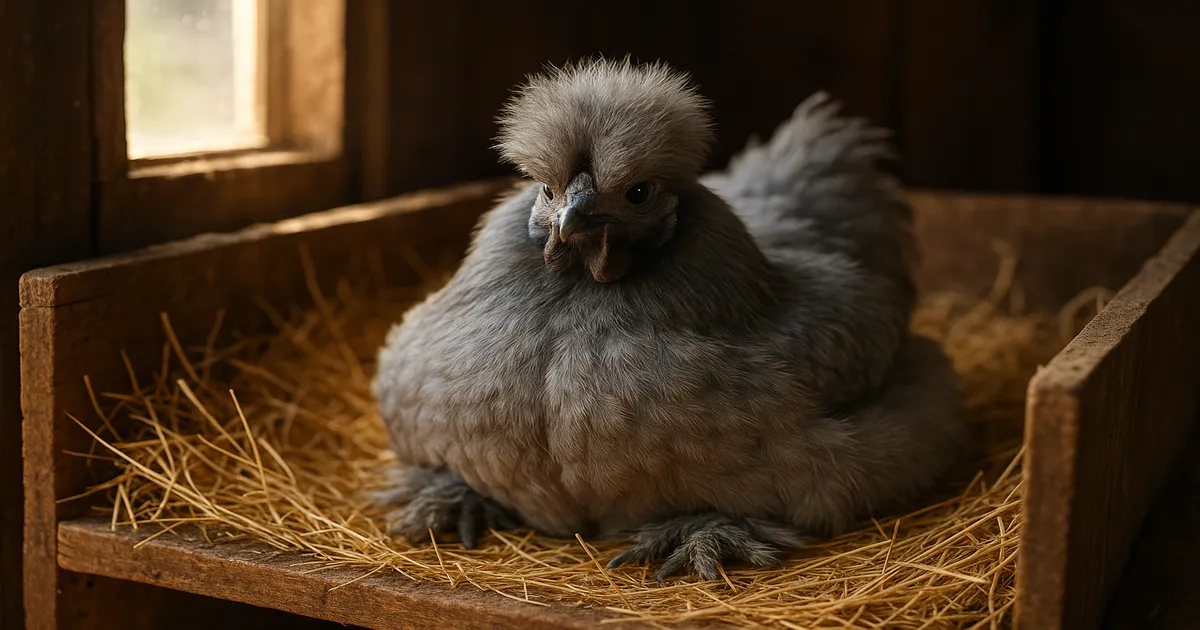
- Incubation — The hen sits tight on the nest, leaving only once or twice a day for 20–30 minutes to eat, drink, and defecate. This lasts 21 days for chicken eggs.
- Chick-rearing — If chicks hatch (or are introduced), she’ll brood and protect them for 4–6 weeks until they’re feathered enough to regulate their own body temperature.
- Laying recovery — After chicks are weaned, her body needs 2–4 weeks to ramp hormones back up and resume egg production.
The 21-day incubation is fixed by biology. Chick-rearing varies by individual hen and season — a summer hatch wraps faster than a cold-weather one. If no eggs are present or they fail to hatch, a determined Bantam Cochin may still sit for 3–5 weeks before giving up on her own, which is why active intervention is often necessary.
Annual Impact on Egg Production
Here’s the math that catches most new owners off guard. A hen going broody just three times per year can easily spend half the year out of production. Add the fall molt (6–10 weeks) and winter slowdown when daylight drops below 14 hours, and some hens barely lay for 3–4 months out of the year. Plan for 80–120 eggs annually from a broody-prone hen, not the 160 a non-broody individual might achieve under ideal conditions. This isn’t a health problem — it’s the breed doing exactly what it was designed to do.
What Triggers Broodiness in Bantam Cochins?
Broodiness is driven by a surge in prolactin, the same hormone that drives maternal behavior in mammals. In Bantam Cochins, the threshold for that surge is unusually low — their genetics essentially have a hair trigger. Once prolactin rises, it suppresses the hormones responsible for ovulation, which is why a broody hen stops laying entirely.
Three environmental factors reliably push a Bantam Cochin over the edge:
- Longer daylight hours — Spring and summer light cues prime the reproductive system
- Warmer temperatures — Broodiness peaks in spring and early summer, rarely in winter
- Egg accumulation — As few as 4–6 eggs left in the nest box can trigger sitting; collecting eggs daily can help reduce (but won’t eliminate) broody episodes
One question that comes up often: does a rooster affect broodiness? No. A rooster is completely unnecessary. Bantam Cochins will happily sit on a clutch of unfertilized eggs for weeks. If your hen is glued to the nest and you have no rooster, that’s perfectly normal — she has no idea the eggs won’t hatch.
Bantam Cochin Egg Production vs. Broodiness
At their laying peak, Bantam Cochins produce 2–3 small, tinted to light-brown eggs per week, translating to roughly 100–160 eggs per year for a non-broody individual. That’s a far cry from a Rhode Island Red (250–300 eggs/year) or an Australorp. Bantam Cochins were simply not bred for production.
Every broody cycle is a production pause. Three cycles per year at 7–11 weeks each can subtract 21–33 weeks of laying from the calendar. Here’s what the seasonal pattern typically looks like:
- April–July: Peak production, highest broody risk
- August–September: Laying continues but broodiness remains common
- October–November: Molt begins; laying stops for 6–10 weeks
- December–February: Reduced or no laying without supplemental lighting (14+ hours needed to maintain production)
If you want to extend winter laying, a timer-controlled coop light can help. The Roosters & Hens LED Coop Light with Timer is a popular option that’s easy to set and forget, though broody-prone hens will still take seasonal breaks regardless.
How to Break a Broody Bantam Cochin
The Wire Cage Method
The most effective and humane approach is the wire-bottomed cage method:
- Remove the hen from the nest box and place her in a separate wire-bottomed cage — a small dog crate with a wire floor works well. The MidWest Homes for Pets iCrate is a commonly used option.
- Elevate the cage so air circulates freely underneath. The airflow cools the hen’s underside and vent area, which lowers her body temperature and interrupts the prolactin cycle.
- Provide food and water but no nesting material, no eggs, and no dark corners.
- Keep her there for 3–7 days, checking daily. Signs she’s broken: she becomes more active, stops the broody growl, and shows interest in food again.
- Return her to the flock once she’s acting normally, and watch for relapse in the first 48 hours.
Most hens respond within 3–5 days. The wire cage method has roughly a 70–80% success rate within one week. Some stubborn hens need the full 7 days, and many will go broody again within a few weeks regardless — this is a reset, not a cure.
What not to do: Don’t use ice water or cold baths — they’re stressful and largely ineffective. Don’t simply keep removing her from the nest without the cage; she’ll be back within minutes.
Using Bantam Cochin Broodiness Productively
How Many Eggs Can She Incubate?
Her small body limits clutch size, but she covers more than you’d expect:
- 4–6 standard-sized chicken eggs
- 8–12 bantam eggs
Larger eggs (duck, turkey) can work too, though you may need to assist with turning if her small frame can’t cover them all evenly.
Surrogate Mothering for Other Breeds
This is where Bantam Cochins truly shine. Backyard keepers regularly use them to hatch turkey, guinea, duck, and even pheasant eggs. Their maternal drive is so strong that many people keep a Bantam Cochin specifically as a broody hen rather than for egg production. Compared to a powered incubator, she regulates humidity naturally, turns eggs on her own schedule, and raises chicks with zero electricity.
Introducing Chicks to a Broody Hen
The nighttime introduction method works remarkably well with this breed. Wait until after dark, slip day-old chicks under the hen while she’s settled, and remove any unhatched eggs. By morning, she’ll typically accept them as her own — her instinct to mother is stronger than her memory of what she sat on. This works with chicks she didn’t hatch herself, and she’ll occasionally try to steal chicks from other hens in the flock.
Housing and Management Tips
Nest Box Setup
A 10×10-inch nest box is sufficient, though standard 12×12 boxes work fine. Position boxes 12–18 inches off the floor with a small lip to keep nesting material in place. Aim for 1 box per 3–4 hens, but if broody hens are monopolizing boxes, add extras to keep production hens from being blocked. Fresh straw or pine shavings changed every 1–2 weeks keeps the nest clean and reduces parasite harborage.
Feeding and Watering a Broody Hen
A broody hen barely eats, leaving the nest only once or twice a day for 20–30 minutes. Place feed and water close to the nest to make those brief sessions count. A low-profile hanging feeder — the Little Giant Hanging Poultry Feeder works well in tight spaces — and a compact waterer right outside the brooding area prevents her from ranging too far. If you’ve separated her in a brooding pen, this setup is especially important.
Preventing Nest Box Monopolization
A broody Bantam Cochin will defend her nest aggressively — unusual for such a docile breed, but hormonally driven. The simplest fix is to separate her into a dedicated brooding area: a small crate or sectioned-off corner of the coop with her own food, water, and nest. This protects her from flock stress and keeps other hens from laying on top of her.
Keep roost bars at 12–18 inches off the ground and add gentle ramps. Bantam Cochins are clumsy fliers, and their heavily feathered feet make high perches a real injury risk.
Health Considerations During and After Brooding
Weight Loss and Condition
Brooding is physically taxing. Pick your hen up every few days and feel her keel bone — if it feels sharp and prominent, she’s losing too much weight. Offering high-protein snacks like dried mealworms during her brief off-nest breaks helps offset the deficit. Dried Black Soldier Fly Larvae are another excellent option with a strong calcium boost.
Parasite Risks
Dense feathering and prolonged nest-sitting create ideal conditions for mites and lice. Northern fowl mites concentrate around the vent area and can cause anemia in a hen that’s already nutritionally stressed. Inspect her before she goes broody, and treat with a permethrin-based poultry dust or spray — Durvet Permethrin Poultry Dust is widely available — if you find any evidence of infestation. Repeat treatment in 7–10 days to break the egg cycle.
Foot and Feather Care After a Broody Cycle
Once the cycle ends, check her feathered feet carefully. Prolonged sitting on hard or damp surfaces raises the risk of bumblefoot — look for black scabs on the footpad and treat grade 1–2 cases with Epsom salt soaks and clean bandaging. Also inspect leg feathers for scaly leg mites, which burrow under scales and are easy to miss under all that fluff. A weekly application of petroleum jelly to the legs for 4–6 weeks clears mild cases effectively.
Hens typically resume laying 2–4 weeks after chicks are weaned or after a broody cycle ends naturally.
Frequently Asked Questions About Bantam Cochin Broodiness
How often does a Bantam Cochin brood compared to other bantam breeds?
Bantam Cochins are among the broodiest of all bantam breeds, going broody 3–5 times per year. Breeds like Silkies are similarly broody, but most other bantams — Dutch, Sebright, Japanese — brood far less frequently. If consistent egg production is your priority, a less broody bantam is a better fit.
How long does a Bantam Cochin sit on eggs before giving up?
She’ll typically sit for the full 21-day incubation period regardless of whether the eggs are fertile. If nothing hatches, she may continue for another 2–4 weeks before abandoning the nest on her own. Active intervention with the wire cage method is usually the faster and kinder option.
Will a Bantam Cochin go broody without a rooster?
Yes, absolutely. Broodiness is triggered by hormones and environmental cues, not by the presence of a rooster or fertilized eggs. She’ll sit contentedly on unfertilized eggs for weeks. Collecting eggs daily can reduce — but rarely eliminates — broody episodes.
How do I stop my Bantam Cochin from being broody?
The most effective method is the wire-bottomed broody breaker cage: place the hen in a well-ventilated wire cage with food and water but no nesting material for 3–7 days. Airflow under the vent area lowers her body temperature and disrupts the prolactin cycle. This works for roughly 70–80% of hens within one week.
Can a Bantam Cochin hen hatch standard-sized chicken eggs?
Yes. A Bantam Cochin can successfully incubate and hatch 4–6 standard-sized eggs. Her small body limits clutch size, but her consistent brooding instinct makes her highly effective. She can also hatch duck, turkey, and guinea eggs, making her one of the most versatile surrogate mothers in the backyard flock.