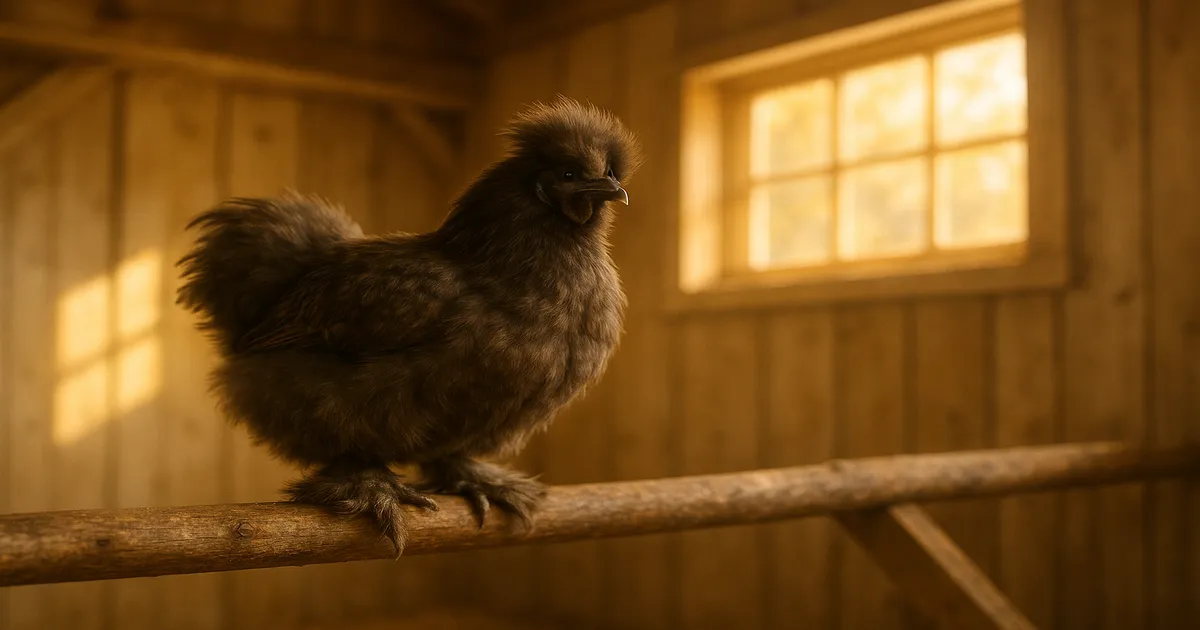
Quick Answer: Yes, you can keep Silkies indoors, and they’re arguably the best breed for it. Their docile temperament, small size (2–4 lbs), quiet vocalizations, and inability to fly make them far more manageable inside than virtually any other chicken breed. Plan ahead for dust, dander, odor control, and feathered-feet hygiene, and indoor Silkie keeping is genuinely achievable.
If you’ve ever asked “can you keep Silkies indoors?” — the answer is a confident yes, and plenty of urban and suburban keepers are already doing it successfully in spare bedrooms, sunrooms, laundry rooms, and enclosed porches. Silkies aren’t just tolerant of indoor life; they’re practically built for it. That said, there’s real planning involved. This guide covers everything you need to set up a safe, clean, and comfortable indoor space for your birds.
What Makes Silkies Suited to Indoor Keeping
Temperament, Size, and Noise
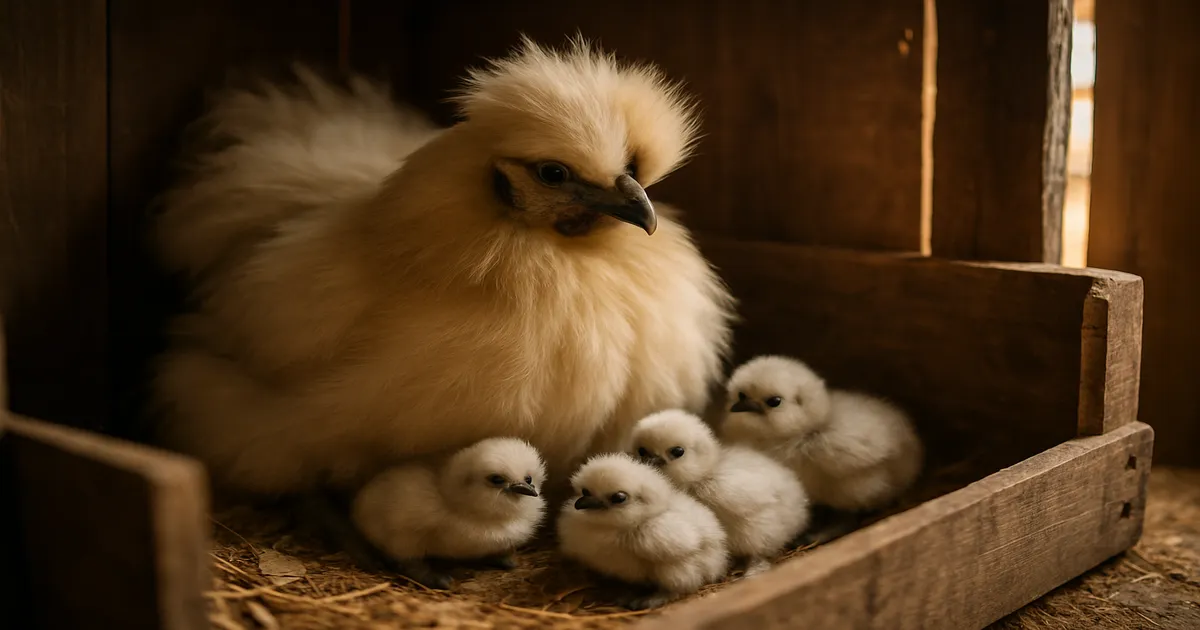
Silkies have earned their reputation as the friendliest breed in the chicken world. They’re calm, non-aggressive, tolerant of handling, and genuinely seem to enjoy human company — qualities that make them a natural fit for life inside the home. They’re an excellent choice for children and first-time keepers, and they rarely cause the chaos a more spirited breed would.
One important caveat: Silkies are highly social and don’t do well alone. Keep a minimum of two to three birds together, or you’ll end up with a stressed, unhappy chicken.
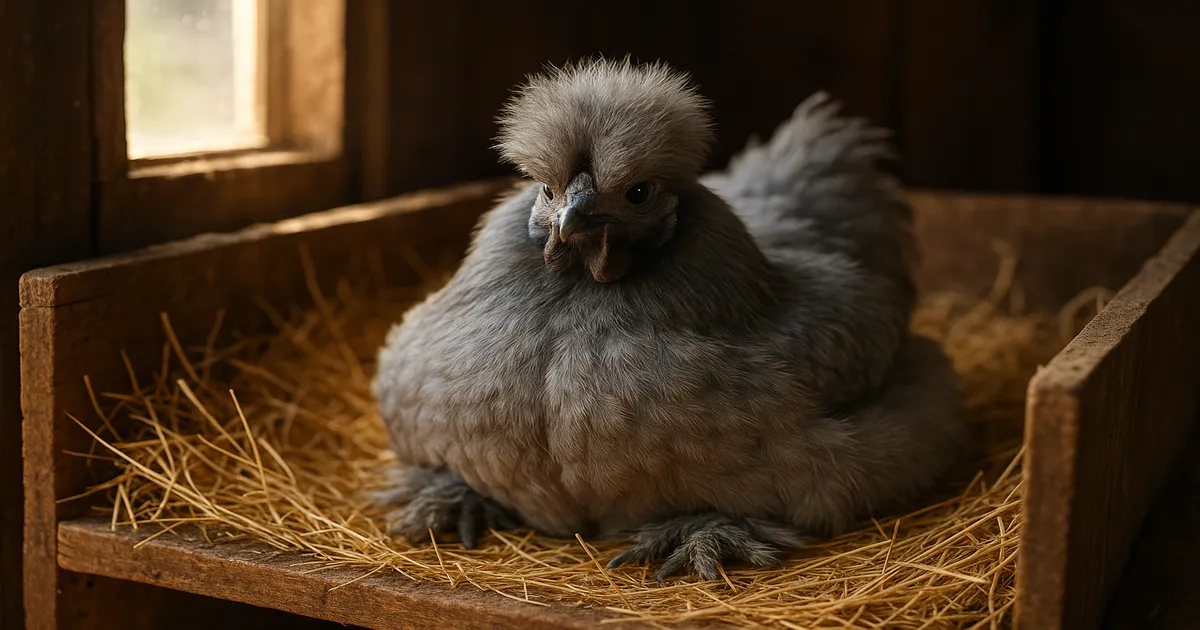
At just 2–3 lbs for hens and 3–4 lbs for roosters, Silkies take up very little space and are easy to handle. Their fur-like plumage — caused by a genetic mutation that removes the barbicels holding feather fibers together — looks stunning but is aerodynamically useless. They simply cannot fly, which makes containment indoors dramatically easier than with most breeds. Noise is another win: Silkie hens produce soft, gentle clucking rather than the loud cackles of production breeds, which matters a great deal in urban settings or close-neighbor situations.
Breed Background
Silkies are one of the oldest chicken breeds on record, with origins in ancient China and a mention in Marco Polo’s 13th-century travel writings. They were officially recognized by the American Poultry Association in 1874. In the US they’re classified as bantam, though standard-sized Silkies exist in the UK and Australia.
Their physical traits — walnut comb, five toes, feathered feet, turquoise-blue earlobes, black skin from fibromelanosis, and a vaulted skull — all have practical implications for indoor keeping. The walnut comb is highly frostbite-resistant, which is a bonus if your indoor space gets cold in winter. The feathered feet and vaulted skull require the most extra care, as covered below.
Indoor Coop Setup: Space, Flooring, and Roosts
How Much Space Do Indoor Silkies Need?
The minimum is 4 sq ft per bird of dedicated floor space, but aim for 6–8 sq ft per bird if you can. For a starter flock of three Silkies, that means planning for at least 12–18 sq ft of usable space. Overcrowding indoors accelerates ammonia buildup, encourages feather pecking, and turns hygiene management into a daily battle.
Flooring and Bedding
Lay down rubber mats or vinyl flooring first — it protects the subfloor and makes full cleanouts far easier. On top of that, use the deep litter method: start with 4–6 inches of pine shavings, add fresh material regularly, and do a complete cleanout every 4–8 weeks depending on flock size. Pine shavings are widely available and work well; a large compressed bale will go a long way.
A few firm rules on bedding:
- Never use cedar shavings — the aromatic oils irritate chickens’ respiratory tracts
- Keep bedding dry at all times — wet litter is the enemy of feathered feet
- Spot-clean heavily soiled areas daily to stay ahead of odor
Roosts and Nesting Boxes
Don’t be surprised if your Silkies ignore roost bars entirely — many prefer sleeping in a fluffy pile on the floor. If you do provide roosts, keep them no higher than 12–18 inches off the ground, with a flat bar 2–4 inches wide (round dowels are uncomfortable for their feet).
For nesting boxes, the ratio is 1 box per 3–4 hens, sized at a minimum of 12×12 inches, placed just 6–12 inches off the ground. Silkies can’t jump high, so low placement is necessary, not optional. Because Silkies are notoriously broody, having an extra box or two prevents laying congestion when one hen decides to camp out for weeks at a time.
Ventilation and Air Quality: The Most Critical Factor for Keeping Silkies Indoors
Why Ammonia Build-Up Is the Biggest Indoor Risk
Ammonia from droppings is the number-one hazard in any indoor chicken setup. Chickens begin experiencing respiratory damage at concentrations above 25 ppm; humans can smell it at around 5 ppm. If you can smell it when you walk in, your birds are already breathing something harmful. A sealed indoor chicken space is never safe — full stop.
The minimum ventilation standard is 1 sq ft of ventilation per 10 sq ft of floor space. In practice, that means exhaust fans on a timer or thermostat, window vents that open without creating cold drafts directly on the birds, and a dedicated air exchange system for fully enclosed rooms. Keep relative humidity below 70% to prevent respiratory disease and mold growth. A hygrometer in the chicken space is a cheap, worthwhile investment.
Managing Dust, Dander, and Odor
Chickens produce fine dust and dander that will migrate into adjacent living spaces if you’re not proactive. Place a HEPA air purifier near the doorway of the chicken room — it makes a noticeable difference. Change filters regularly; chicken dander loads them faster than typical household use.
Feeding Indoor Silkies: Nutrition and Water
Feed by Life Stage
- Chicks (0–8 weeks): Chick starter, 18–20% protein, crumble form
- Pullets (8–18 weeks): Grower feed, 16–18% protein
- Laying hens: Layer feed, 15–17% protein with 3.5–4.5% calcium
Adult Silkies eat roughly ¼ lb per bird per day — a flock of three goes through about 5 lbs a week. A treadle feeder cuts down on waste and discourages rodents, which are a real concern when feed is stored indoors.
Grit, Calcium, and Treats
Indoor Silkies don’t have access to outdoor soil, so you must provide insoluble grit free-choice at all times. Without it, they can’t properly grind food in their gizzard. Use chick-sized grit for birds under 8 weeks and standard poultry grit for adults. For laying hens, offer crushed oyster shell separately in its own dish — hens need around 4 grams of calcium per day for proper eggshell formation, and keeping it separate lets non-laying birds avoid consuming excess calcium.
Keep treats to no more than 10% of the total diet. Good low-mess options for indoor birds include dried mealworms, leafy greens, plain cooked oatmeal, and berries. Avoid entirely: avocado (contains persin, which is toxic to chickens), chocolate, onions, raw beans, and green potato skins.
Water Management
Use nipple waterers indoors — they dramatically reduce spills, which keeps bedding dry and protects feathered feet. Refresh water daily; indoor environments allow bacteria and algae to build up quickly in standing water.
Feathered Feet Hygiene: A Top Priority When You Keep Silkies Indoors
Silkies’ feathered feet look beautiful but become a hygiene challenge indoors. Foot feathers mat with droppings and damp bedding quickly, and once matted, they create a warm, moist environment perfect for bacterial infection and bumblefoot. This is one of the most overlooked aspects of indoor Silkie keeping.
Check feathered feet 2–3 times per week. Part the foot feathers and look for matted clumps of dried droppings. Soak the foot in warm water for a few minutes to soften stubborn debris, then gently work out the matting with your fingers — never pull forcefully. Dry the foot thoroughly before returning the bird to the coop. While you’re at it, inspect the bottom of the foot for any swelling or dark scabs that could indicate early bumblefoot.
Dry bedding is your first line of defense against foot problems. Spot-clean wet patches daily, use nipple waterers to prevent spills, and top up shavings frequently between full cleanouts. A bird walking on wet litter all day will develop foot problems regardless of how carefully you clean them — prevention is far easier than treatment.
Health Risks and Preventive Care
Marek’s Disease
Marek’s disease is a highly contagious herpesvirus that causes tumors, leg paralysis, and death. Silkies are moderately susceptible, but hatchery vaccination at day one is standard practice and highly effective. Ask your hatchery to confirm vaccination before purchasing chicks. Symptoms include the classic “split stance” (one leg forward, one back), unexplained weight loss, and a graying iris. There’s no cure, so prevention is everything. Indoor keeping helps — reduced exposure to wild birds lowers transmission risk significantly.
Coccidiosis
Coccidiosis is caused by Eimeria protozoa and is a leading killer of young chicks. Watch for bloody or watery droppings, lethargy, hunched posture, and a pale comb. Indoor birds on clean bedding have lower risk than outdoor flocks, but coccidia oocysts can still be tracked in on shoes — so don’t assume you’re fully protected just because your birds never go outside.
Prevention options include medicated chick starter containing amprolium for the first 8 weeks. If an outbreak occurs, treat with Corid (amprolium) in drinking water: 1.5 tsp/gallon for prevention, 2 tsp/gallon for treatment, for 5–7 days.
Mites and Lice
Silkies’ dense plumage is excellent at hiding mite and lice infestations until they’ve become serious. Inspect weekly by parting feathers near the vent, under the wings, and around the neck — look for tiny moving dots or clusters of eggs at feather shafts. A pale comb and restlessness at night are red flags. Treat with permethrin-based poultry dust or spray applied to the bird and all coop surfaces, repeated in 7–10 days to break the egg cycle.
For prevention, provide an indoor dust bath: a shallow container filled with a 90:10 mix of fine sand and food-grade diatomaceous earth. Silkies will use it enthusiastically, and it’s one of the best low-effort ways to keep external parasites in check.
Egg Production: What to Expect
Silkies are not production layers. Expect 2–4 eggs per week per hen, or roughly 100–120 eggs per year under ideal conditions. In practice — accounting for broodiness, molting, and seasonal slowdowns — many keepers average closer to 80–100 eggs per year. Silkie eggs are small (around 1–1.5 oz each, compared to 2 oz for a standard large egg) and cream to light brown in color. You’ll need about 1.5–2 Silkie eggs to equal one standard egg in recipes.
Silkies are also slow to mature. Hens typically begin laying at 7–9 months, and show-line birds can take up to 10–12 months. Don’t panic if your pullet seems late.
Broodiness is the defining Silkie trait. A hen may go broody 3–5 times per year, each cycle lasting 3–8 weeks, during which egg production stops entirely. To break a broody hen, move her to a wire-bottomed “broody breaker” cage with food and water but no nesting material for 3–5 days. The airflow under the wire cools her undercarriage, triggering the hormonal shift out of broodiness. It works reliably when done consistently.
Here’s where indoor keeping has a genuine edge: egg production is driven by light, and hens need roughly 14–16 hours per day to lay consistently. Use a 25–40 watt bulb (or LED equivalent) on a timer to maintain stable light levels year-round. Add supplemental light in the morning hours rather than the evening — abrupt darkness after artificial light can disorient birds and cause injury. With consistent lighting, your indoor Silkies will outperform outdoor flocks through the winter months.
Frequently Asked Questions About Keeping Silkies Indoors
Can Silkie chickens live inside the house full time?
Yes. Silkies are the most practical breed for full-time indoor keeping thanks to their small size, calm temperament, and inability to fly. The key requirements are adequate space (at least 4–6 sq ft per bird), proper ventilation, and a consistent cleaning routine.
Do indoor Silkies smell bad, and how do you control odor?
They can smell if their space isn’t managed properly, but with the right setup, odor is very controllable. The main culprit is ammonia from droppings. Stay on top of it with daily spot-cleaning, the deep litter method, and strong ventilation. A HEPA air purifier near the chicken room door helps keep odor out of the rest of your home.
How much space do you need to keep Silkies indoors?
The minimum is 4 sq ft per bird, but 6–8 sq ft per bird is a much more comfortable target for full-time indoor keeping. For a starter flock of three Silkies, plan on dedicating at least 12–18 sq ft of space.
Are Silkies good house pets compared to other chicken breeds?
Silkies are widely considered the best chicken breed for keeping as house pets. They’re calmer, quieter, smaller, and more tolerant of handling than virtually any other breed. Their inability to fly and their gentle nature make them far easier to manage indoors than higher-energy breeds.
Can you keep a single Silkie indoors, or do they need a companion?
A single Silkie indoors is not a good idea. They’re highly social birds and will become stressed and unhappy without companionship. Keep a minimum of two, and ideally three, birds together. If you genuinely can only manage one bird and are home most of the day, intensive human interaction can partially compensate — but two or more Silkies will always be healthier and more content than one alone.