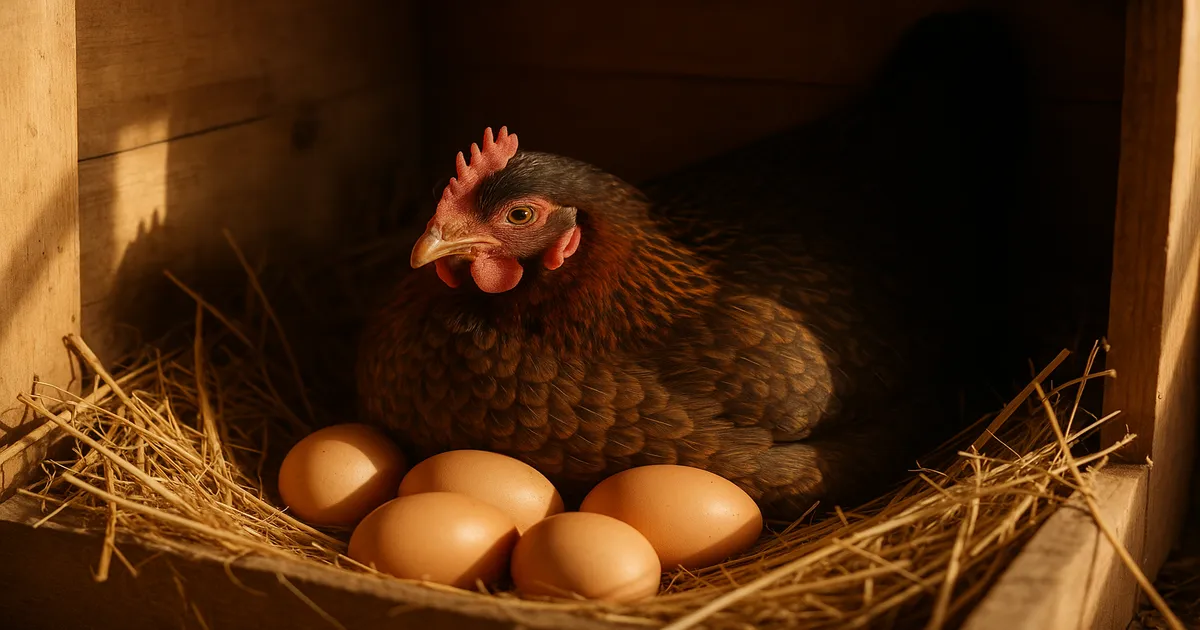
Quick Answer: If something seems off with your chickens, the most likely culprits are molting, a drop in daylight hours, illness or parasites, nutritional gaps, or a housing problem. The good news? Most of these issues are diagnosable within a few minutes of observation and fixable with straightforward changes. Read on to find the section that matches what you’re seeing.
So you’ve walked out to the coop and something just isn’t right — fewer eggs, missing feathers, a hen sitting hunched in the corner, or birds that seem restless and stressed. You’re asking yourself: what is happening to my chickens? You’re not alone, and you’re not overreacting. Changes in behavior or production are almost always your flock’s way of telling you something needs attention.
This guide is organized so you can jump straight to the symptom you’re seeing. Egg problems? Head to the next section. Feather loss? Section three. Visible illness? Section four. Work through the most relevant parts first, then read broadly to build your diagnostic instincts.
What Is Happening to My Chickens? The Most Common Causes
Top 5 Causes at a Glance
- Molting — Annual feather loss and laying pause, lasting 8–16 weeks
- Illness or parasites — Mites, lice, coccidiosis, respiratory infections
- Nutritional deficiency — Wrong feed for life stage, low calcium, dehydration
- Stress — Predator pressure, flock changes, temperature extremes
- Housing problems — Overcrowding, poor ventilation, inadequate roost space
Most of these are fixable once you know what you’re looking at.
Egg Production Problems: Why Your Hens Have Stopped Laying
Normal Egg Production Benchmarks by Breed
Before you panic about a drop in production, it helps to know what “normal” looks like for your breed. A Leghorn pumping out 280–320 eggs per year operates at a completely different level than a Silkie managing 100–120. If you have a mixed flock, your per-bird average will land somewhere in between.
| Breed | Eggs/Week | Eggs/Year |
|---|---|---|
| Leghorn | 5–6 | 280–320 |
| Rhode Island Red | 5–6 | 250–300 |
| Australorp | 4–5 | 250–300 |
| Plymouth Rock | 4–5 | 200–280 |
| Wyandotte | 3–4 | 180–220 |
| Buff Orpington | 3–4 | 175–200 |
| Easter Egger | 3–4 | 150–200 |
| Silkie | 2–3 | 100–120 |
Molting: The Most Overlooked Laying Pause
Molting is the single most common reason hens stop laying, and it catches new keepers off guard every fall. Starting around 12–18 months of age, hens drop their old feathers and grow new ones — a process triggered by shortening daylight hours. During this time, egg production stops almost entirely and can stay stopped for 8–16 weeks.
The fix is simple: switch to a higher-protein feed (20–22%) to support feather regrowth, and be patient. Production will resume once the new feathers are in.
Daylight Hours and Seasonal Slowdowns
Hens need 14–16 hours of light per day to lay consistently. Once days shorten below 12 hours — typically in October and November — many hens simply shut down production. This is completely normal biology, not illness.
If you want year-round eggs, add a timer-controlled coop light to bring total daily light up to 14–16 hours. Set it to come on before dawn rather than after dusk — this mimics a natural sunrise and is less disruptive to the flock’s sleep cycle.
Broodiness: When a Hen Refuses to Leave the Nest
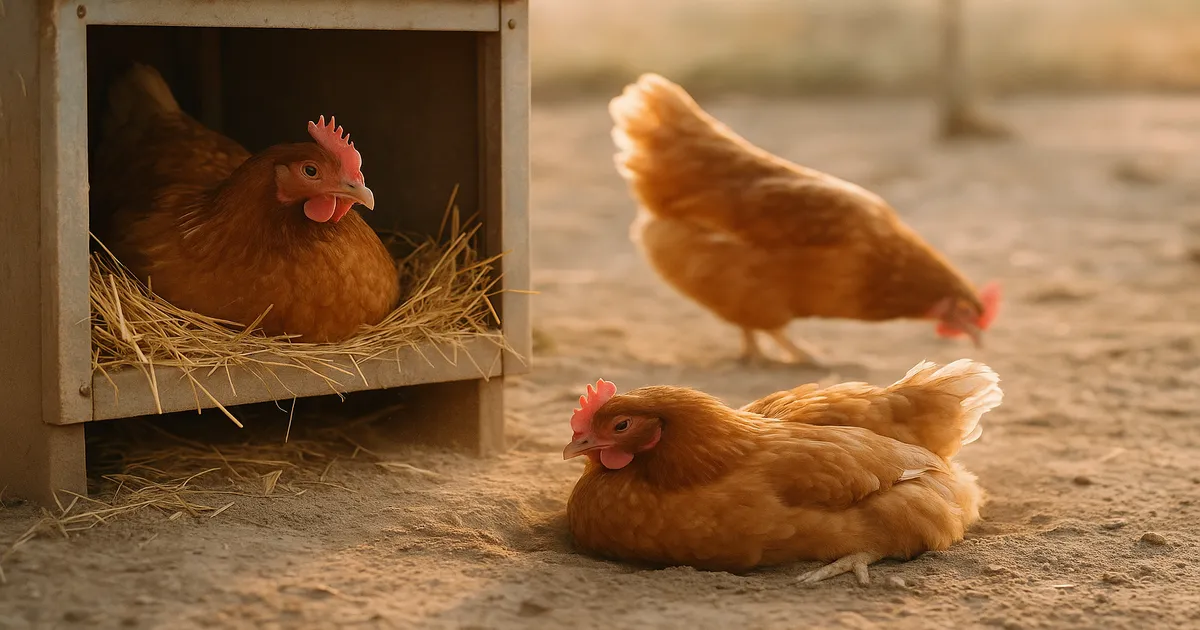
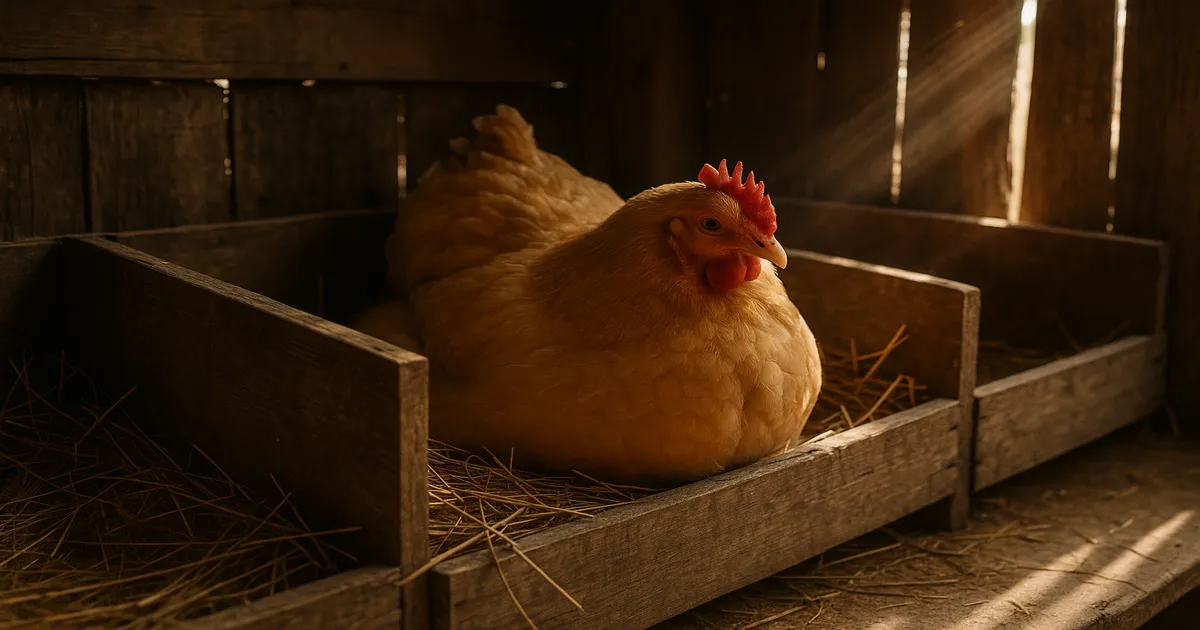
A broody hen stops laying entirely, sits tight on the nest all day, and growls at anyone who gets close. Broodiness can last 3–8 weeks if you let it run its course. Breeds like Silkies, Buff Orpingtons, and Cochins go broody repeatedly — it’s genetics, not a problem.
To break broodiness, move the hen to a wire-bottomed cage with food and water but no nesting material for a few days. The airflow cools her underside and resets her hormones.
Age-Related Decline and Stress
Production peaks in years one and two, then declines roughly 10–20% per year after that. A hen who laid 280 eggs at age two might manage 220 at age three — she’s not broken, she’s aging. Beyond age, stress is a powerful production killer. A predator visit at night can drop egg numbers within 24–48 hours even if no birds were harmed. Mites, worms, and respiratory infections can reduce laying by 20–50%, and if dietary protein drops below 16% — often because scratch grains are being fed too generously — egg production suffers alongside feather and body condition.
Feather Loss and Molting: Normal vs. a Problem
Understanding the Annual Molt
Normal molting starts at the head and neck and works its way down the body. It’s patchy, sometimes dramatic, and always temporary. If feather loss follows that top-to-bottom pattern in fall, you’re looking at a molt, not a crisis.
Feather Pecking and Cannibalism
Feather pecking becomes a serious issue when birds are overcrowded. Below 4 sq ft per bird inside the coop, stress rises fast and birds start targeting each other — sometimes drawing blood, which can escalate quickly into cannibalism. Bare backs, missing tail feathers, or bloodied vents almost always point to overcrowding or boredom.
Solutions:
- Increase space or reduce flock size
- Add enrichment (hanging cabbage heads, perches at varied heights)
- Use peepers (blinders) on aggressive birds temporarily
- Check protein levels — low protein actively drives feather-eating behavior
External Parasites Causing Feather Loss
Mites and lice cause feather damage that looks different from molting. You’ll see broken, ragged feathers, bare patches near the vent, and birds that are restless and scratching constantly. Check for black or gray debris around the vent (Northern Fowl Mites) or tiny nits clustered at feather bases (lice).
Treat with permethrin dust or spray and repeat in 7–10 days to catch the next hatch cycle. Treat the coop at the same time — strip out all bedding and spray every surface, paying close attention to cracks in roost bars where Red Mites hide during the day.
Nutritional Deficiencies That Damage Feathers
Protein is the building block of feathers. If your flock is eating below 16% protein — or if scratch grains are crowding out balanced feed — feather quality deteriorates and molt drags on longer than it should. During molt, bump protein to 20–22% with a flock raiser or dedicated molt feed.
What Is Happening to My Chickens? Recognizing Common Illnesses
Marek’s Disease
Marek’s is a herpesvirus that spreads through feather dander and survives in the environment for years. The classic sign is a bird sitting with one leg stretched forward and one back — sometimes called the “Marek’s split” — usually appearing in birds between 6 and 30 weeks old. Other signs include wing drooping, weight loss, and in some cases a grayish iris.
There is no cure. Vaccinate day-old chicks before they’re exposed to any other birds, and quarantine new additions for at least 30 days before introducing them to your flock.
Coccidiosis: Bloody Droppings in Chicks
If you see bloody or watery diarrhea in chicks aged 3–6 weeks, think coccidiosis first. Affected chicks look hunched, stop eating, and deteriorate quickly. Treat immediately with Amprolium (Corid) at 1.5 teaspoons of the liquid (or ½ teaspoon of the soluble powder) per gallon of water as the sole water source for 5–7 days. Keep the brooder dry and avoid overcrowding — Eimeria protozoa thrive in warm, wet conditions.
Respiratory Infections
Rattling breath, bubbles around the eyes, nasal discharge, and swollen sinuses point to a respiratory infection — often Mycoplasma Gallisepticum (MG). These infections spread fast and rarely fully resolve; birds become chronic carriers. Isolate affected birds immediately and consult a vet about antibiotic options.
Bumblefoot
Bumblefoot is a bacterial infection (Staphylococcus) that enters through a cut or scrape on the foot pad. You’ll see a swollen foot with a hard, dark scab — the bird will limp and avoid putting weight on it.
- Mild cases: Soak in warm Epsom salt solution (1 cup per gallon) for 15–20 minutes daily; apply Vetericyn or plain Neosporin (without lidocaine or pain-relief formula, which is toxic to birds); wrap and monitor.
- Severe cases: The scab and keratin plug need removal. Severe cases involving tendons or bone need a vet.
When to Call a Vet
Call a poultry vet when you see:
- Neurological symptoms (seizures, star-gazing, paralysis)
- Sudden death of multiple birds
- Swollen face or wattles that don’t respond to basic treatment
- Bloody droppings that don’t improve with Corid within 48 hours
- Any suspected reportable disease (Newcastle, Avian Influenza)
Feeding and Nutrition Mistakes That Cause Visible Problems
Choosing the Right Feed for Each Life Stage
Feeding the wrong ration is one of the most common — and most fixable — mistakes keepers make.
| Life Stage | Feed Type | Protein % |
|---|---|---|
| 0–8 weeks | Chick Starter | 18–20% |
| 8–18 weeks | Grower/Developer | 14–16% |
| 18+ weeks (laying) | Layer Feed | 16–18% |
| Molting | High-Protein / Flock Raiser | 20–22% |
Important: Never feed layer feed to chicks. The elevated calcium (3.5–4%) appropriate for laying hens will damage a young bird’s kidneys.
Calcium Deficiency and Supplementation
Thin-shelled eggs, soft eggs, or shell-less eggs are the first sign of a calcium problem. In more severe cases you’ll see lethargy and leg weakness. Offer oyster shell free-choice in a separate dish — hens self-regulate and take what they need. Don’t mix it into the feed, since roosters and young birds don’t need the extra calcium.
Scratch Grains, Treats, and Toxic Foods
Scratch grains are essentially junk food — high in carbohydrates, low in protein and nutrients. Limit them to 1–2 tablespoons per bird per day, and keep all treats (scratch included) under 10% of the total daily diet.
Avoid these entirely: avocado (the compound persin is lethal to chickens), chocolate, onions, raw dried beans, and anything high in salt.
Grit vs. Oyster Shell
These two supplements are not interchangeable. Insoluble granite grit goes into the gizzard and physically grinds food — essential for any bird eating anything other than commercial pellets. Oyster shell provides soluble calcium for eggshell production. Offer both free-choice in separate containers.
Water Intake
Each hen drinks 1–2 cups (240–480 ml) of water per day under normal conditions, and that doubles in heat above 90°F (32°C). A hen that stops drinking will stop laying within a day or two. Scrub waterers (RentACoop 5-Gallon Bucket Waterer) at least twice a week — algae and bacteria build up fast in warm weather and will put birds off drinking.
Coop and Housing Issues That Stress Your Flock
Space, Roosts, and Ventilation
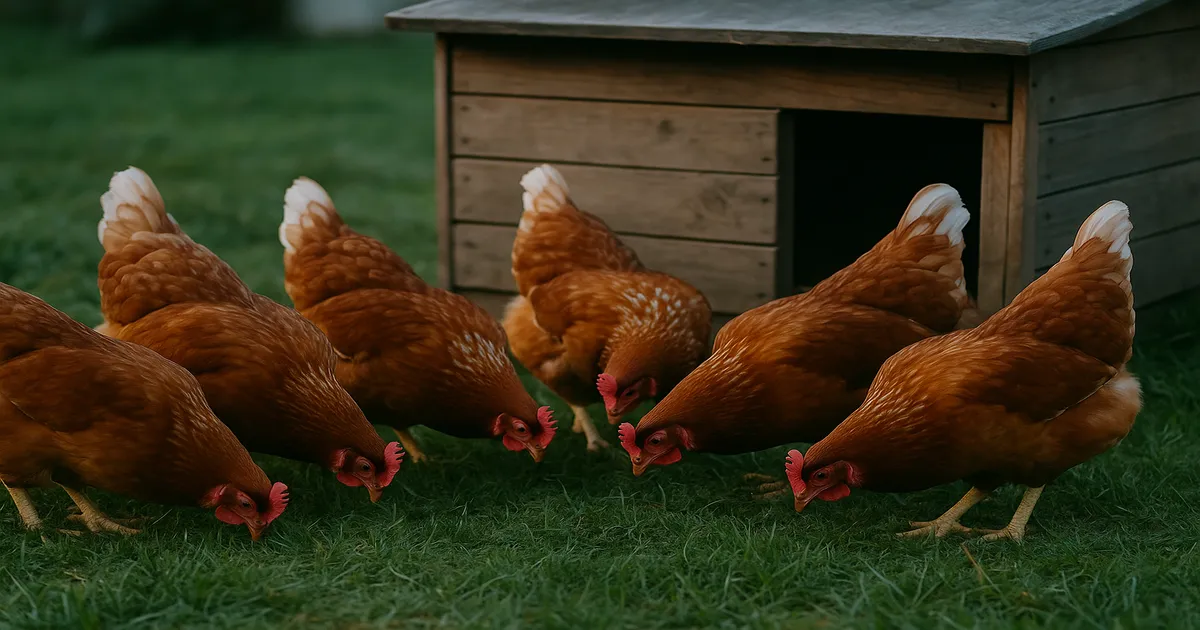
The minimum is 4 sq ft per bird inside the coop and 10 sq ft per bird in the run. Fall below that and feather pecking can start within days — it’s a math problem, not a behavior problem.
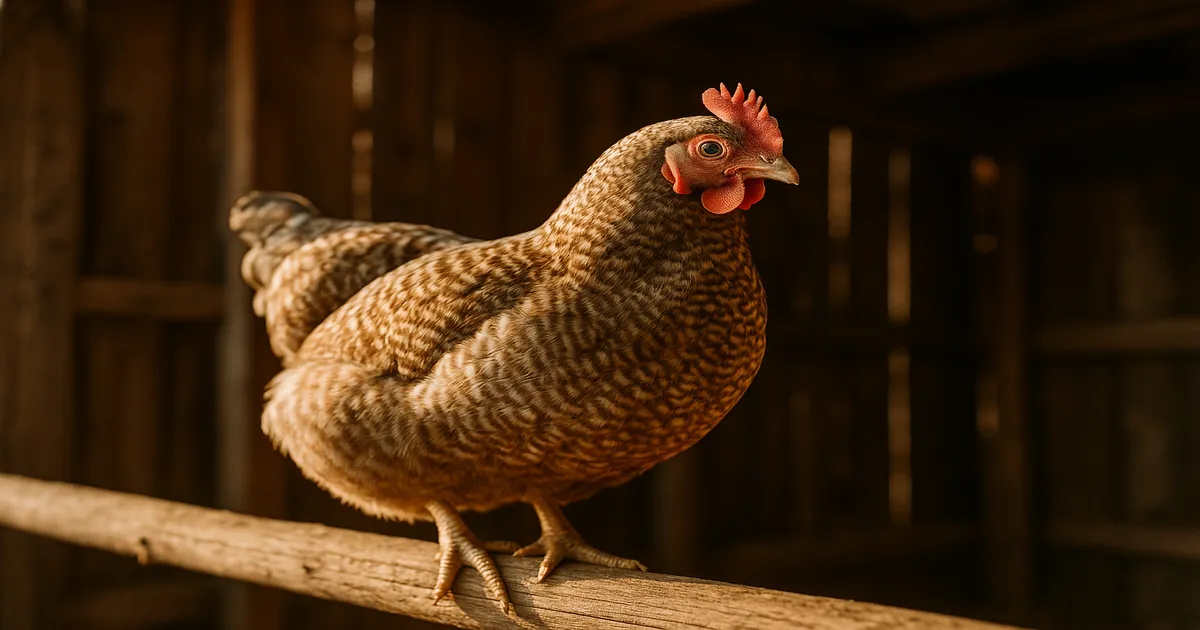
For roost bars, use 2×4 lumber laid flat (3.5-inch width). This lets birds settle their body weight over their feet and cover their toes with belly feathers in cold weather, which prevents frostbite. Set bars 18–36 inches off the floor, at least 12 inches from the wall, and allow 8–10 inches of linear space per standard bird.
If you can smell ammonia when you walk into the coop, your ventilation is already causing harm. Position vents near the roofline so moisture and ammonia escape above the birds’ heads without creating drafts at roost level.
Temperature Extremes
Above 90°F (32°C), watch for open-mouth breathing, wings held away from the body, and reduced activity. Provide shade, cold water, and good airflow. Temperatures above 104°F (40°C) are life-threatening.
In winter, the counterintuitive rule is: never seal the coop. Moisture from bird respiration causes frostbite far faster than cold air does. Keep vents open, use the deep litter method (6–12 inches of bedding) for floor warmth, and keep water thawed with a heated base .
Predator Pressure
Scattered feathers, missing birds, claw marks on wood, or a flock that refuses to go inside at dusk all signal predator activity. Even if nothing is taken, a nightly visit from a raccoon or fox creates enough stress to drop egg production significantly. Check hardware cloth, locks, and any gaps — raccoons can open simple latches and will work at a weak spot night after night. An automatic coop door removes the risk of forgetting to close up at dusk.
Breed-Specific Traits That Explain Confusing Behavior
Temperament and Activity Level
A Leghorn that flies over your fence and refuses to be caught isn’t misbehaving — that’s exactly what Leghorns do. They’re flighty, independent, and active by genetics. Buff Orpingtons and Silkies are famously calm and easy to handle. Knowing your breed’s baseline saves a lot of unnecessary worry.
Broodiness by Breed
Silkies, Buff Orpingtons, and Cochins go broody repeatedly and will sit on anything — fertile or not. Leghorns, Australorps, and Sex-Link hybrids almost never go broody. If your Silkie has been glued to the nest for a week, that’s breed-typical behavior, not illness.
Cold-Hardy vs. Heat-Tolerant Breeds
Wyandottes have a rose comb that sits close to the head, making them very resistant to frostbite — a real advantage in cold climates. Leghorns and other Mediterranean breeds have large single combs that are prone to frostbite and handle cold poorly. Match your breed to your climate and you’ll have far fewer problems year-round.
Production Breeds vs. Dual-Purpose Breeds
Production breeds like Leghorns are optimized for eggs and decline in output relatively quickly after year two. Dual-purpose breeds like Plymouth Rocks and Rhode Island Reds hold their production more steadily across years two through four. The Australorp holds the world laying record — 364 eggs in 365 days, set in official Australian trials in 1922–1923.
Seasonal Changes: What to Expect Throughout the Year
Fall is the season that confuses new keepers most. Feathers everywhere, egg production crashing, hens looking ragged — it’s all normal. Increase protein to 20–22%, ease up on scratch grains, and let the molt run its course.
Winter means adding supplemental lighting to reach 14–16 hours of daily light, building bedding up to 6–12 inches using the deep litter method, and keeping water thawed. Remember: moisture is the enemy, not cold.
Spring brings renewed laying and rising coccidia pressure as warm, wet conditions favor Eimeria growth. If you’re adding new birds, quarantine them for 30 days minimum before any contact with your existing flock.
Frequently Asked Questions
Why did my chickens suddenly stop laying? The most common causes are molting, fewer daylight hours, stress from a predator visit, or a nutritional problem. Check the season first — if it’s fall and your hens are losing feathers, it’s almost certainly a molt.
How do I know if my chicken is sick or just molting? A molting hen looks rough but acts normally — she eats, drinks, moves around, and holds her own in the flock. A sick hen is usually lethargic, hunched, or separated from the group. Pale comb, labored breathing, or diarrhea all point to illness rather than molt.
What does a healthy chicken dropping look like? Normal droppings are firm and brown with a white urate cap. Cecal droppings — which are darker, mustard-colored, and smellier — are also normal and happen a few times a day. Watery, bloody, or bright green droppings are worth investigating.
How do I get rid of mites in my chicken coop? Strip out all bedding, then spray every surface — including roost bar cracks — with a permethrin-based poultry spray. Treat the birds at the same time with permethrin dust. Repeat both treatments in 7–10 days to break the hatch cycle.
Can chickens eat kitchen scraps? Yes, with limits. Vegetable peels, cooked grains, and plain cooked meat are fine in small amounts. Avoid avocado, chocolate, onions, raw dried beans, and anything salty. Keep all treats — including scraps — under 10% of the daily diet so they don’t displace balanced feed.