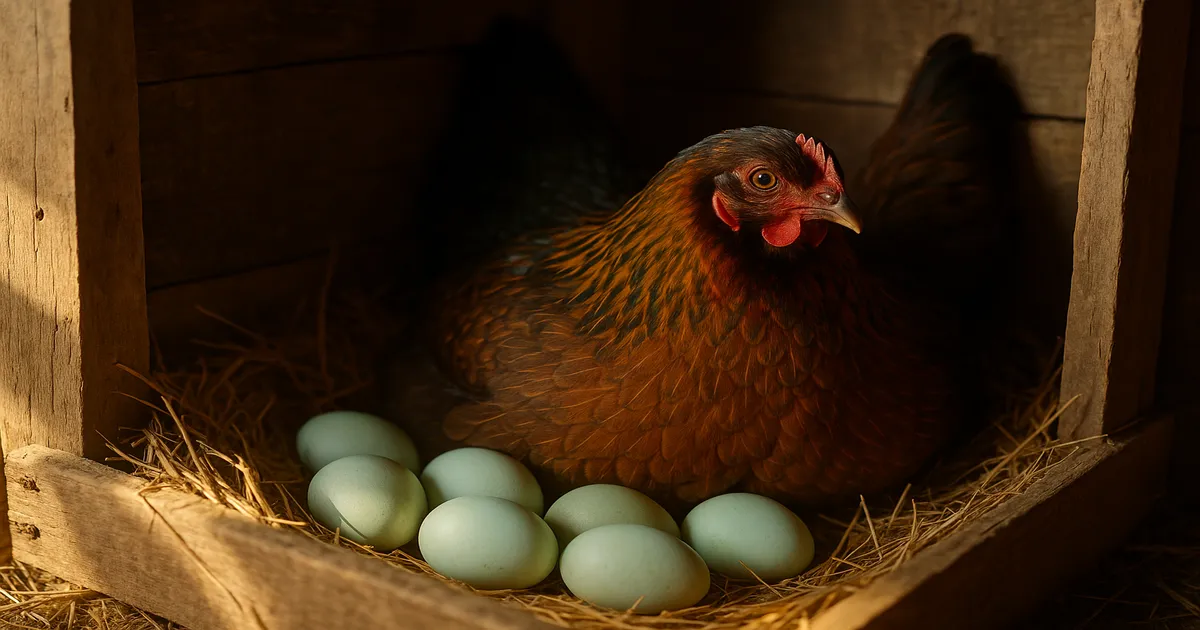
Quick Answer: Easter Eggers are friendly, blue-egg-gene hybrid chickens available through online hatcheries, farm supply stores like Tractor Supply Co., local breeders, or by hatching eggs yourself. They’re not a recognized breed, so appearance varies wildly — but the colorful eggs and easy-going temperament make them one of the most popular backyard chickens around. Read on to find the best source for yours.
If you’ve ever asked how do you get an Easter Egger chicken, you have more options than you might think. The right choice depends on your timeline, budget, and how hands-on you want to be. Let’s break it all down.
What Exactly Is an Easter Egger Chicken?
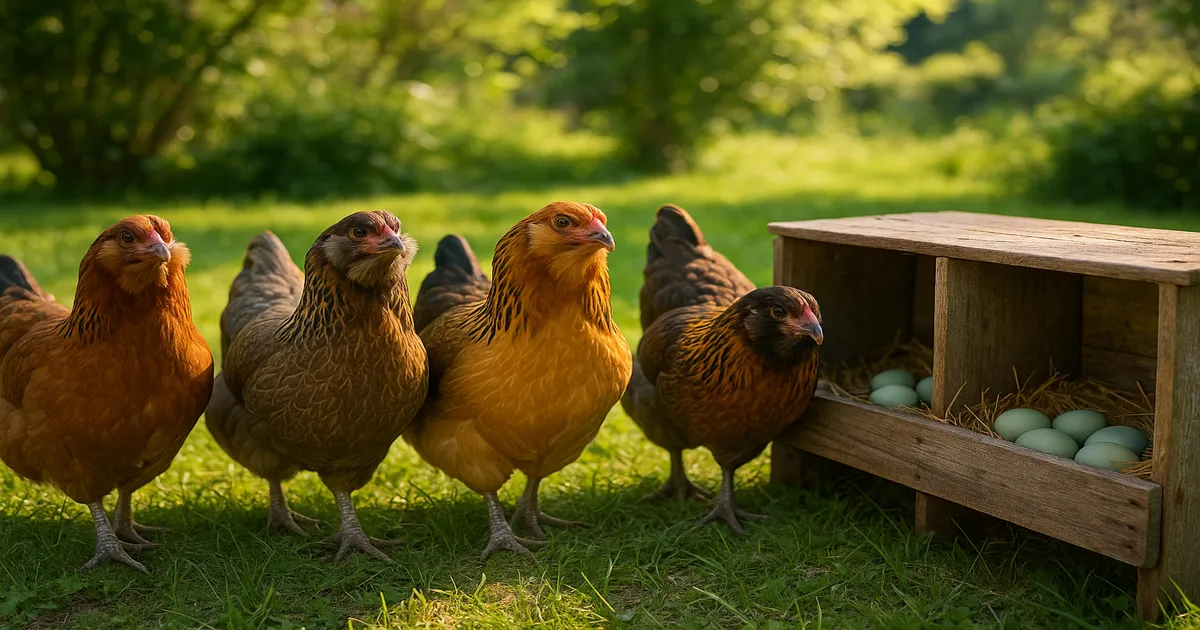
Easter Eggers aren’t a true breed. They’re hybrid chickens carrying at least one copy of the Oocyan (blue-egg) gene, inherited from Araucana or Ameraucana ancestry and crossed with various production breeds over generations. The American Poultry Association doesn’t recognize them, which is why no two Easter Eggers look exactly alike — plumage, leg color, and comb type can all vary from bird to bird.
What they share: a pea comb, a friendly disposition, and the ability to lay eggs in shades of blue, green, or occasionally pink. Each hen lays one consistent color for her entire life.
The four main ways to get one:
- Online hatcheries — the most reliable source for sexed pullets shipped as day-old chicks
- Farm supply stores — seasonal availability, usually straight-run, often mislabeled
- Local breeders and swaps — great for started pullets or laying hens, no shipping stress
- Hatching eggs — the most hands-on route, lower hatch rates but rewarding
How Do You Get an Easter Egger Chicken From a Hatchery?
Several reputable hatcheries carry Easter Eggers year-round, including Meyer Hatchery, Murray McMurray Hatchery, Cackle Hatchery, and Hoover’s Hatchery. All four have solid reputations for flock health, accurate sexing, and reliable shipping.
Minimum orders typically range from 3 to 25 chicks depending on the hatchery — Meyer is known for low minimums (as few as 3), while others require 15–25 to keep chicks warm in transit. Day-old chicks ship via USPS Priority Mail and arrive within 1–2 days of hatching. Expect to pay $4–$8 per sexed pullet or $2–$4 per straight-run chick, plus shipping.
Order sexed pullets unless you specifically want roosters or are comfortable rehoming cockerels. Straight-run chicks are statistically about 50% male, and most municipalities don’t allow roosters. The extra cost of sexed birds is almost always worth it.
Watch Out for Mislabeling
This is one of the most common points of confusion in the chicken world. Many hatcheries — and virtually all farm supply stores — sell Easter Eggers labeled as “Ameraucanas” or “Araucanas.” True Ameraucanas have eight APA-recognized color varieties and breed to a strict standard. Easter Eggers do not. If the price is low and the birds come in a rainbow of colors, it’s almost certainly an Easter Egger. That’s not a bad thing, just something to know before you buy.
Getting Easter Eggers at Farm Supply Stores
Tractor Supply Co. and Rural King both run seasonal “Chick Days” events, typically February through June. Stock varies by location and sells out fast, especially early in the season. Call ahead to ask what breeds are coming in — or show up on delivery day for the best selection.
When buying in-store, look for chicks that are active, bright-eyed, and curious. Avoid any bird that’s hunched, lethargic, pasty around the vent, or breathing with effort. Check that the bin isn’t overcrowded and that the heat lamp is keeping chicks warm without causing them to pile on top of each other.
Store-bought chicks are almost always sold straight-run, meaning roughly half will be male. Before you buy, have a plan — whether that’s rehoming, processing, or keeping one rooster if local ordinances allow it. Don’t let the cuteness factor override the math.
Finding Easter Eggers Through Local Breeders and Swaps
Facebook Marketplace and Craigslist are surprisingly productive for finding local Easter Eggers. Search “Easter Egger pullets,” “blue egg chickens,” or “laying hens” in your area. State poultry associations often maintain breeder directories, and local swap meets — sometimes called chicken swaps or poultry auctions — happen seasonally in most rural areas.
Buying a bird that’s already 12–20 weeks old, or actively laying, skips the brooder stage entirely. You know what you’re getting in terms of sex, and with laying hens you can often see the egg color before you commit.
Before you hand over cash, ask:
- Has this bird been vaccinated for Marek’s disease?
- What color eggs does the hen (or her mother) lay?
- Has the flock had any recent illness or losses?
- Are the birds free of mites and lice?
- What feed are they currently on?
A good seller will answer these without hesitation. Vague or evasive answers are a red flag.
Hatching Easter Egger Eggs at Home
eBay and Etsy both have active listings for fertilized Easter Egger hatching eggs, and local breeders are often an even better source since eggs won’t go through postal handling. Shipped eggs have lower hatch rates — expect 50–70% on a good batch versus 80–90%+ from local eggs.
Easter Egger eggs incubate on the same schedule as any standard chicken egg: 21 days at 99.5°F (37.5°C) with 50–55% relative humidity. Turn eggs at least three times daily — an automatic egg turner makes this easy and reduces the risk of forgetting (Brinsea Ovation 28 EX). Candle at day 7 and day 14 to identify infertile or quitter eggs and remove them promptly.
At day 18, stop turning and raise humidity to 65–70% — this is called lockdown. Don’t open the incubator during this final stretch. Chicks will begin pipping around day 21 and may take 12–24 hours to fully hatch after the first crack appears. Resist the urge to help; premature assistance usually does more harm than good.
Easter Egger Egg Production: What to Expect
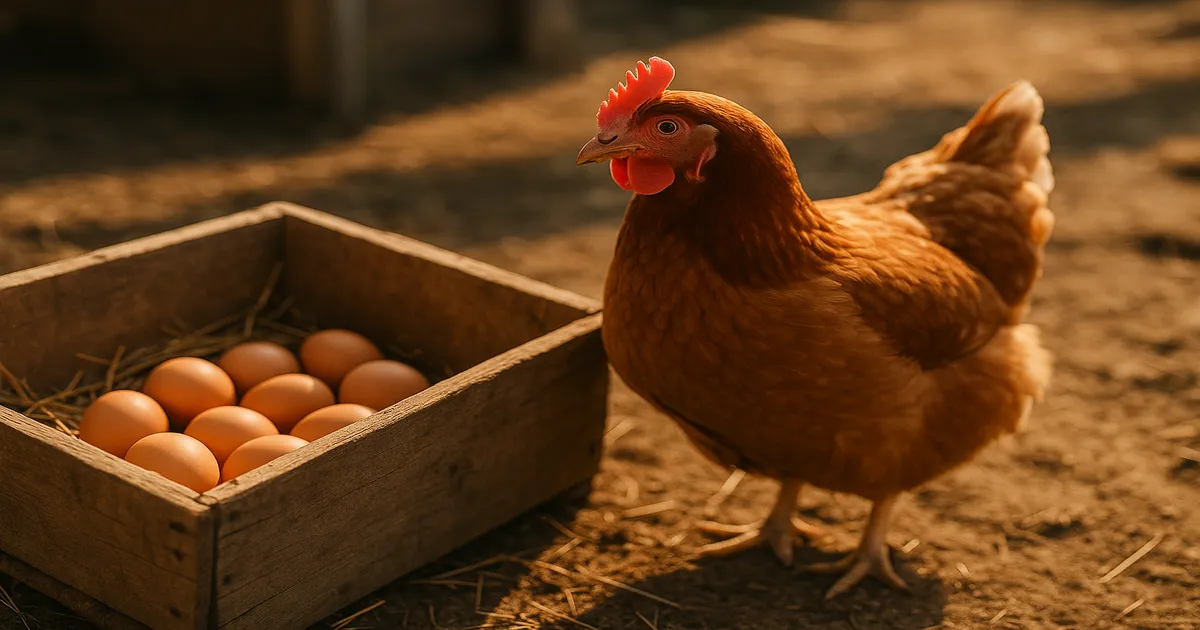
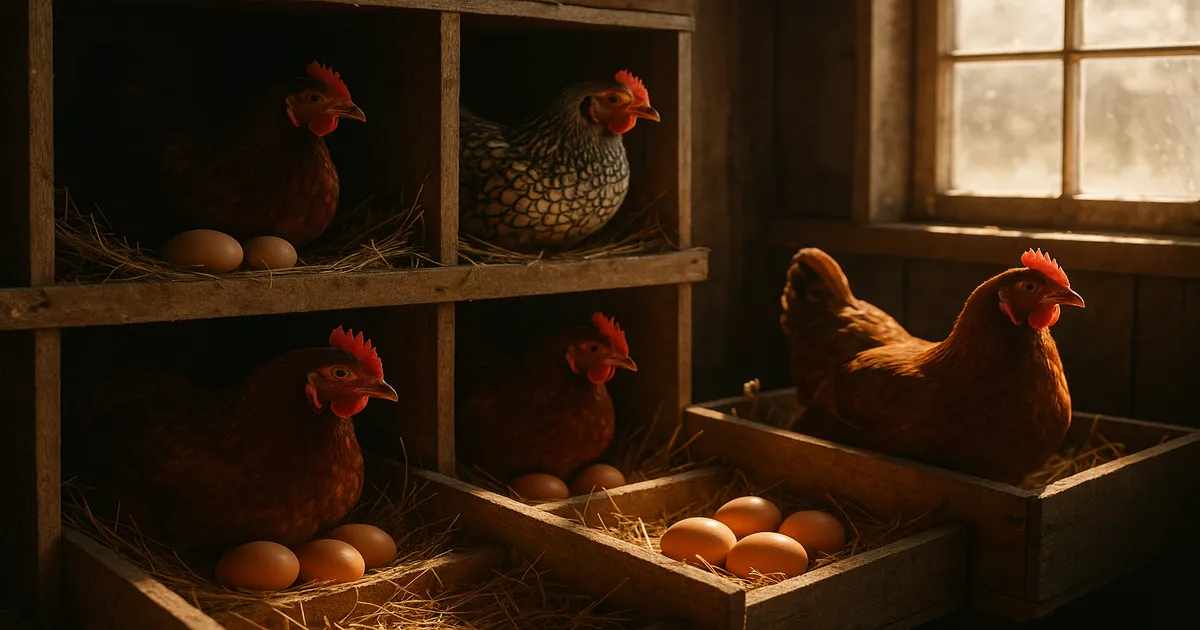
A healthy Easter Egger hen lays approximately 4 eggs per week, or 200–280 eggs per year. That puts them solidly in the “good layer” category — not as prolific as a production Leghorn, but consistent and reliable. Production peaks in the first two years and declines roughly 10–15% annually after that.
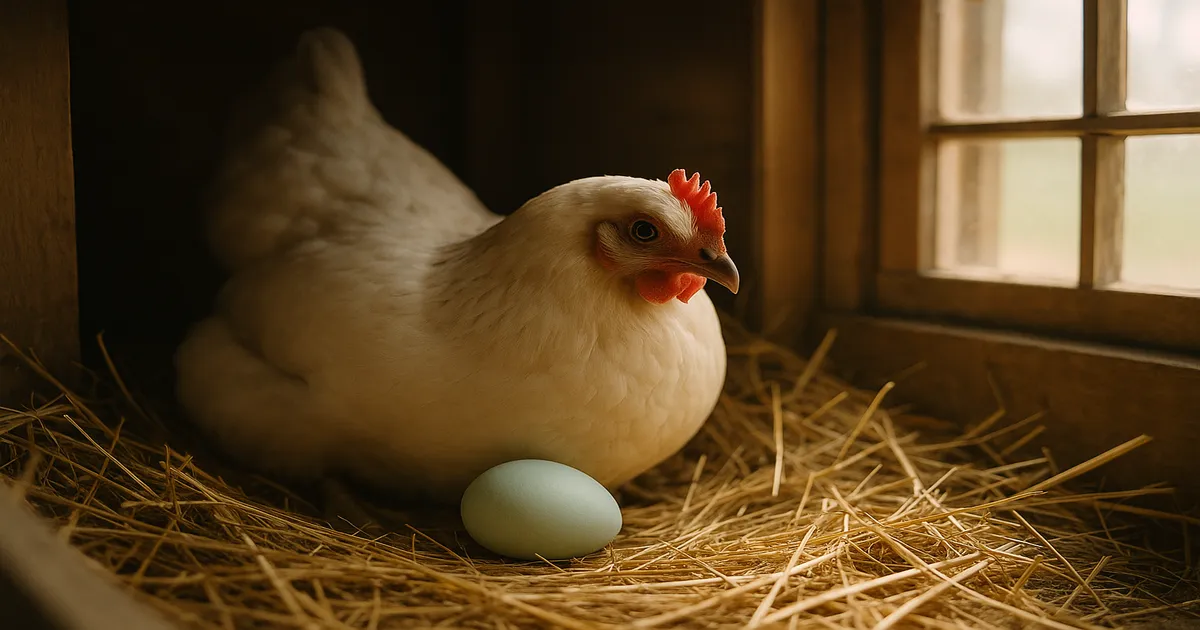
Egg color runs from sky blue and turquoise to seafoam green and olive, with occasional pink or cream from birds where the blue gene is partially masked by brown-tinting genes. Each hen lays one color consistently throughout her life, so if you want a colorful egg basket, get several hens.
Most Easter Eggers begin laying between 18–24 weeks (about 4.5–6 months). Birds with heavier-breed genetics may hold out until 26–28 weeks. First eggs are often small and misshapen — that’s completely normal and corrects within a few weeks.
When days drop below 14 hours of light (typically October through February in most of North America), hens naturally slow down or stop laying. A supplemental light on a timer set to maintain 14–16 hours of light will keep most hens producing through winter . Expect a fall molt as well — hens drop their feathers and halt production for 6–12 weeks while regrowing their coat. It looks alarming the first time. It’s completely normal.
Housing, Feeding, and Health Basics
Coop and Run Space
Plan for at least 4 sq ft per bird inside the coop and 10 sq ft per bird in the run. More is always better — crowding drives pecking, stress, and disease. Easter Eggers’ pea combs are a genuine cold-climate advantage; unlike large single combs, pea combs have minimal surface area and rarely get frostbitten.
Use ½-inch hardware cloth on all openings — not chicken wire, which raccoons can reach through and tear. Bury hardware cloth in a 12-inch apron along the run’s perimeter to stop diggers, and use carabiner clips or padlocks on all doors.
Feeding and Nutrition
Switch from chick starter to a 16% protein layer pellet or crumble at 18–20 weeks or at first egg, whichever comes first. During the fall molt, bump protein to 18–20% by switching to an all-flock feed and offering oyster shell on the side (Purina Layena Plus Omega-3).
Keep crushed oyster shell available free-choice in a separate container at all times — hens self-regulate and take what they need. Don’t mix it directly into feed if you have roosters or non-laying birds; excess calcium damages kidneys.
Keep treats to 10% or less of daily diet. Good options include leafy greens, berries, watermelon, cooked squash, and mealworms (limit to about 1 tablespoon per bird per day). Hard no’s: avocado (contains persin, which is toxic to chickens), onions, chocolate, raw dried beans, and anything moldy or heavily salted.
Common Health Issues
Marek’s disease is a highly contagious herpesvirus that causes tumors, paralysis, and death in young birds. Always request vaccination when ordering from a hatchery — it costs $0.15–$0.25 per chick and there’s no treatment once a bird is infected.
Coccidiosis is the most common killer of young chicks, typically striking between 3–6 weeks of age. Watch for bloody or watery droppings, lethargy, and failure to grow. Treat immediately with Amprolium (Corid) at 1.5 teaspoons of 9.6% liquid per gallon of drinking water for 5–7 days .
Check birds regularly around the vent area for mites and lice. Treat with permethrin-based poultry dust or spray, and treat the coop itself at the same time. A dedicated dust bath area with fine dirt or wood ash helps birds manage external parasites naturally .
Any new bird — regardless of source — should be quarantined for 30 days before joining your existing flock. This single practice prevents the majority of disease introductions.
Frequently Asked Questions
How do you get an Easter Egger chicken if you’re a complete beginner?
Start with a reputable online hatchery and order sexed pullets. Meyer Hatchery and Cackle Hatchery both have low minimum orders and strong customer support. You’ll receive day-old chicks with a clear care sheet, and sexed birds eliminate the rooster problem before it starts.
Are Easter Eggers the same as Ameraucanas?
No. True Ameraucanas are an APA-recognized breed with eight defined color varieties and strict breed standards. Easter Eggers are hybrids that carry the blue-egg gene but don’t conform to any breed standard. The confusion is widespread because many hatcheries and farm stores sell Easter Eggers labeled as “Ameraucanas” — if the price is low and the birds come in mixed colors, they’re almost certainly Easter Eggers.
What color eggs do Easter Egger chickens lay?
Easter Eggers lay eggs across the blue-to-green spectrum — sky blue, turquoise, seafoam green, and olive are most common, with occasional pink or cream. Each hen lays one consistent color throughout her life. The only reliable way to know what color you’ll get is to see eggs from that individual hen or her mother.
Can you buy Easter Egger chickens at Tractor Supply?
Yes. Tractor Supply Co. typically stocks Easter Egger chicks during their seasonal Chick Days events, which run roughly February through June. They’re often sold under the labels “Ameraucana” or “Araucana,” so don’t be surprised by the naming. Availability varies by location — call ahead or check the Tractor Supply website to see what’s coming to your store.
How do you tell if an Easter Egger chick will lay blue or green eggs?
You can’t tell for certain from a chick’s appearance alone. Slate or greenish leg color is a rough indicator of stronger Ameraucana genetics and potentially bluer eggs, but it’s not reliable. The only definitive way to know is to see eggs from that specific hen or her mother. If egg color matters to you, buy a started pullet or laying hen from a local breeder who can show you actual eggs.