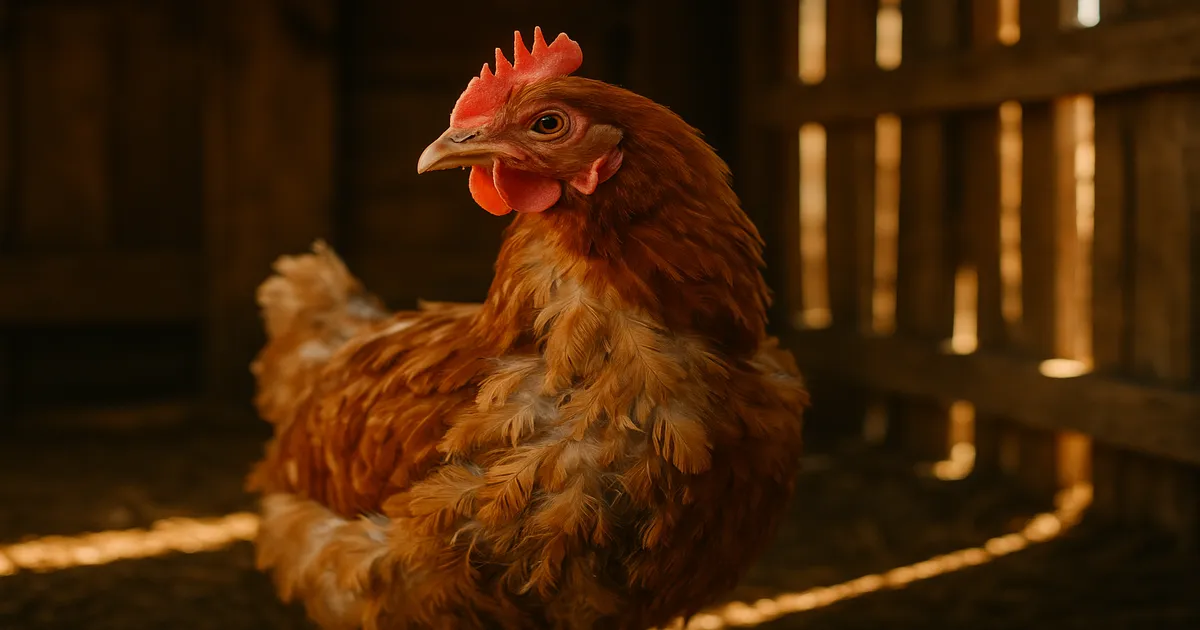
Quick Answer: Yes, chickens can appear to change feather color — but true mid-life color change is rare. Feathers are dead structures once fully grown, like human hair, and can’t change from within. Real color shifts happen at the next molt. In the meantime, sun bleaching, nutritional deficiencies, parasites, and hormonal changes can all alter how your flock looks between molts.
If you’ve noticed your Black Australorp looks more brown than black by late summer, or your Buff Orpington seems almost white compared to her hatchery photo, you’re not imagining things. Can chickens change feather color? The short answer is yes — but the why matters a lot. Some causes are perfectly normal; others are worth investigating.
Here’s a quick overview of the six main reasons feather color shifts:
- Annual molt — new feathers may come in slightly different shades
- Sun bleaching (photooxidation) — UV light degrades pigment in dark feathers
- Nutritional deficiencies — low protein or missing amino acids dull pigmentation
- Age-related changes — progressive lightening, especially around the head and neck
- Stress-induced partial molt — sudden stress triggers feather loss and regrowth
- Hormonal shifts — ovarian dysfunction can cause hen feathering reversal
The Science of Feather Color in Chickens
How Feather Pigments Work
Two primary pigments control virtually all feather color in chickens. Eumelanin produces dark tones — black, dark brown, and blue-gray. Phaeomelanin handles the warm side of the spectrum: red, gold, buff, and chestnut. Most breeds express a combination of both, which is why small nutritional or environmental changes can visibly shift the balance.
These pigments are deposited into the feather during growth. Once the feather is fully formed, it’s locked in — no new pigment can enter.
Structural Color and Iridescence
Some of the most striking color effects in chickens have nothing to do with pigment. The gorgeous green sheen on a Black Australorp’s feathers is structural color — caused by light refracting off microscopic structures within the feather barbules, the same physics that makes a soap bubble iridescent. Because the effect depends on the angle of light, these birds can appear to shift from black to green to purple depending on how you look at them.
The Genetics Behind Feather Color
Feather color genetics are genuinely complex — researchers have identified 12 or more gene loci involved. The three most relevant for backyard keepers:
- Extended Black (E locus) — controls whether eumelanin spreads across the entire feather or stays restricted
- Columbian restriction gene — limits black pigment to specific areas, producing the neck and tail pattern in Columbian Wyandottes and Light Brahmas
- Dominant White gene — suppresses pigment expression almost entirely
Color is genetically programmed, but environment and nutrition determine how well that program expresses itself.
7 Reasons Chickens Appear to Change Feather Color
1. Annual Molt
Every fall — typically September through November in the Northern Hemisphere — chickens shed and replace their feathers. This is by far the most common reason keepers notice a color change. New feathers can come in slightly different shades depending on the bird’s age, nutritional status during regrowth, and natural variation in pigment expression from one feather generation to the next.
2. Sun Bleaching (Photooxidation)
UV light breaks down both eumelanin and phaeomelanin over time — a process called photooxidation. Dark breeds are the most visibly affected. Black Australorps can fade to a muddy brown by late summer. Barred Plymouth Rocks may lose the crisp contrast in their barring. Rhode Island Reds shift from deep mahogany to a lighter rust-red. Buff Orpingtons kept outdoors year-round often look significantly paler than their hatchery photos by August. None of this is harmful — it reverses at the next molt.
3. Nutritional Deficiencies
Feathers are roughly 85% protein (keratin), and growing them is metabolically expensive. When protein drops below adequate levels during molt, new feathers come in visibly duller, more brittle, and less richly pigmented. Specific deficiencies make things worse: riboflavin (B2) deficiency produces pale, washed-out coloration, while low lysine and methionine directly impair pigment deposition in growing feathers.
4. Age-Related Lightening
Hens past three or four years old often show gradual lightening, particularly around the head and neck — similar to graying in mammals. It’s a natural reduction in pigment-producing activity as the bird ages, and it tends to become more noticeable with each successive molt. Not a health problem.
5. Stress-Induced Partial Molt
A significant stressor — a predator attack, an extreme temperature swing, a sudden feed change — can trigger a partial molt outside the normal annual cycle. Because the stress event may have also disrupted nutrition or hormones, those new feathers sometimes come in a slightly different shade. If you notice patches of new feathers appearing at an unusual time of year, think back to what your flock experienced in the weeks prior.
6. Hormonal Shifts and Hen Feathering Reversal
This one surprises many keepers. Hens with ovarian dysfunction or ovarian tumors can experience hen feathering reversal — they begin developing rooster-like plumage, including color changes toward male coloration. It’s not common, but it’s well documented. If a hen is suddenly developing pointed hackle feathers or showing male-pattern coloring, a vet check is warranted.
7. Genetic Mosaicism and Gynandromorphism
Gynandromorphism — where a bird is genetically half male and half female — is extremely rare but produces one of the most striking appearances in poultry: a bird literally split down the middle, one side showing hen plumage and the other showing rooster plumage. Affected birds are typically sterile. If you ever see a bird with dramatically asymmetrical coloring that doesn’t fit any other explanation, this is worth looking into.
Breed-Specific Feather Color Changes
Breeds Most Prone to Sun Fading
Buff Orpingtons and Rhode Island Reds are the most notorious sun-faders in the backyard flock. Both breeds carry phaeomelanin-dominant coloring that degrades visibly with prolonged UV exposure. Providing afternoon shade and dust bathing areas helps slow the process, though it won’t stop it entirely. Barred Plymouth Rocks lose barring sharpness, and Black Australorps shift toward brown — both recover beautifully after fall molt.
Breeds With Naturally Variable Plumage
Easter Eggers and Olive Eggers are notoriously unpredictable in plumage color — offspring from the same parents can look completely different from each other due to their mixed genetics. Silkies present a unique case: their feathers lack the barbicels that lock feather fibers together, so they appear to shift color dramatically when wet, in different lighting, or after handling. Columbian Wyandottes can show inconsistent lacing expression after each molt, with some birds showing more or less black lacing than before.
Breed Color Reference
| Breed | Origin | Primary Color Mechanism |
|---|---|---|
| Rhode Island Red | USA (1890s) | Phaeomelanin-dominant |
| Black Australorp | Australia | Eumelanin + structural iridescence |
| Buff Orpington | England (1886) | Dilute phaeomelanin (buff dilution gene) |
| Barred Plymouth Rock | USA (1869) | Cuckoo/barring gene (B locus) |
| Easter Egger | Mixed | Polygenic, highly variable |
| Silkie | China/Asia | Fibromelanosis gene (Fm) — dark skin and bones |
| Sebright Bantam | England (1800s) | Lacing pattern, hen-feathered gene |
Nutrition and Feather Color
Protein During Molt
During molt, your hens are rebuilding their entire coat from scratch. Standard 16% layer feed isn’t enough for most birds at this stage — bump protein to 18–20% for the duration of the molt. A flock-wide dip in plumage color and quality the following spring is often traceable directly to under-nourishing birds through the previous fall molt. Switching to a higher-protein grower or flock raiser feed during this window is one of the simplest upgrades you can make.
Key Nutrients That Affect Feather Pigmentation
- Lysine and methionine — essential amino acids that directly support pigment deposition
- Riboflavin (B2) — deficiency causes pale, washed-out feather color
- Omega-3 fatty acids — improve feather gloss and structural integrity; found in flaxseed, fish meal, and black soldier fly larvae (BSFL)
High-Protein Treats to Support Vibrant Plumage
These are worth keeping on hand during molt season:
- Black soldier fly larvae (BSFL): 40–45% protein with an excellent omega-3 profile — one of the best molt-season supplements available
- Dried mealworms: 50–55% protein, highly palatable; limit to 10% of total diet
- Sunflower seeds (with shell): 16–17% protein plus healthy fats that support feather sheen
What Dulls Feather Color
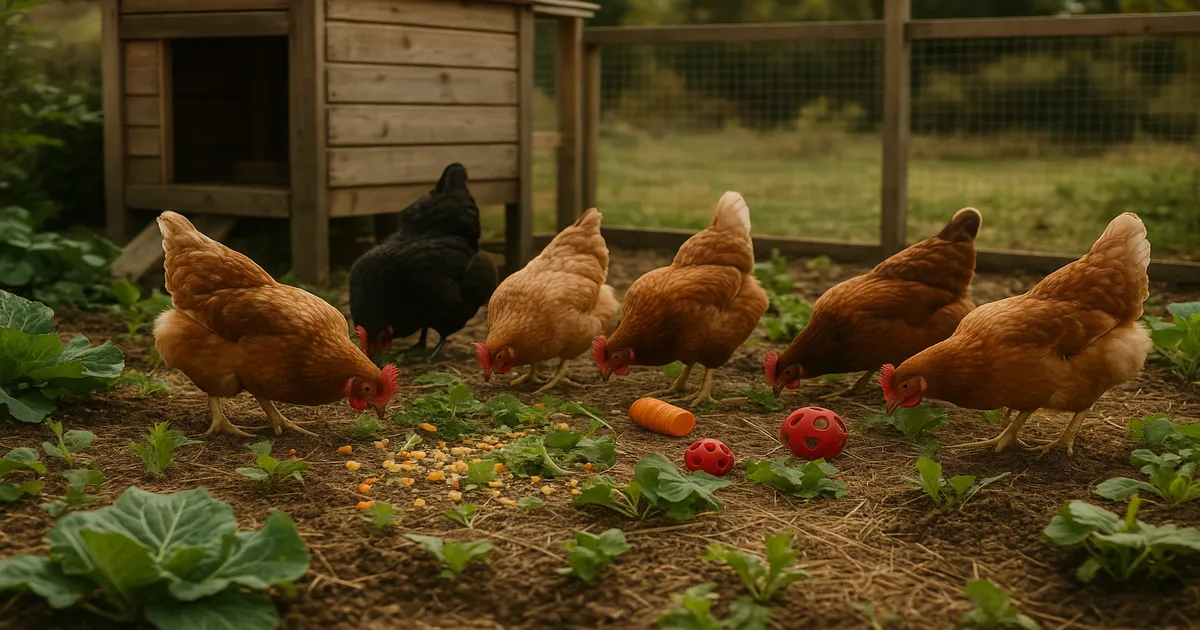
Scratch grains are the biggest offender. They’re high in carbohydrates and low in protein — fine as an occasional treat, genuinely problematic when they become a significant part of the diet. Stick to the 10% treat rule: treats of any kind shouldn’t exceed 10% of your flock’s total daily intake. Excess scratch dilutes the diet precisely when birds need protein most.
Coop Conditions and Feather Appearance
Space, Pecking, and Plumage Damage
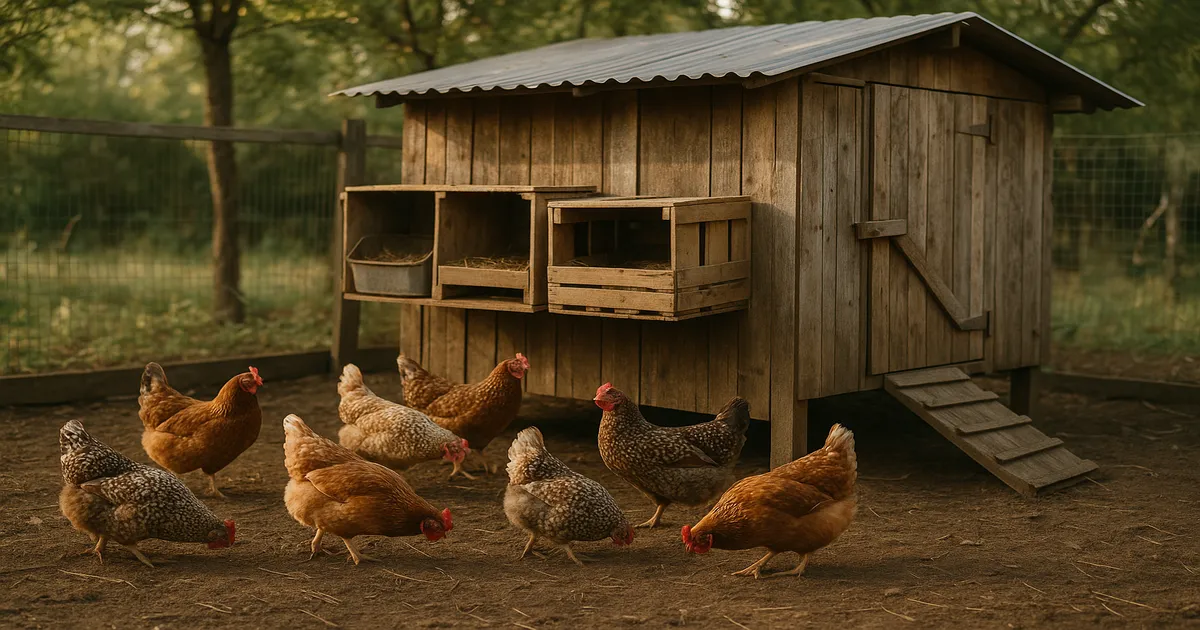
Minimum space requirements exist for good reason. Plan for at least 4 sq ft per bird inside the coop and 10 sq ft per bird in the run — more if your climate keeps birds confined for long stretches. Overcrowded birds get bored and stressed, and feather pecking is often the result. Damaged feathers don’t just look bad; broken shafts and missing patches can expose skin and invite infection.
Ventilation and Ammonia
Poor ventilation is one of the most underappreciated threats to feather quality. Ammonia buildup — which happens when moisture and manure accumulate without adequate airflow — actively degrades feather structure, dulling color and weakening the shaft. Aim for at least 1 sq ft of ventilation per 10 sq ft of coop floor space, positioned high on the walls or at the roof peak to exhaust moisture without creating drafts at bird level.
Bedding, Roost Bars, and Everyday Wear
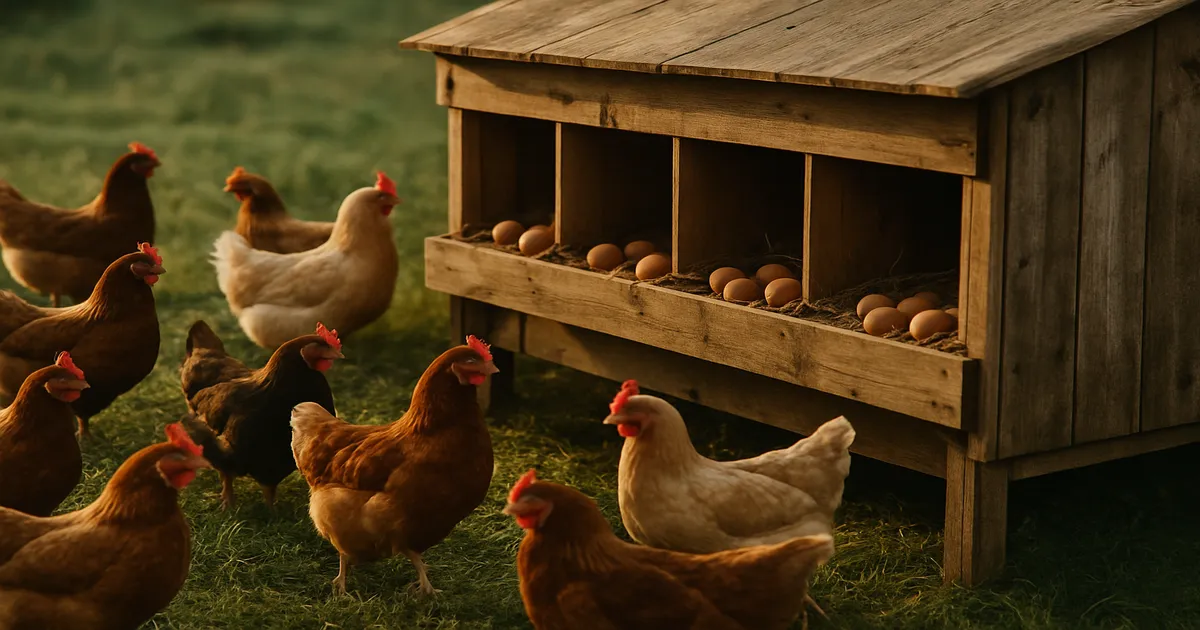
Nesting box bedding that isn’t changed regularly leads to soiled feathers — particularly on the vent area and breast — that appear stained or discolored. Keep nesting box bedding at 3–4 inches deep and replace it when it becomes soiled or compacted. On the roost, rough or splintered bars cause feather breakage night after night. A 2×4 laid flat is ideal, giving birds a broad surface to grip and cover their feet in cold weather. Sand down splinters regularly — it’s a small thing that makes a real difference in plumage condition over a full season.
Health Issues That Cause Feather Color Changes
External Parasites: Mites and Lice
Northern Fowl Mites (Ornithonyssus sylviarum) are probably the most common cause of sudden, dramatic plumage deterioration. They live on the bird full-time, and a heavy infestation produces a characteristic black “pepper” appearance at the feather base near the vent. Beyond the cosmetic damage, mites cause anemia, weight loss, and significantly dulled plumage across the whole bird. Check your flock every two to four weeks — part the feathers near the vent and look closely.
Treatment options:
- Permethrin dust or spray — effective and widely available; keep cats away during treatment, as permethrin is toxic to felines
- Spinosad-based spray (Elector PSP) — particularly effective for mites in coop cracks and on birds
Chicken lice cause feather shaft damage and clumping, with nits visible as white deposits at the feather base. Treatment is the same as for mites.
Marek’s Disease and Feather Follicle Damage
Marek’s Disease — caused by a highly contagious herpesvirus spread through feather dander — can damage feather follicles directly, leading to patchy, discolored regrowth that doesn’t match the bird’s normal plumage. If you’re seeing irregular feather patches alongside leg weakness, weight loss, or a grayish iris, Marek’s should be on your diagnostic list. Vaccination at hatch is standard prevention; it doesn’t prevent infection but prevents tumor formation and clinical disease.
Coccidiosis and Chronic Poor Feather Condition
Acute coccidiosis is usually obvious — bloody stool, lethargy, rapid decline. But chronic, low-grade coccidiosis is subtler and often shows up as persistently poor feather condition and color across the flock. If your birds’ plumage looks consistently dull despite good nutrition and clean housing, coccidiosis is worth ruling out. Treatment with Amprolium (Corid) is effective and straightforward.
When Color Change Is a Warning Sign
Any sudden, unexplained feather color change — especially if it’s accompanied by lethargy, weight loss, reduced egg production, or changes in droppings — deserves investigation rather than a shrug. Feather condition is one of the most visible indicators of overall flock health. Treat it as a diagnostic prompt, not a cosmetic concern.
Seasonal Feather Changes: What to Expect Year-Round
The Annual Molt Cycle
Fall molt is the primary reset point for your flock’s plumage. Most hens begin losing feathers in September and finish regrowing by November or December, though timing varies by individual bird and breed. Some hens molt fast and hard — nearly naked for a few weeks — while others shed gradually and barely look different. New feathers may come in slightly different shades than the previous set, particularly if the bird’s nutritional status or age has changed. Egg production typically drops significantly during molt; this is normal, as the bird’s energy is going into feather production rather than eggs.
Post-Brood Molt
Broody hens spend weeks pressed against nest box material, barely moving, often not eating or drinking as much as they should. By the time they break from the nest, their feathers are frequently faded, worn, and broken. The post-brood molt that follows often produces noticeably fresher plumage — sometimes in a slightly different tone, particularly if the hen was nutritionally depleted during her sit. This is one of the most common reasons keepers contact us convinced their hen has “changed color.”
Seasonal Management at a Glance
- Fall: Boost protein to 18–20% as molt begins; supplement with BSFL or mealworms
- Summer: Provide afternoon shade and accessible dust bathing areas to slow UV degradation on dark feathers
- Winter: Prioritize ventilation over insulation — moisture is a greater threat than cold for feather quality
- Year-round: Inspect for mites and lice every two to four weeks; clean nesting boxes regularly; maintain adequate space to prevent feather pecking
Frequently Asked Questions
Can chickens change feather color after molting?
Yes, and it’s more common than most keepers expect. New feathers can come in slightly different shades because pigment deposition depends on nutritional status, age, and hormonal conditions at the time of growth — all of which may have shifted since the previous molt. This is especially noticeable in older hens and in phaeomelanin-dominant breeds like Rhode Island Reds and Buff Orpingtons. If the change is dramatic or accompanied by health symptoms, investigate further.
Can a hen’s feathers turn rooster colors?
Yes, in rare cases. Hens with ovarian dysfunction or ovarian tumors can develop male-pattern plumage — a condition called hen feathering reversal. The affected hen may grow pointed hackle feathers and show color shifts toward the male coloration of her breed. It’s uncommon but well documented, and a vet visit is the right next step if you suspect it.
How long does it take for chickens to regrow feathers after molt?
Most hens complete a full molt cycle in 8–12 weeks, though this varies considerably. Fast molters drop most of their feathers quickly and regrow them in 6–8 weeks. Slow molters shed gradually over 4–6 months and often look only slightly scruffy throughout. Younger hens tend to molt faster and more completely than older birds.
Does sun exposure permanently change chicken feather color?
No. Sun bleaching (photooxidation) is temporary — UV light degrades pigment in existing feathers, but the follicle itself is unaffected. When the bird molts and grows new feathers, the original color returns, provided nutrition is adequate during regrowth. Providing afternoon shade during peak summer months slows the fading process on dark-feathered breeds.
Is feather color change ever a sign of serious illness?
It can be. Sudden or patchy color changes accompanied by lethargy, weight loss, reduced egg production, or abnormal droppings are worth taking seriously. Marek’s Disease, heavy mite infestations, and chronic coccidiosis can all manifest as poor or altered plumage. When in doubt, consult a poultry-savvy vet rather than waiting to see if things improve on their own.